

HOD Positions Available

| Home | Dut map | Handbook | Community Health Centre | Homoeopathic Association of South Africa | Student Support | Staff |
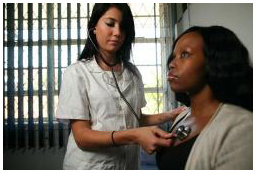
The Department of Homoeopathy offers consultation and treatment services for a diverse range of illnesses through their on-campus Homoeopathic Community Health Centre . The clinic is open to both students and the general public, and is currently operated by the administration staff members and the final (5th year) homoeopathic Master’s students. Patients are free to book consultations with any of these students who work at the clinic on a weekly rotational system.
Please note that all COVID 19 protocol apply. Patients bookings are staggered to ensure only a limited amount of people are in the building. Social distancing is practiced and all staff, students and patients wear all necessary personal and protective wear to ensure safety.
You may book an appointment via email with Mrs Gugulethu Mkhwanazi GugulethuM@dut.ac.za or call 031 373 2041.
Emailed bookings are preferred.
What can a homoeopathic practitioner treat?
What does a homoeopathic consultation at DUT involve?
Fees
| General public: | First consultation (90 min)Follow up consultations (45 minutes – 1 hour) | R200 (including medication)R150 (including medication) |
| All DUT Students (on presentation of student cards): |
Free consultation and medication | |
| Medical Aid | Fees charged are within the prescribed medical aid rates however the clinic is not contracted into medical aid; thus patients are required to settle their bill and then claim back from medical aid. | |
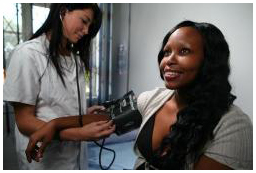 A registered homoeopathic doctor is able to treat a very wide range of health problems, from minor acute conditions like colds and flu to chronic diseases like arthritis and eczema. Most of the common conditions which are treated by general practitioners can be treated by homoeopathic doctors with the exception of conditions requiring surgery.The major difference between a general medical practitioner and a homoeopathic practitioner is the type of medicine prescribed; as opposed to orthodox medicines, homoeopathic practitioners prescribe only homoeopathic medicines (natural remedies made from plant, mineral or animal sources).
The following are some of the conditions treated by homoeopathic doctors:
- Allergic diseases – e.g. eczema, asthma, hay fever;
- Emotional problems – e.g. grief, anxiety, depression, stress;
- Digestive problems – e.g. constipation, diarrhoea, irritable bowel syndrome, cramps;
- Skin problems – e.g. acne, rashes, boils;
- Circulation problems – e.g. blood pressure, cholesterol, cramps;
- Hormonal problems – e.g. painful periods, irregular menstruation, PMS, menopause;
- Urinary problems – e.g. bladder infections, kidney problems, prostate disease;
- Joint problems – e.g. arthritis, joint pains, injuries;
- Other: e.g. migraines and headaches, sleeplessness.
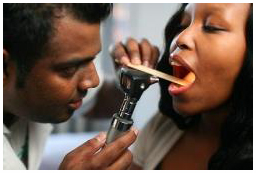 A 5th year homoeopathic student in their final year of academic studies will consult with you under the supervision of an experienced, fully qualified homoeopathic practitioner. They will begin by taking a detailed medical case history surrounding your complaint and will then discuss with you, all of the relevant treatment options that are available for you. This takes approximately 45-60 minutes to complete. Following this, a thorough physical examination – including blood pressure readings, height and weight, breathing, heart and abdomen and any other areas which you may be experiencing health problems will be assessed.Once the examination is complete, the homoeopathic student will then select the most appropriate homoeopathic medicine for you under the guidance of the qualified homoeopathic doctor, and, if necessary, request additional tests such as blood tests, x-rays etc. Your prescribed medicine will then be dispensed from our on-campus clinic dispensary and you will be carefully instructed on how to administer the medicine during your treatment. Patients are also usually advised to come back for a check-up about three weeks later depending on their particular health problem and needs. In some cases, this follow up period may vary. All follow up appointments are shortened in duration and take about 30 minutes to complete.
Contact Us
Tel: 031 373 2041/2513
Email: sharonb@dut.ac.za
Address: 1st Floor New Clinic Building
Ritson Campus
Durban University of Technology
Corner Steve Biko and Ritson Roads
Berea, Durban
Access and secure off street parking via Gate 6 in Steve Biko Road. Lift provided to access 1st floor.
Operating Times: Monday, Wednesday & Friday 08:30 – 12:30
Tuesdays & Thursdays 13:00 – 17:00
We are closed on public holidays.Maps
Steve Biko Campus Map / Ritson Campus Map