RESEARCH
ADVANCEMENT

SDG 5 Gender equality


2026

DUT GENDER FORUM HOSTS WORKSHOP ON GENDER EQUALITY AND EQUITY IN THE WORKPLACE


The Durban University of Technology (DUT) Gender Forum hosted a workshop on Gender Equality and Equity in the Workplace on Thursday, 29 October 2026, at the DUT Hotel School Conference Centre, providing a platform for discussions on gender equality, equity and the workplace structures that influence employees’ experiences.


The workshop explored the distinction between gender equality and equity, highlighting the importance of addressing institutional systems, norms and structures that may perpetuate unequal opportunities. Participants were encouraged to reflect on how institutions can create fairer working environments where everyone has equal opportunities to participate, contribute and progress.


“We want to confront institutional barriers, discrimination, and gender-based violence while strengthening measures for safety, trust, and accountability. We also want to align our daily operational practices with essential legislative pillars, including the Constitution, the Employment Equity Act and the Promotion of Equality and Prevention of Unfair Discrimination Act. Our call to action is for real sustainable change, which requires candid dialogue,” said Mr Deon Chetty, Employment Equity and Skills Development Coordinator of the Gender Forum.


Dr Nkanyiso Madlala, Senior Clinical Psychologist and Employee Wellbeing Practitioner at Discovery Health, led the introductory session and facilitated subsequent discussions throughout the day.


Dr Madlala emphasised the importance of participants taking responsibility for driving change within their professional environments. He also highlighted that employee wellbeing is a shared responsibility between employers and employees.


“Ensuring equality, diversity, inclusion, and mental wellbeing is a shared responsibility. From those of you who have attended this workshop today, what are you going to do differently going forward to ensure that what we discussed in this workshop is operationalised in this institution?” he asked.


The discussions reinforced the need for sustained engagement on gender-related challenges in the workplace, particularly the importance of translating awareness and dialogue into meaningful institutional action.


The workshop concluded with closing remarks by Mr Chetty, followed by a vote of thanks delivered by Ms Lindiwe Mtsweni, Assistant Treasurer of the DUT Gender Forum.


Through initiatives such as this workshop, the DUT Gender Forum continues to create opportunities for dialogue, reflection and collective action towards addressing systemic barriers and building more equitable and inclusive working environments.


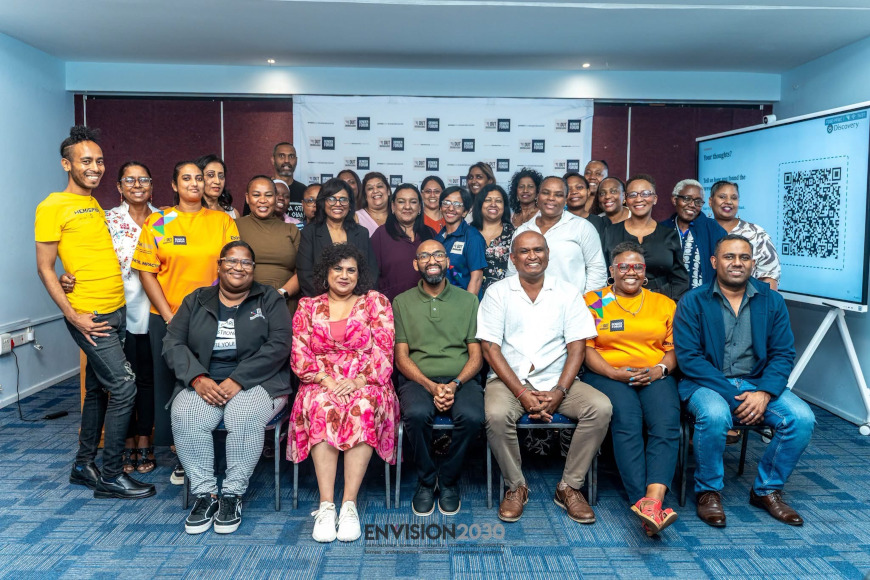
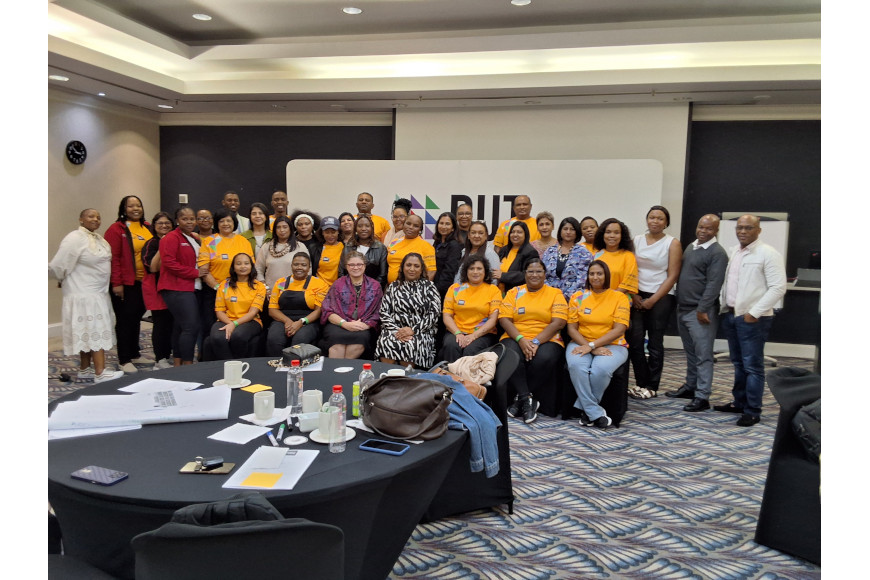
Pictured: DUT Gender Forum members


Photographer: S’phamandla Shabangu

Sompisi Ntuli

https://www.dut.ac.za/dut-gender-forum-hosts-workshop-on-gender-equality-and-equity-in-the-workplace-2/


DUT GENDER FORUM CELEBRATES WOMEN’S MONTH WITH A CALL TO THRIVE TOGETHER


The Durban University of Technology (DUT) Gender Forum marked Women’s Month with a strong focus on wellness, resilience, inclusion and belonging during its 2026 celebration held at Coastlands Musgrave on 21 August 2026.


Held under the theme “Thrive Together 2026: Wellness, Resilience and Inclusion for All”, the event brought together DUT staff, leaders, wellness professionals and stakeholders for a day of reflection, dialogue, learning and connection.


The celebration highlighted the importance of creating a university environment where people feel supported, valued and able to contribute meaningfully, while recognising that personal wellbeing is an important part of building resilient individuals and communities.


Programme Director and Gender Forum Deputy Chairperson Ms Ronelle Lyson opened the programme by encouraging attendees to step away from the pressures of emails, deadlines and digital distractions and make time for their own wellbeing.


She reminded participants that self-care is not a luxury, but an important part of maintaining resilience and being able to support others.


The official welcome was delivered by Gender Forum Chairperson Dr Rosaline Govender, who highlighted the importance of creating safe and inclusive spaces where everyone can thrive. Dr Navitha Ramroop, Deputy Chairperson of the Forum, further reflected on the importance of community, belonging and collective responsibility in strengthening resilience across the university.


Mr Zwakele Ngubane, Director of Advancement and Alumni Relations, reflected on the significance of Women’s Month within the context of DUT’s strategic vision. He highlighted the importance of empowerment, equality and inclusion in creating an environment that enables members of the university community to succeed and contribute to institutional excellence.


Employee wellness was a key focus of the programme, with corporate psychologist Mrs Karin Young facilitating a session on mental health awareness, stress management and self-care. She provided practical strategies to help participants manage everyday pressures and make their mental and emotional wellbeing a priority.


The session also created an opportunity for participants to engage openly on workplace challenges and consider practical ways of building healthier approaches to personal and professional wellbeing.


The keynote address was delivered by Ms Helen Mogorosi, Director of Organisational Development and Talent Management at DUT. Her presentation, “Thriving Together: Building a Resilient and Inclusive DUT Community”, focused on the role of people-centred organisational cultures in creating workplaces where individuals and teams feel valued, supported and empowered.


Drawing on her extensive experience in organisational development and human capital management, Ms Mogorosi emphasised the importance of strengthening institutional capability while creating an environment in which people can flourish.


The theme of collective action continued through the “Thrive Together Challenge”, facilitated by Dr Govender. Through collaborative activities, participants explored the value of teamwork, creativity and mutual support in building stronger and more inclusive communities.


A fitness and wellness session led by DUT alumna, Lotus FM presenter and fitness instructor Mrs Bhavna Govender added an interactive dimension to the programme. Through movement and music, participants were encouraged to consider physical activity as an important part of overall wellbeing.


The afternoon programme featured a panel discussion titled “Wellness, Inclusion and Shared Responsibility at DUT”, facilitated by Dr Rekha Maniram.


The panel, comprising Dr Fathima Razack, Ms Palesa Matabane, Dr Sasi Gangiah, Ms Pretty Zulu and Dr Cleopatra Matli, explored issues relating to workplace wellness, personal growth, inclusion, leadership, academic excellence and community engagement.


Their discussion reinforced the importance of shared responsibility in creating an environment where individuals can feel a sense of belonging while contributing to the broader university community.


Participants were also invited to reflect on their own commitments through the “My Commitment to Thrive” Vision Board Activity, facilitated by Dr Govender and Ms Lyson. The activity encouraged attendees to identify practical commitments that could strengthen their own wellbeing while contributing positively to those around them.


The event concluded with closing reflections from Mrs Amanda Mkhwanazi and a vote of thanks from Ms Nondumiso Khuzwayo, Gender Forum Membership and Equity Coordinator. Appreciation was extended to the organising team, speakers, panellists, sponsors and attendees for contributing to the success of the celebration.


Throughout the day, one message remained clear: building a resilient and inclusive DUT community requires both individual action and collective responsibility. Wellness is not only about how individuals care for themselves, but also about how institutions and colleagues create environments where people feel supported, respected and able to thrive.


The DUT Gender Forum’s Women’s Month celebration therefore served as more than a commemoration. It provided a platform to strengthen dialogue around wellbeing, inclusion and belonging while encouraging members of the DUT community to take meaningful steps towards creating a healthier and more supportive university environment.


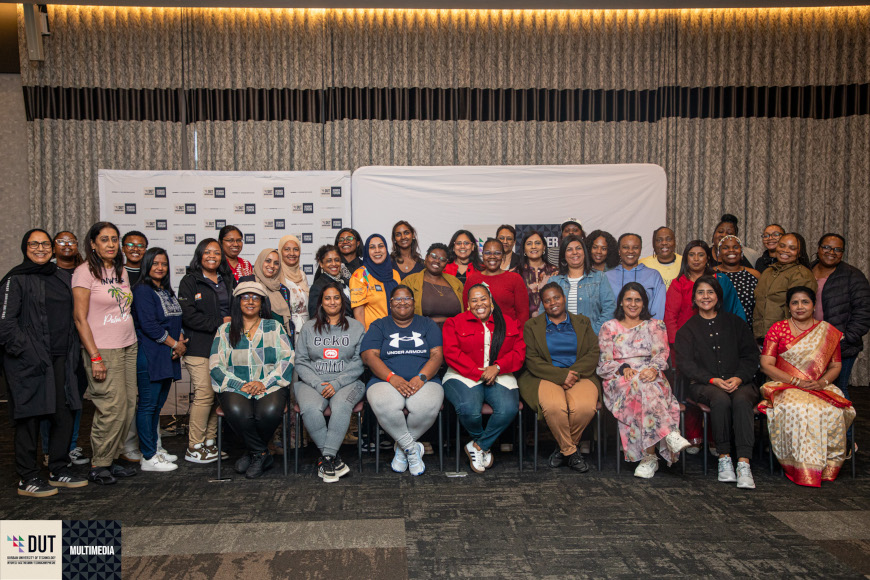
Pictured: DUT Gender Forum members at the Women’s Month celebration.


Photographer: DUT Multimedia

Ronelle Lyson


INTERNATIONAL TECH DUT DAY EMPOWERING THE NEXT GENERATION IN INNOVATION AND LEADERSHIP 


The International Education and Partnerships Directorate (IEP) hosted a thought-provoking and empowering International Tech DUT Day on Thursday, 19 February 2026, at the Durban University of Technology (DUT) Ritson Campus Hotel School.


TechWomen is an impactful global initiative aimed at inspiring young women in STEM fields, innovative research, and leadership roles, while fostering meaningful international partnerships. The mentorship and exchange programme, creates platforms where women can connect, collaborate, and lead in spaces traditionally underrepresented by women.


Prior to the official opening of the event, guests enjoyed a campus tour showcasing DUT laboratory facilities, including the Smart Robotics lab of which is one of the most advanced labs in Africa. The tour was led by Ugeshni Moodley and Fannie Ndlovu from the Faculty of Accounting and Informatics who provided valuable insight into the university’s technological capabilities and research environment.


Delivering the official welcome, Dr Lavern Samuels, Director of the IEP, expressed his appreciation to all guests and dignitaries for their presence and commitment to advancing such transformative initiatives. In his address, he emphasised the importance of mentorship and networking from a young age, noting that these elements are essential for personal growth and unlocking new opportunities. He also highlighted the significance of internationalisation in driving academic excellence and strengthening global partnerships.


“If you want to go fast, go alone. But if you want to go far, go together. Therefore, I invite you all to come together with us on this journey,” he said.


Joy Bill, a 2022 TechWomen Fellow from Kenya, provided an overview of the programme. She explained that TechWomen is a global initiative connecting participants from over 23 countries across Africa, Asia, the Middle East, and Europe.


“It is about strengthening cross-border connections, sharing expertise, and building partnerships that continue to empower both students and professionals. It is a powerful platform to engage with mentors and industry leaders for career growth,” she shared.


The programme featured dynamic thematic discussions. Starting off with Lightning Talks, the first session, Building Your Personal Brand, featured Dr Meg Desko, a TechWomen mentor in Commerce; Thembelihle Mahlangu, a DUT Radiography student; and  Buyisiwe Kubheke, a DUT Textile Science and Apparel Technology student.


The second session, Navigating AI and Security, featured Twinee Madan, a TechWomen mentor from Tuskira, alongside DUT Information Technology students Nomfundo Manyoni and Asande Msiya, DUT Information Technology Student.


The final Lightning Talk session titled: Taking Risks and Overcoming Barriers, included  Jennifer Humphrey, a TechWomen mentor from SSB; Simphiwe Zakwe, a DUT Nursing student; and Nonhle Ndlovu, a DUT Laboratory Science student who shared powerful reflections on resilience, courage, and breaking boundaries in their respective fields.


These talks were followed by an engaging Fishbowl Conversation, focusing on AI, future skills, and industry readiness. A Fishbowl Conversation is a loosely facilitated format of discussion, where a set panel of speakers and an “open seat” create space for members of the audience to participate throughout – ensuring engaged and dynamic exchange.


Panelists included Tech Women mentors Laura Messerschmitt, Sandy Chen, and Riffat Jaffer; Musa Mbonambi from DUT’s Information and Corporate Management programme; and Mpilo Zikhali, an DUT Accounting student.


The discussion encouraged open dialogue about preparing students for a rapidly evolving technological landscape. Many DUT students and staff took the opportunity to occupy the “open seat” contributing their perspectives to the discussion.


The event was further enriched by an exciting and captivating cultural performance by DUT Maritime Studies students, celebrating diversity and unity.


Delivering the closing remarks, Dr Thobela Biyela from DUT’s Technology Transfer and Innovation (TTI) expressed her heartfelt gratitude to the dignitaries and participants. She encouraged young women to be fearless, to prioritise their goals, and to embrace every opportunity to lead and innovate.


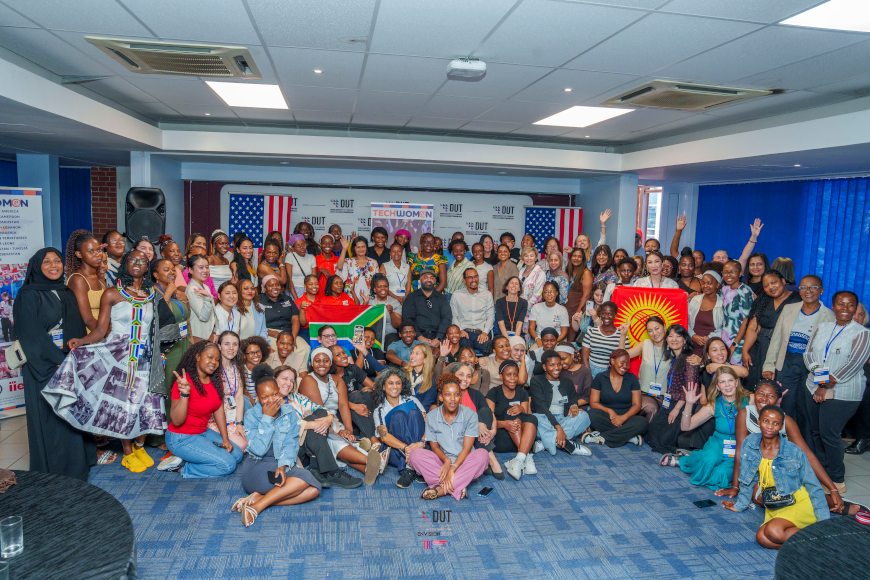
Pictured: International Tech DUT Day participants.


Photographer: Sibonelo Dlamini

Vukani Langa

https://www.dut.ac.za/international-tech-dut-day-empowering-the-next-generation-in-innovation-and-leadership/


DUT ACADEMIC NAMED FINALIST IN THE 2026 SOUTH AFRICAN WOMEN IN SCIENCE AWARDS


The Durban University of Technology (DUT) is celebrating another national achievement after Professor Nirmala Dorasamy was named a finalist in the 2026 South African Women in Science Awards (SAWiSA), an initiative of the Department of Science, Technology and Innovation (DSTI).


The South African Women in Science Awards recognise women whose work is advancing research, innovation and scientific excellence while making a meaningful contribution to society. Professor Dorasamy’s selection as a finalist places her among a distinguished group of women whose work continues to shape South Africa’s research and innovation landscape.


Professor Dorasamy is a respected academic in DUT’s Faculty of Management Sciences. Her research focuses on public administration, governance, leadership, ethics and organisational development, with a particular interest in strengthening public institutions and promoting good governance. Over the years, she has made a significant contribution to research, postgraduate supervision and the development of future scholars, while producing research that addresses contemporary societal and public sector challenges.


Professor Fulufhelo Nemavhola, DUT’s Deputy Vice Chancellor: Research, Innovation and Engagement, said the recognition reflects both Professor Dorasamy’s achievements and the University’s commitment to research excellence. “Professor Dorasamy’s recognition as a finalist in the South African Women in Science Awards is a proud achievement for both her and the Durban University of Technology. It reflects the calibre of research being undertaken at our university and our commitment to advancing knowledge that creates meaningful societal impact. As we continue to strengthen our research and innovation ecosystem, this recognition serves as an inspiration to our researchers and postgraduate students, particularly women pursuing careers in science, technology and innovation. We congratulate Professor Dorasamy on this well-deserved honour and wish her every success at the national awards.”


As part of the awards programme, finalists will participate in a professional video and photography production highlighting their research and its impact. The content will be showcased during the SAWiSA Gala Dinner and shared across the Department of Science, Technology and Innovation’s communication platforms.


The awards programme will culminate in the SAWiSA Gala Dinner on 20 August 2026 in Sandton, Gauteng. Finalists will also participate in a leadership workshop ahead of the ceremony and feature in a national broadcast celebrating their research achievements.


Professor Dorasamy’s recognition comes at a time when South Africa continues to celebrate the achievements of women in science, research and innovation. Her accomplishment reflects the important role that women researchers play in advancing knowledge, influencing policy and developing solutions that contribute to national development.


DUT congratulates Professor Dorasamy on this outstanding achievement and wishes her every success at the 2026 South African Women in Science Awards.


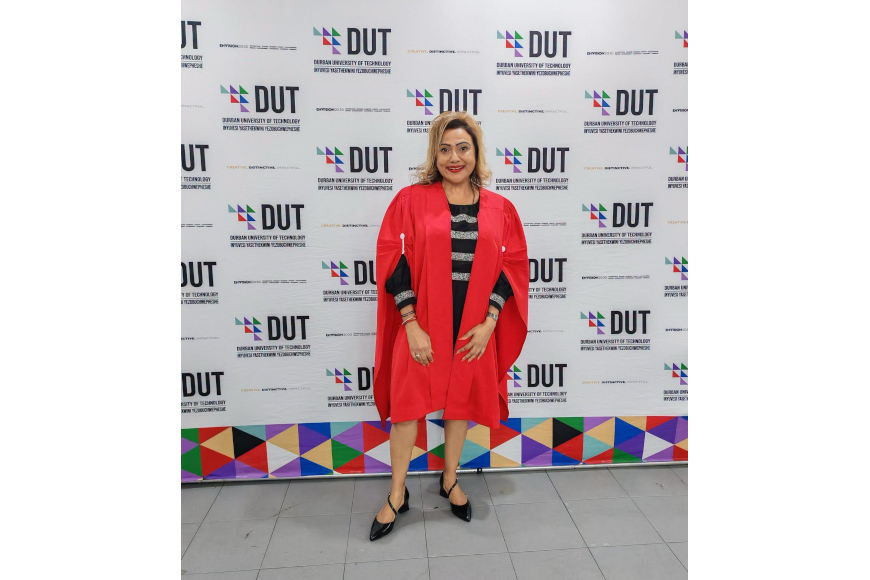
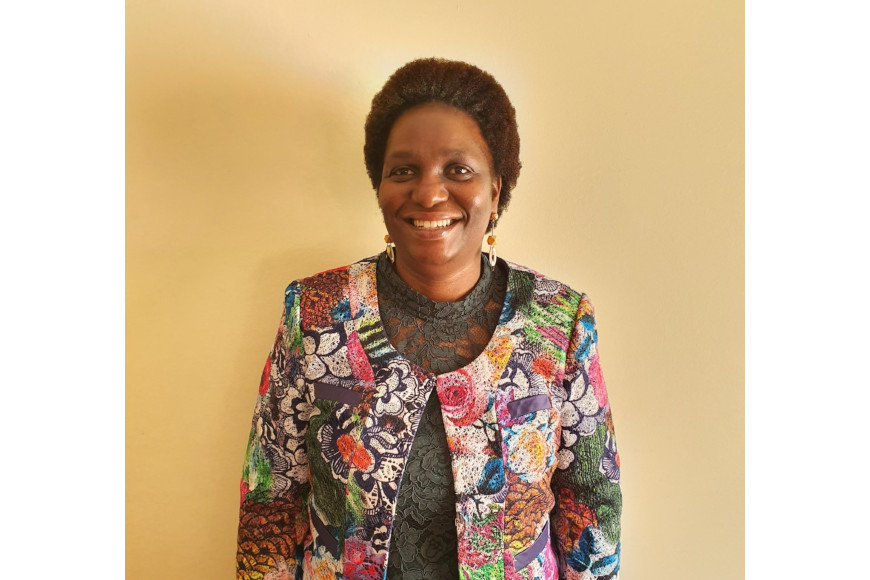
Pictured: Professor Nirmala Dorasamy was named a finalist in the 2026 South African Women in Science Awards (SAWiSA).

Tiyani Mboweni

https://www.dut.ac.za/dut-academic-named-finalist-in-the-2026-south-african-women-in-science-awards/


WOMEN OF DUT: PROF GUGU MCHUNU ON LEADERSHIP, RESILIENCE AND CREATING OPPORTUNITIES FOR OTHERS


For Professor Gugu Mchunu, leadership has never been about the title attached to her name. It is about people, purpose and what happens to others because of the opportunities a leader creates.


As Executive Dean of the Faculty of Health Sciences at the Durban University of Technology (DUT), Prof Mchunu draws on a career that has taken her from nursing and clinical practice to academia, research, mentorship and university leadership.


Her journey began in KwaMaphumulo, Emthandeni (KwaQwabe), where she grew up in a community that shaped her understanding of people and their relationship with the world around them.


“I was always curious and asking questions about people and their connectedness with their environment,” she recalls.


That curiosity was accompanied by a natural desire to help others. Surrounded by mainly women headed families while growing up, she found herself fascinated by their lives and wellbeing. At one point, she wanted to become a social worker. Instead, she entered nursing, a profession that provided another avenue to work with people and make a difference.


“I was the one who always wanted to lend a hand, and grew up in a close-knit community with families who didn’t have much but bound by love, support and passion. I was fascinated by  how we cared for each other as a community and made other people’s wellbeing my business. I actually wanted to be a social worker.”


Her career has since developed across clinical, private-sector and academic environments. She became a lecturer, nurse leader and nurse researcher before taking on the responsibility of leading a faculty.


Although she has not worked primarily in bedside nursing, her interest has always centred on wellbeing and how people can live healthier lives within their natural environments.


That people-centred approach remains visible in her leadership at DUT.


“Even in my current position staff and student wellbeing is my priority. I just love working with people!”


Her academic journey has brought significant milestones. Earning her PhD remains one of the achievements she is most proud of, remembering how the qualification opened doors and created new possibilities.


“Earning my PhD was a huge milestone for me. Although this was many years ago, thinking of it still warms my heart, as it opened many opportunities for me.”


But academic achievement, for Prof Mchunu, is not only about personal milestones. Seeing the people she has mentored succeed has become just as rewarding.


“Seeing my first PhD student graduate was a big deal for me.”


This is closely linked to the legacy she wants to leave at DUT. She wants to see a stronger research culture in which academic staff and students support one another, and more people reach the highest levels of academic achievement.


“Everyone must strive towards getting that red gown. Each one mentor one, instead of pulling each other down.”


Her commitment to developing others is rooted partly in her own experience of being mentored.


Two women, in particular, have shaped the leader she has become.


The first is her mother, who was a young widow, sugar cane farmer and self-made entrepreneur. Prof Mchunu describes her as a natural leader whose resilience and ability to work with people left a lasting impression.


“She was a born leader, and a self-made entrepreneur.”


From her mother, she learnt to love people unconditionally, forgive others and understand that women can succeed and lead on their own terms.


The second was Professor Leana Uys, a nurse leader who became her mentor.


Prof Uys taught her that leadership must be grounded in integrity, even when nobody is watching.


“She taught me that if you are a leader you must lead with integrity at all times even if no one is watching.”


That lesson continues to influence Prof Mchunu’s approach to leadership. She believes leaders should empower others, give their best and remain willing to learn, even from people with whom they may not always agree.


Some of her most profound lessons about leadership, however, have come from motherhood.


Prof Mchunu is a mother of three, an achievement she describes with both pride and amazement.


“Personally, becoming a mother was the best thing that ever happened to me. I always marvel at how I have managed to raise three human beings!”


Raising a child with special needs brought another dimension to her understanding of resilience and compassion. When her son was diagnosed with Autism, she had to adjust her routine while continuing with her studies and professional responsibilities.


“It was a big challenge when he was first diagnosed, but I also saw it as a blessing to me and my family.”


The experience taught her to listen before judging and to recognise that people often carry circumstances that are not immediately visible to others.


“I learnt not to judge others without listening to their life stories. It taught me patience and compassion.”


Those lessons have proved valuable in leadership, where kindness and empathy must sometimes be balanced with difficult decisions and responsibilities.


Her experiences also led her to engage with other parents and eventually put their stories and experiences into writing. A book inspired by those engagements is soon to be published.


The perspective she gained through adversity is reflected in words by Maya Angelou that she holds close: “You may not control all the events that happen to you, but you can decide not to be reduced by them.”


Her own journey has also strengthened her determination to see people from disadvantaged and rural communities succeed.


“I am outcomes driven. When I see people from rural communities succeeding, I get motivated, and work even harder since I know the hardships they get through in order to succeed.”


Her own rural upbringing gives that commitment a personal meaning. She understands that talent and ambition are not always enough when people have limited access to opportunities.


As a faculty leader, she therefore sees her role as part of a much bigger institutional responsibility.


Her decisions must help move the Faculty of Health Sciences in the right direction while contributing to the University’s ENVISION2030. She also believes that leaders have a responsibility to represent DUT positively and strengthen the trust and support of its stakeholders.


Women’s Month provides another opportunity for Prof Mchunu to reflect on the experiences of women, but she believes it should be about more than celebrating professional achievements.


“It means celebrating my feminine side and meeting other women to discuss women’s issues.”


For her, it is also about creating space to hear the stories of women outside academia and recognising the diversity of women’s experiences.


“It is about listening to stories of other women outside academia in a relaxed environment.”


Away from her role at DUT, her faith remains an important part of her life. She is a member of the Anglican Church Mothers Union and sings in her church choir.


“My faith keeps me grounded and helps me to deal with any challenges at work.”


Her experiences as a mother to a child with special needs have also given her a particular sensitivity towards differently abled people.


For young women who aspire to leadership, Prof Mchunu has a message that combines ambition with solidarity.


“They must be hungry for success but be kind to each other. As women, we are the strongest when we cheer each other.”


She encourages young women to be fearless, pursue their dreams even when they appear impossible and, above all, understand their worth.

“Only they can write their story and nobody else.”


From KwaQwabe to the leadership of a university faculty, Prof Mchunu’s story demonstrates that leadership can grow from the simplest of beginnings: curiosity, a willingness to help others and the determination to keep moving forward.


Her ambition is not simply to be remembered for the position she held, but for the people she inspired, the research culture she helped strengthen and the opportunities she created for others.


And perhaps that is the leadership legacy she wants to leave most: to rise, to bring others with you and to make sure that the next person has a better chance to succeed.


Pictured: Prof Gugu Mchunu, Executive Dean of the Faculty of Health Sciences at DUT.


Photo: Supplied.

Tiyani Mboweni

https://www.dut.ac.za/women-of-dut-prof-gugu-mchunu-on-leadership-resilience-and-creating-opportunities-for-others/


2025

GLOBAL RECOGNITION FOR DUT SCIENTIST WHO WINS 2025 L’ORÉAL-UNESCO WOMEN IN SCIENCAWARD


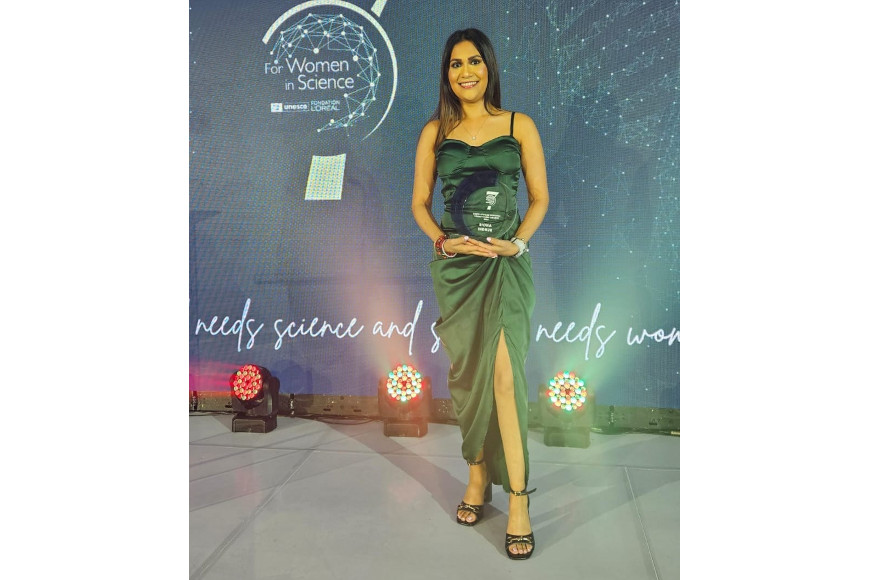
Durban University of Technology’s (DUT) Dr Riona Indhur has emerged as one of South Africa’s brightest scientific trailblazers, earning international acclaim after being named one of only three South African women postdoctoral fellows to receive the prestigious 2025 L’Oréal-UNESCO For Women in Science Award. Announced at a ceremony in Johannesburg on Friday, 10 October 2025, the award celebrates Dr Indhur’s groundbreaking research, her pursuit of scientific excellence and her commitment to advancing opportunities for women in STEM.


L’Oréal South Africa, in partnership with UNESCO, proudly hosted the 2025 L’Oréal-UNESCO For Women in Science Awards, recognising outstanding female scientists whose groundbreaking research addresses Africa’s most urgent challenges, from cancer care and infectious diseases to clean water, sustainable energy, and environmental conservation.


Dr Riona Indhur is currently a postdoctoral research fellow in the Institute for Water and Wastewater Technology (IWWT) at DUT, specialising in nanomaterials, advanced oxidation processes and sustainable wastewater treatment technologies


 Sharing her excitement on winning this prestigious award, Dr Indhur said: “I feel deeply honoured and humbled as this recognition represents far more than a personal achievement; it reflects the collective effort of women scientists who are breaking boundaries in research and redefining what’s possible. For me, this award is both an affirmation of my commitment to advancing sustainable water technologies and a powerful reminder of the responsibility we hold as scientists to create tangible, positive change in society.”


Speaking on the calibre of her competitors, Dr Indhur relayed that the competition was exceptionally high. “There were so many brilliant, innovative, and driven researchers from diverse scientific fields across the country, each doing remarkable work with global impact. Being selected among such an outstanding calibre of scientists is both inspiring and motivating. It reinforces my belief that South Africa and the African continent are home to world-class scientific talent that deserves global recognition,” she emphasised.


Dr Indhur obtained her Doctor of Philosophy in Biotechnology at DUT in May 2025, focusing on the synthesis and application of superparamagnetic iron-oxide-functionalised 2D nanocomposites for microplastic removal from drinking water and wastewater. Her research bridges chemistry, materials science, and environmental science, aiming to deliver cost-effective, high-efficiency solutions to critical water challenges.


Dr Indhur has received multiple accolades for her work, including being the Top Published Doctoral Student of the Year (2024) within her the Faculty of Applied Sciences, Top Achiever Award Certificate (2024), Mentorship Award Certificate (2024), Community Engagement certificate (2024) and she holds a she holds a Golden Key from the Golden Key International Honour Society – honouring the top 15% of academic performers globally, and she has been named one of the Top five next-generation researchers in South Africa at the 2025 NRF Research Excellence Awards for Next Generation Researchers.


She is passionate about advancing the United Nations Sustainable Development Goals, particularly SDG 3 (Good Health and Well-being), SDG 6 (Clean Water and Sanitation), SDG 11 (Sustainable Cities and Communities), and SDG 14 (Life Below Water); and bridging the gap between scientific innovation and societal impact.


According to Serge Sacre, CEO of L’Oréal South Africa, he emphasised that the awards not only honour the eight awardee achievements in this category but ensures that their voices and research continue to inspire long after the spotlight moves on.


Dr Indhur’s supervisor from IWWT, Professor Sheena Kumari said that this award was another feather in her crown. “I could not be happier for Dr Indhur. As a brilliant researcher, she is already making waves in her field and stands as a powerful role model for all aspiring young women leaders. I wish her every success in her future endeavours,” she expressed proudly.IWWT Director, Professor Faizal Bux, was ecstatic that Dr Indhur had won the award. “It’s a reflection of her hard work and pursuance of excellence and the commitment by the supervisors to expanding the boundaries of science. Dr Indhur has a great future in becoming a scientist of note,” he remarked.


Going forward, Dr Indhur elaborated that her goal is to pioneer sustainable nanotechnological solutions that address global water pollution challenges, particularly the removal and degradation of microplastics and emerging contaminants. “Through my work, I aim to bridge laboratory innovation with real-world implementation by developing low-cost, scalable nanotechnological water treatment systems tailored for resource-limited communities. Beyond the lab, I’m committed to mentoring young scientists and contributing to science policy that promotes equitable access to clean water and sustainable technologies. Ultimately, I want my research to advance both environmental resilience and social impact, ensuring that scientific progress translates into a healthier, more sustainable planet for all,” she shared.


Pictured: Dr Riona Indhur with her award.

Waheeda Peters

https://www.dut.ac.za/global-recognition-for-dut-scientist-who-wins-2025-loreal-unesco-women-in-science-award/


DUT STUDENTS STAND IN SOLIDARITY IN RAISING AWARENESS ON GENDER BASED VIOLENCE


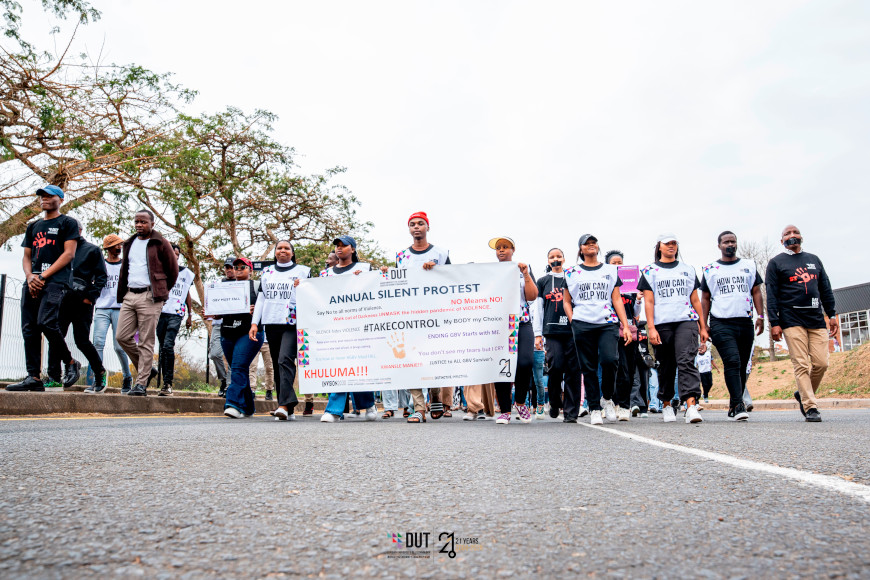
The Durban University of Technology’s  (DUT’s) HIV and AIDS Centre recently hosted its 11th Annual Silent Protest at the Indumiso Campus. The event began with a silent march from the campus gate to the Main Hall, followed by a symbolic gesture where participants lay on the floor to honour victims who lost their lives to gender-based violence.


Ms Sphumelele Nzimande, Programme Director from the Centre for Excellence in Learning and Teaching at DUT, brought an energetic vibe to the room. Her facilitation skills created a conducive atmosphere for engaging discussions and meaningful interactions, setting the stage for productive conversations.


Ms Sthembile Mabaso, representing the Interim Director of Student Services and Development, delivered a warm welcome address and outlined the purpose of the gathering, setting the tone for a productive and meaningful session.


“I wish to pledge our full support, not only for this important gathering, but also for the cause that it represents.  We believe that our efforts will not only transform the outcomes within our university spaces, but also in the communities and societies. We also cannot ignore the alarming rise that is being reported when it comes to cases of sexual harassment within our institution. Gatherings as such along the previous initiatives that are done by different communities and different units proves that this is a problem, and we cannot just continue as if this is a normal situation,” said Mabaso.


Sister Soori Wardthen, Acting Director of Student Counselling and Health, delivered a message of support to the students, emphasising the importance of kindness, solidarity, and collective action in supporting victims of abuse and fighting against injustices


“As we gather for the 11th silent protest, we stand together in solidarity, with passion and hope. We have come together to raise awareness about issues that often go unnoticed but are deeply felt. Our silence is a powerful statement, an invitation to listen, to understand and to acknowledge the experiences of those affected by injustice, disrespect and abuse,” said Sister Wardthen.


She added that the silent protest event is a powerful reminder of their collective voices even during their silence, and that it is a testament to their shared commitment to justice, equality and to the well-being of every victim in communities.


Speaking on behalf of the Students Representative Council (SRC), Social and Welfare Officer Ms Slindile Mabonga shared that they are gathered for something far greater than a programme on paper.


“As the DUT community, and as a nation, we are often guilty of hearing without listening. We assume instead of engaging. We talk over instead of pausing to understand. These protest calls us to truly listen to survivors, to one another, and to the pain that too often hides behind silence. Listening is the beginning of respect, and respect is the foundation of a safe, caring, and humane society. The silence we carry today is not empty. Behind it are stories of violence, of fear, of survival, and of lives disrupted. Our silence is not only about pain. It is about a call, a demand, a declaration that things cannot stay the same. We cannot ignore what is happening in our residences, in our classrooms, in our communities, and in our country. Gender-based violence is not someone else’s issue  it is our issue. It affects us all,” said Mabonga.


Dr Kylah Forbes-Biggs, a lecturer in Public Management and Economics at the Durban University of Technology (DUT), delivered a powerful keynote address sharing her personal experiences as a survivor of Gender-Based Violence (GBV). Her aim was to empower students to speak out against any form of abuse they may encounter or witness, providing a safe space for those who have been victimised to share their fears.


As a renowned expert in disaster risk reduction and management with a specialisation in Gender and Disasters, Dr Forbes-Biggs has been instrumental in developing initiatives like the Girls in Risk Reduction Leadership (GIRRL) Programme. This programme focuses on building resilience and leadership skills among adolescent girls in South Africa.


The event continued with a panel discussion facilitated by Student Counselling and Health Psychologist, Ms Anita Masinyane featuring diverse organisations, such as the Nstika Men’s Network, Qhakaza Ladies Network, Rainbow Alliance, and the DUT Student Representative Council, along with other key stakeholders.


Dr Nonhlanhla Mthiyane, Campus Director of the Midlands Campuses, then delivered the closing remarks, extending her gratitude to the event organisers for hosting such a vital and impactful initiative.


Pictured: DUT students at the 11th  Annual Silent Protest.

Photographer: S’bonelo Dlamini

Thubelihle Dumakude

https://www.dut.ac.za/dut-students-stand-in-solidarity-in-raising-awareness-on-gender-based-violence/


INNOBIZ DUT STUDENT WOMEN ECONOMIC EMPOWERMENT PROGRAMME HOSTS GLOBAL G20 WOMEN LEADERS WEBINAR


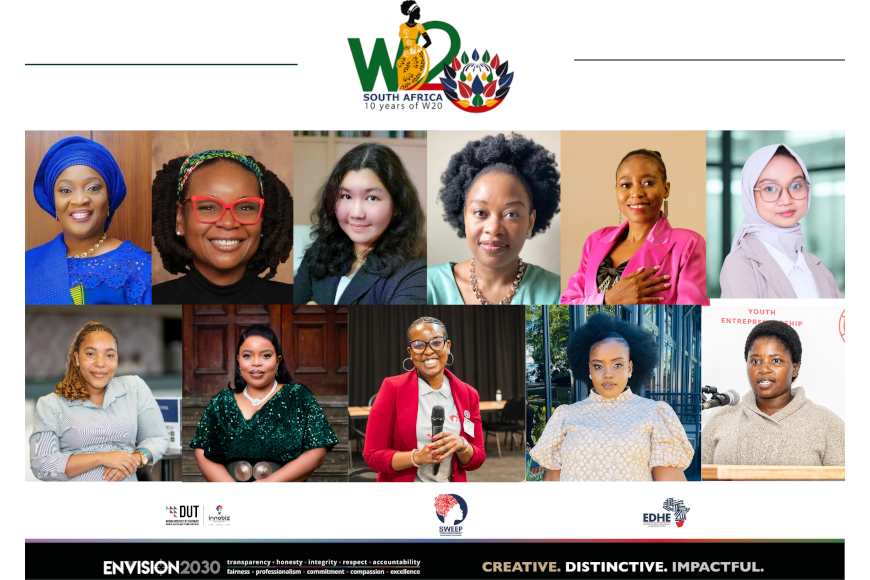
In a world increasingly shaped by complex crises and shifting global economies, the voices of young women leaders are no longer whispers at the margins, they are the pulse of transformation. This was powerfully demonstrated during the Durban University of Technology (DUT) recent webinar, “G20 Women Leaders: Inspiring a New Generation,” hosted by the DUT Chapter of the Student Women Economic Empowerment Programme (SWEEP) in alignment with the W20, the official G20 engagement group dedicated to women.


What began as a virtual event quickly evolved into a global dialogue. Student leaders, policymakers, academics, entrepreneurs and seasoned change makers converged to do more than talk as they came to ignite. At its heart, the webinar explored how women, especially young, emerging leaders can be equipped to solve local and global challenges through innovation, education and entrepreneurial action.


Programme Director Sinalenjabulo Ndlovu, alongside SWEEP Chapter executives Nompumelelo Ngcobo, Siyethemba Ngema and Londiwe Gumede, opened the platform with purpose, setting the tone for an afternoon of deeply engaging and often emotional exchanges.


Sindiswa Khuzwayo, SWEEP DUT Chapter Coordinator, delivered a presentation that connected local impact to institutional vision.


“Our work at the SWEEP DUT Chapter in collaboration with innobiz DUT Centre for Entrepreneurship and Innovation and across the university is rooted in these values,” she said, referring to DUT’s ENVISION2030 strategy. “By embedding entrepreneurial support within our Centre and SWEEP introduced by Entrepreneurship Development in Higher Education (EDHE), we’re closing the gender gap in innovation and amplifying the voices of young South African women,” said Khuzwayo.


In the global context, South Africa, like many nations faces a stubborn youth unemployment crisis. And women, especially young women, bear the brunt of it. The W20’s involvement gave the event a powerful diplomatic and policy lens, linking local student initiatives to global action agendas around economic inclusion, digital transformation and gender equity.


Keynote speaker Her Excellency Chief Dr Jewel Howard Taylor, former Vice President of Liberia, brought gravitas and lived wisdom to the conversation. Reflecting on her 30-year journey in politics, she reminded participants that leadership is not inherited but it is earned. “I came from being a Deputy Governor of the Central Bank, becoming First Lady, then elected twice as a senator and finally, Vice President. Each of these roles taught me how women can lead, shape policy and build nations,” she said.


Dr Meredeth Summers, director of USSAVI built on this, bringing both data and deep empathy into the discussion. Drawing from her work in underserved communities, she highlighted the power of education not just as personal advancement, but as a community wide catalyst. “You are not just students. You are economic drivers, innovators, and architects of the future,” she said, urging women to leverage their education as a tool for generational change. Her grandmother’s advice, “Have your own nickels,” became a symbolic anthem for self-sufficiency and resilience.


Among the many voices, DUT lecturer, Dr Thulile Mofokeng’s contribution stood out for its honest confrontation of institutional gaps and persistent stereotypes. “Higher education must evolve from being spaces of regurgitating information to becoming platforms of creativity, innovation and entrepreneurship,” she said. Drawing attention to the damaging myths that label women as “too emotional” or “risk averse,” she called on universities to design more inclusive systems from funding opportunities to curriculum integration to support women led innovation. Articulating DUT’s Deputy Vice-Chancellor: Research, Innovation and Engagement, she reminded the audience that “academic excellence must be redefined and measured not just by publication, but by solving real world problems.”


The webinar also spotlighted rising global youth leaders like Tarantorn “Tara” Kaveeta Nakul, CTO of Why Waste and Dyah Ayu Puspita Ningrum the Vice director of HIPKA, who presented solutions rooted in grassroots community work and tech innovation. From coding clubs for young girls to small local leadership workshops, their message was clear: big change often begins with small access.


“When young women see leaders who look like them, it helps them imagine what’s possible,” said Ningrum.


Zanele Tsambo president of African Women In Leadership urged for more intentional strategies to drive gender equity in Africa’s economic systems, while other speakers emphasised building collaborative ecosystems that include government, business and civil society.


As the dialogue closed, Siyethemba Ngema, SWEEP Executive,  gave voice to the spirit of the day: “We’ve shared powerful stories and visions for the future. From political leaders to youth innovators, each speaker showed that when women rise, entire communities rise with us.”


The DUT hosted webinar was more than an academic event, it was a declaration. It affirmed that empowering young women is not a peripheral project, it is the heart of sustainable development. It demonstrated that institutions like DUT, through programmes like SWEEP, are not simply preparing women to participate they are preparing them to lead.


Pictured: Young women leaders speaking at the G20 Women Leaders.

Sindiswa Khuzwayo

https://www.dut.ac.za/innobiz-dut-student-women-economic-empowerment-programme-hosts-global-g20-women-leaders-webinar/

A DAY OF VOICES, STORIES, AND ACTION AGAINST GENDER-BASED VIOLENCE


The Durban University of Technology (DUT) Gender Forum recently hosted a deeply impactful Gender-Based Violence (GBV) Awareness Workshop at Garden Court Marine Parade, under the theme: “Not Just Numbers: Voices, Stories, and Action Against GBV in South Africa.”


The workshop was aimed to move beyond statistics and headlines, creating a space where participants could connect, reflect, and confront the realities of GBV in a personal and meaningful way. It was a day rooted in empathy, truth-telling, and the shared commitment to ending gender-based violence in all its forms.


The session began with a warm welcome from Dr N Ramroop, Equity and Skills Coordinator for the DUT Gender Forum, who set the tone for the day by emphasising the importance of safe spaces and collective learning. The DUT Human Capital Services followed, offering insight into the university’s mental health and wellness support structures available to both staff and students.


The workshop was expertly facilitated by Dr Kylah Forbes-Biggs, whose wealth of experience in gender justice, trauma-informed practice, and community engagement brought depth and authenticity to the training. Her interactive and inclusive approach kept participants actively engaged throughout the day, whether in silent reflection, group discussion, or symbolic exercises.


Key moments included:

  • The “One in Three” symbolic awareness activity, highlighting the shocking prevalence of GBV in South Africa.
  • The “What We Live(d)” immersive audio experience, a powerful and emotional tribute to survivors, followed by two minutes of silence in their honour.
  • The Knowledge Spectrum Activity, which challenged participants to examine their beliefs, discomforts, and assumptions in a structured, yet open dialogue.
  • The Interactive Dialogue: “Breaking the Silence”, which allowed attendees to anonymously voice the reasons many choose not to disclose abuse-fostering empathy and understanding.
  • The World Café Session, where participants rotated through themed tables to discuss different dimensions of GBV, capturing ideas and sharing strategies for action.
  • The emotionally charged Message Wall Activity: “To Those Who’ve Lived It…”, where heartfelt messages of solidarity, grief, and support were displayed as part of the Wall of Truth & Healing.

In her closing remarks, Ronelle Lyson, PR and Marketing Coordinator for the DUT Gender Forum, left participants with a powerful message of continued advocacy and hope: “Awareness is only the beginning. There are many ways to continue advocating, empowering, and standing up against all forms of injustice. We encourage the DUT community to stay engaged and join us for the upcoming Anti-Human Trafficking Walk on 4 October 2025. Your voice and presence matter.”


The DUT Gender Forum extends heartfelt thanks to DUT Human Capital Services for their unwavering support and partnership in making this workshop possible. Their commitment to human dignity, wellness, and social justice plays a vital role in fostering a safer, more conscious university environment.


Pictured: Attendees at the Gender-Based Violence (GBV) Awareness Workshop.

Ronelle Lyson

https://www.dut.ac.za/a-day-of-voices-stories-and-action-against-gender-based-violence/