
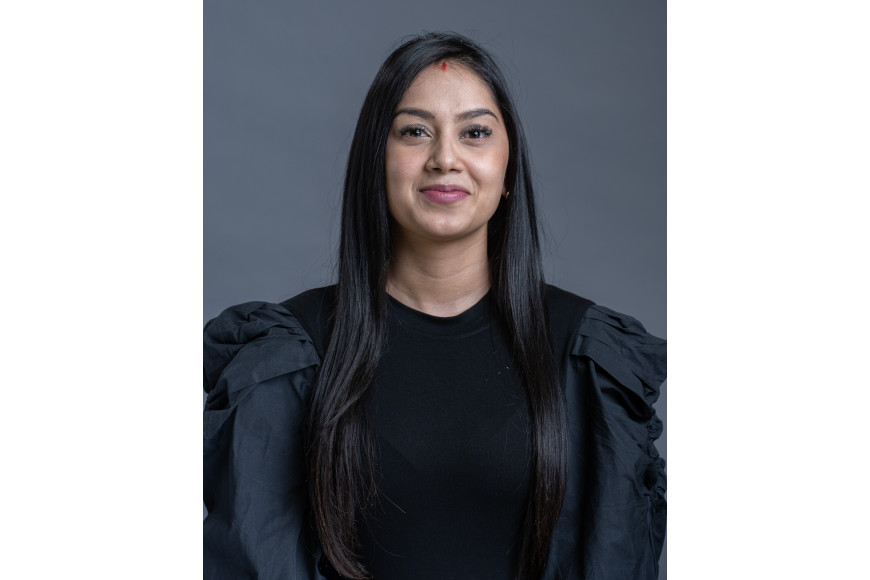
Graduating with a PhD is a significant milestone for Akira Singh, lecturer in the Department of Auditing and Taxation at the Durban University of Technology (DUT), where she is involved in teaching, postgraduate coordination, research activities, and community engagement.
“My PhD reflects years of dedication, discipline, and perseverance; it represents not only academic achievement but also personal growth and the ability to contribute meaningfully to my field, particularly in advancing the role of Artificial Intelligence in South Africa’s tax administration systems.”
Singh is ecstatic as she represents the first PhD completion in Accounting within the Faculty, which makes the achievement even more notable at the DUT Autumn Graduation Ceremony taking place at the Olive Convention Centre.
Her family was extremely excited, proud, and emotional when they heard the news, as they had witnessed the effort, sacrifices, and dedication that went into completing the PhD. “Achieving this milestone at the age of 30 made the moment even more special, as it symbolised not only academic success but also the realisation of long-term goals, and their unwavering support played a significant role in helping me reach this point,” she shared.
The 30-year-old academic says her journey at DUT has been both fulfilling and transformative, as she has progressed from being a student to becoming a member of the academic staff while completing her Doctor of Philosophy in Accounting, specialising in Taxation. This journey has allowed her to grow academically and professionally while contributing to teaching, postgraduate coordination, and community engagement within the department.
She focused on her dissertation titled Further Adoption of Artificial Intelligence for Optimal Tax Administration in the 21st Century South Africa: An Evaluative Study.
She explained that this study evaluates the potential for the further adoption of Artificial Intelligence within South Africa’s tax administration system, focusing on improving efficiency, compliance, and governance within the South African Revenue Service. “The research identifies key systemic challenges, examines stakeholder perspectives, and proposes a comprehensive AI-integrated conceptual framework aimed at strengthening tax administration in a rapidly evolving digital environment,” she said.
Singh explained that the findings demonstrate that while Artificial Intelligence offers significant potential to enhance compliance, efficiency, and fraud detection within the tax system, several challenges remain, including regulatory complexity, limited digital skills, data privacy concerns, and resistance to change. “A key contribution of the study is the development of the AIDOTA framework, Artificial Intelligence Driven Optimal Tax Administration, which provides a structured roadmap for the responsible, phased, and sustainable implementation of AI within SARS, ensuring alignment with governance, stakeholder readiness, and institutional capacity,” she said.
Singh is committed to contributing to the advancement of South Africa’s tax administration systems through research and innovation, and is passionate about mentoring students.
As an academic, she aligns strongly with DUT’s values of excellence, integrity, and innovation. “I strive for excellence in my research and teaching, upholding integrity through ethical academic practice, and embracing innovation by focusing on the integration of Artificial Intelligence into tax administration systems,” she said.
Singh indicated that balancing the demands of academic research with professional responsibilities was one of the main challenges she faced, requiring strong time management and discipline. Additionally, navigating the complexity of PhD-level research required resilience, adaptability, and a commitment to continuous learning.
Her interest in taxation and the growing influence of technology in transforming systems motivated her. She recognised the importance of Artificial Intelligence in modernising tax administration and was driven to contribute to this evolving field.
“I intend to continue contributing to academic research through publications and collaborative projects, while also exploring opportunities for postdoctoral research and further academic development,” added Singh.
Her aim is to progress within academia towards professorship, where she can contribute to impactful research, mentor postgraduate students, and play a role in shaping both academic and practical developments in tax administration.
Her advice to a first-year student who wishes to embark on the same career is to remain focused, disciplined, and committed to their goals, seek guidance early from mentors, and stay consistent in their efforts while building a strong foundation in both theoretical knowledge and practical skills. She emphasised that perseverance and clarity of purpose are essential for long-term success in academia.
Pictured: DUT lecturer in the Department of Auditing and Taxation, Akira Singh who will be obtaining her PhD in the upcoming 2026 Autumn Graduation.
Waheeda Peters


