

RESEARCH
ADVANCEMENT

SDG1 No Poverty


2026

DUT RANKED AMONG THE WORLD’S TOP 60 UNIVERSITIES FOR TACKLING POVERTY


Every day, thousands of students arrive at the Durban University of Technology (DUT) carrying more than books and laptops. They arrive with aspirations and dreams to build better futures for themselves, their families and their communities.


For many, a university qualification is more than a personal milestone. It is an opportunity to break the cycle of poverty, become the first graduate in the family, secure meaningful employment, start a business or contribute solutions to challenges facing society. Behind every adaptive graduate is a family whose hopes are invested in the promise that education can transform lives.


This belief lies at the heart of the DUT’s mission. It is also one of the reasons the University has been recognised among the Top 60 universities globally for Sustainable Development Goal 1: No Poverty, in the 2026 Times Higher Education Impact Rankings.


Unlike traditional university rankings that focus primarily on academic reputation or research output, the Times Higher Education Impact Rankings measure how universities contribute to the United Nations Sustainable Development Goals through their teaching, research, innovation, community engagement and institutional practices. For SDG 1, universities are assessed on how they expand access to education, support vulnerable students, generate research that addresses poverty, work alongside communities and create opportunities that improve livelihoods.


For South Africa, where poverty, unemployment and inequality remain among the country’s most pressing challenges, this recognition carries particular significance. Universities are increasingly expected to do more than educate graduates. They are called upon to generate knowledge that informs public policy, develop innovations that stimulate economic growth, strengthen communities and contribute to building a more inclusive society.


At DUT, these responsibilities are not viewed as separate from the University’s academic mission. They are embedded in the way the institution teaches, conducts research, collaborates with industry and government, and engages with communities. Every faculty, every research centre and every support division contributes to a shared commitment to creating meaningful societal impact.


That impact begins in the classroom.


Thousands of students from diverse backgrounds enrol at DUT each year with the ambition of changing their lives through higher education. Many are the first in their families to attend university. Through its academic programmes and General Education curriculum, the University equips students not only with technical knowledge and professional skills, but also with the values of ethical leadership, responsible citizenship and community engagement. The aim is to graduate professionals who understand that success is measured not only by individual achievement, but by the positive difference they make in society.


Beyond the classroom, ideas are transformed into innovations that create opportunity.


Through the Technology Transfer and Innovation unit, innobiz DUT Centre for Entrepreneurship and Innovation and the Centre for Social Entrepreneurship Rapid Incubator, students, researchers and entrepreneurs receive support to develop technologies, businesses and social enterprises that respond to real societal challenges. These initiatives strengthen entrepreneurship, stimulate local economic development and contribute to creating sustainable livelihoods.


The University’s growing leadership in entrepreneurship has also been recognised nationally. Earlier this year, Universities South Africa appointed DUT to lead the development of a national entrepreneurship policy framework for the country’s 26 public universities. The appointment reflects confidence in DUT’s contribution towards developing entrepreneurial graduates and strengthening innovation across the higher education sector.


Innovation is most powerful when it changes lives.


One example is DUT innovator Thokozani Buthelezi, whose award-winning enterprise, Myco Feeds, converts agricultural waste into mushroom-growing material. By applying research to address food security and sustainable agriculture, the innovation demonstrates how university knowledge can generate economic opportunity while supporting more resilient communities.


Research at DUT is equally focused on addressing challenges that affect everyday life.


Across disciplines, researchers are developing practical solutions in areas such as smart agriculture, food security, health innovation, sustainable cities, engineering, artificial intelligence and clean energy. Increasingly, this research is undertaken in partnership with communities, government and industry to ensure that new knowledge is translated into tangible benefits for society.


A recent example is the University’s flood preparedness initiative, where researchers worked alongside vulnerable communities to develop practical safety booklets and emergency “One Go Bags”. Rather than remaining within academic journals, the research was translated into practical tools that help communities prepare for disasters, demonstrating how research can directly improve resilience and protect livelihoods. The University’s contribution extends well beyond research and innovation.


Every year, staff and students participate in community engagement initiatives that address local priorities through service learning, outreach and collaborative partnerships. These projects reflect the understanding that lasting development is achieved not by working for communities, but by working with them. Through these partnerships, knowledge flows in both directions, creating solutions that are relevant, sustainable and responsive to local needs.


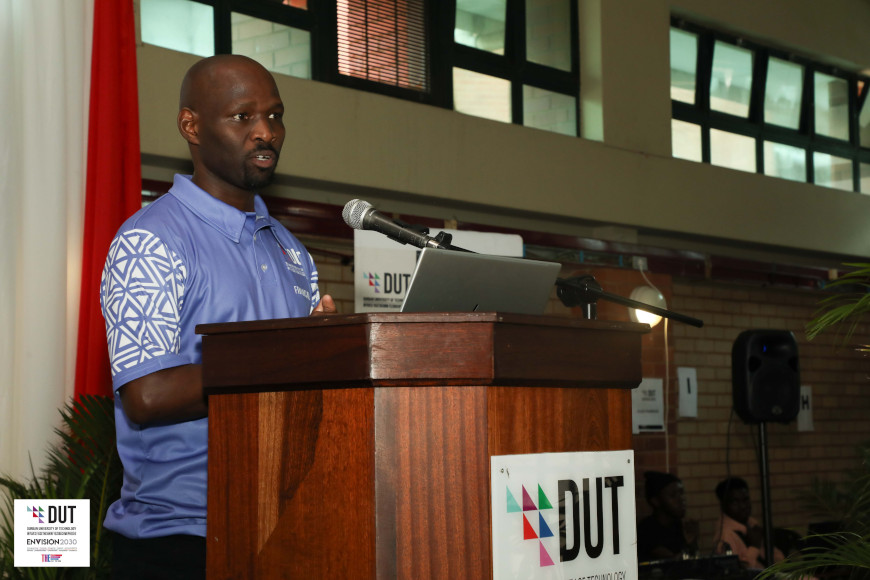
Deputy Vice-Chancellor: Research, Innovation and Engagement, Professor Fulufhelo Nemavhola, said; “This recognition affirms that DUT is advancing the aspirations of ENVISION2030, while reminding us that recognition is not a destination but a call to deepen our contribution to society. It reflects what I call ‘impactivity’, the ability to translate knowledge, research and innovation into measurable and meaningful improvements in people’s lives. This achievement belongs to our students, staff and executive leadership, whose collective contributions through research, innovation, adaptive graduates and community partnerships demonstrate that higher education can be a powerful force for sustainable social and economic transformation. As we move forward, we remain committed to creating opportunities, strengthening communities and improving livelihoods.”


The Times Higher Education Impact Rankings provide international recognition of institutional impact. However, for DUT, the true measure of success is found elsewhere. It is found in the first-generation adaptive graduate who returns home with a qualification that changes the future of a family. It is found in the entrepreneur who transforms an idea into a business that creates employment. It is found in the researcher whose work helps communities become safer, healthier and more resilient. And it is found in every partnership that demonstrates the power of higher education to restore dignity, expand opportunity and help build a future where no one is left behind.


These are the stories that earned the Durban University of Technology its place among the world’s Top 60 universities for SDG 1: No Poverty. More importantly, they are the stories that continue to shape a better future for South Africa and beyond.


Pictured: Professor Fulufhelo Nemavhola, Deputy Vice-Chancellor: Research, Innovation and Engagement at DUT.


Tiyani Mboweni


https://www.dut.ac.za/dut-ranked-among-the-worlds-top-60-universities-for-tackling-poverty/

DUT’S DR NONHLANHLA KHUMALO SUMMITS MOUNT KILIMANJARO TO RAISE FUNDS FOR 50 PAIRS OF SCHOOL SHOES

Jan 22, 2026

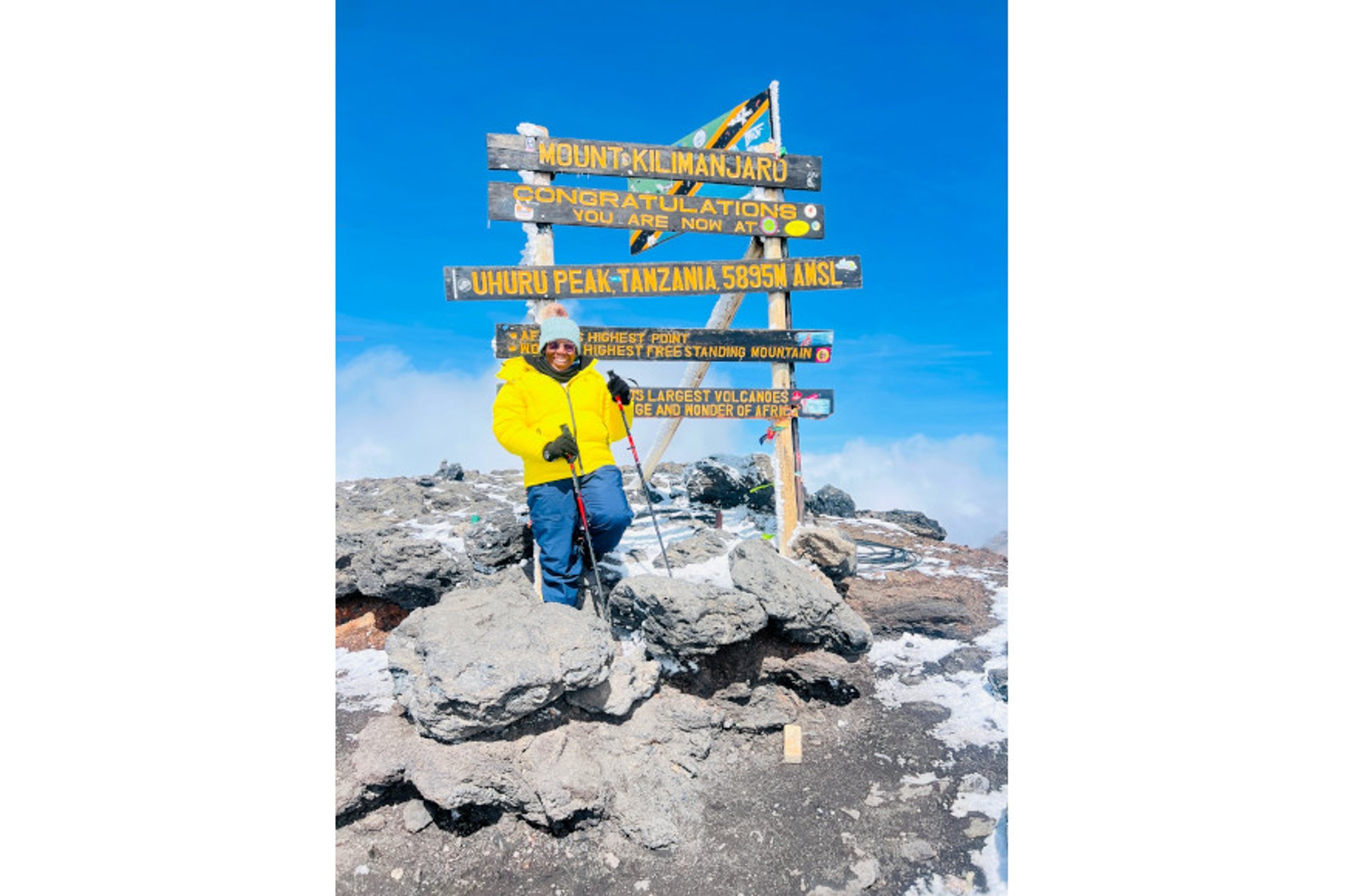
Dr Nonhlanhla Khumalo, a Writing Centre Practitioner at the Durban University of Technology (DUT) Midlands Campus recently summitted Africa’s highest peak and the world’s tallest free-standing mountain, Mount Kilimanjaro. She embarked on a six-day hike via the Machame Route to raise funds to purchase 50 pairs of school shoes for the children of Nkanyezi Youth Development Camp in Bergville, KwaZulu-Natal.


Dr Khumalo whose core mandate at DUT is to provide academic support to undergraduate and postgraduate students, as well as staff, through reading, writing, and research development said summiting Mount Kilimanjaro was also part of her birthday celebration.


“Celebrating another year was a significant milestone and a true blessing, which inspired me to celebrate in a way that was more meaningful than the usual self-indulgent options, such as going on holiday, hosting a lavish party, or dressing up for a themed celebration with friends. I wanted to do something purposeful, something that would allow me to give back to the community and make a positive impact on other people’s lives. Summiting Mount Kilimanjaro has long been a bucket-list goal for me, and this journey presented the perfect opportunity to hike for a cause,” shared Dr Khumalo.


For Dr Khumalo navigating Mount Kilimanjaro was incredibly challenging. She indicated that the most difficult memory was on Day 4 when they had to go from Barafu Camp (4673 metres above sea level) to the summit, Uhuru Peak.


“It was what was referred to as ‘summit day’, and the hike started at 12:00 midnight to arrive at the summit at sunrise. The trek towards Stella Point was the hardest part. It was the worst five kilo metres I have ever done as the walk took more than 6hrs. The extreme cold temperatures, fatigue and altitude played havoc with my brain as I wanted to sit and rest and just nap for at least five minutes but my Guide wouldn’t allow me to close my eyes. I kept asking him how long we still had to go. The standard response of ‘almost there’ started to irritate me as we kept walking for hours without seeing the end,” said Dr Khumalo.


When she got to Stella Point (one of three Kilimanjaro summits), Dr Khumalo said she was completely exhausted, but she had to dig deeper and remember why she was doing this. Thinking about those children at Nkanyezi Youth Camp ensured that she hiked the last 45 minutes to the Roof of Africa.


Getting to Uhuru Peak (5895 metres above sea level) was like going to war for Dr Khumalo. She had conquered Mount Kilimanjaro. Dr Khumalo said it was a proud moment that represented victory and gave her the belief that she could face all the challenges that the world threw at her. At that moment, she said it hit her that she could not take the ability to have the strength and health to do these types of activities for granted.


Dr Nonhlanhla Khumalo at the 2025 London Marathon.


“When I got to Uhuru Peak, I was overwhelmed with so many emotions and with this summit, the children of Nkanyezi Youth Camp were going to have school shoes because I had managed to reach the Roof of Africa. The Kilimanjaro Expedition was a challenge that required proper planning, physical fitness and mental strength. For me, as a hiker who has backpacked multiple trails in the Drakensberg mountains, and a social runner who has completed The 2025 TCS London Marathon and local races, I had the physicality to take on the biggest Mountain Peak in Africa on my terms,” excitedly shared Dr Khumalo.


As a hiker, Dr Khumalo realised that she was subject to the vagaries of nature and that she had to always remain calm. She indicated that it rained on the first day, nights were extremely cold and sleeping on the ground in a tent was not ideal. However, she shared that was the price she was willing to pay.


Elaborating on the role played by her family, friends and colleagues in achieving her goal, Dr Khumalo said: “My family, my close circle of friends and colleagues were 100% committed to this journey. They prayed for me and sent me countless messages of encouragement over the expedition days. It makes a big difference when you are on a mountain in a foreign country, and you get a video call from your daughter.”


Her advice was for people to chase their dreams, saying as long as they are alive, they must commit, follow through and execute.


Looking ahead, Dr Khumalo said the next decade will be a very interesting one, particularly with the impact of Artificial Intelligence on learning, teaching, administrative efficiency and data-driven insights. As academics, she believes they have an opportunity to drive that integration and ensure that the transformation is innovative, entrepreneurial, aligns with the regulatory framework and applies ethical standards.


Summing up her experience in one sentence, Dr Khumalo said: “To remain grounded and humble because life is not about status, positions and worldly accolades.”


Her mantra is: ‘I am, because we are.’ (Umuntu ngumuntu ngabantu)


Pictured: DUT’s Dr Nonhlanhla Khumalo at Uhuru Peak.


Simangele Zuma


2025

DUT DEPARTMENT OF HUMAN RESOURCES MANAGEMENT PARTNERS WITH THE DEPARTMENT OF MARKETING AND RETAIL MANAGEMENT TO PROVIDE SKILLS DEVELOPMENT TO HOMELESS PEOPLE


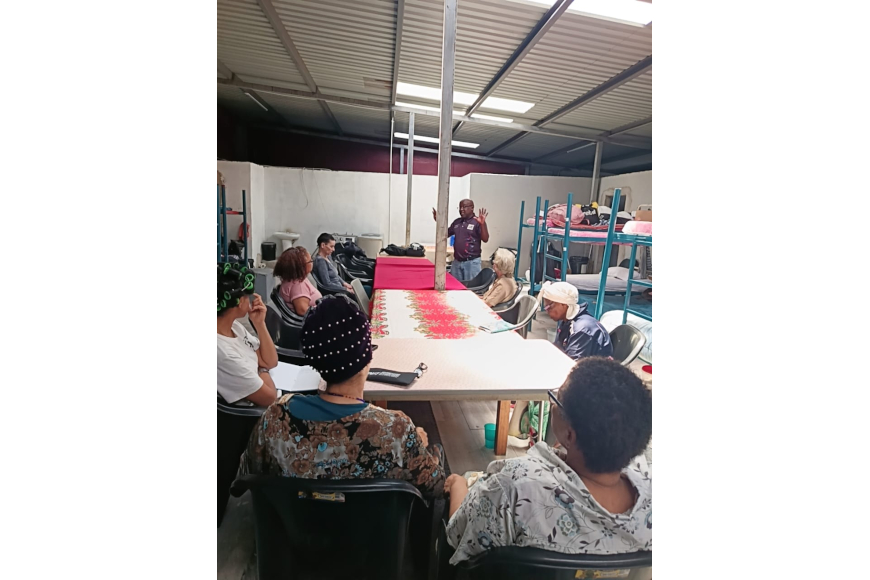
Following the successful community engagement initiative centred on a critical human resources skills development workshop for the homeless in 2023, the Durban University of Technology’s (DUT) Department of Human Resources Management recently partnered with the Department of Marketing and Retail Managemeent to provide human resource management, labour law, entrepreneurship, and marketing skills to residents at the Kickstart Homeless Shelter in Durban.


Aligned with the DUT ENVISION2030 Values Framework, the workshops focused on making a meaningful impact in society through human resource management, labour law, entrepreneurship, and marketing skills to assist them in joining the workforce or starting small businesses and leaving the shelter and lives of poverty behind.


DUT lecturer Mrs Humairaa Mohammed coordinated the week-long programme, which included presentations by DUT lecturers on Entrepreneurship by Ms Patience Mutsvairigwa, Basic Labour Law by Mr Eugene Makhoba, Work Preparedness by Dr Pauline Eyono, Basic Marketing by Dr Tessa Reddy, and Dr Sandile Mkhize, as well as Values in the Workplace by Mr Kudzai Nigel Makuwe.


Speaking on this year’s programme, Mrs Mohammed mentioned that in 2023, they focused on human resource management, labour law, and basic financial literacy. However, this time around, they decided to include entrepreneurship and marketing because some of the residents within the shelter are trying to start businesses or are talented and need to learn how to market themselves and their products.


“For example, one woman makes her own cleaning products, and another is an exceptional painter. They needed the skills to market themselves and their products. We partnered with the Department of Marketing and Retail Management for this request from the Shelter,” she said.


She mentioned that this initiative shows the institution’s commitment to giving back to the community and upskilling citizens who have no way of attaining formal education due to their circumstances.


“Those residents who are seeking jobs will benefit from our human resource management workshops, which teach them how to prepare for entry into the labour market, behave as professional employees, and understand their rights as employees. Those who are starting their own businesses will benefit from the lessons in entrepreneurship and marketing,” said Mohammed.


She added that the participating residents will receive certificates of attendance from DUT, which they can include in their CVs, and can help them find employment, earn an income, and leave the shelter to lead normal lives as productive members of society.


Pictured: Attendees at the workshop.


Thulasizwe Nkomo


https://www.dut.ac.za/dut-department-of-human-resources-management-partners-with-the-department-of-marketing-and-retail-management-to-provide-skills-development-to-homeless-people/


DUT AND FNB EMPOWER STUDENTS THROUGH FINANCIAL LITERACY


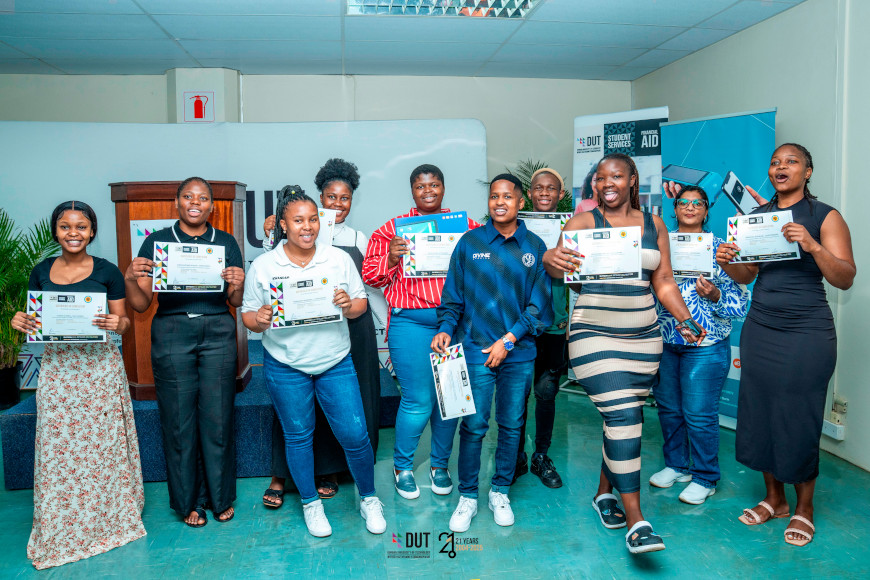
The Durban University of Technology (DUT) Financial Aid unit in collaboration with First National Bank (FNB), recently hosted a highly impactful Financial Literacy Workshop, followed by a certificate handover ceremony at the Financial Aid offices, Steve Biko Campus. The initiative, which ran over three days, was designed to empower students with the critical skills needed to manage their finances effectively.


The workshop, facilitated by Mr Senzo Myeni from FNB, covered a wide range of practical financial topics including budgeting, saving, investing, managing credit, and making informed financial decisions. These life skills are essential not only for students during their academic journey but also as they prepare for the financial responsibilities of adulthood and professional life.


In her welcoming remarks, Financial Aid Counsellor, Ms Zandile Ngubelanga, congratulated the students and highlighted the long-term impact of the training.


“By attending this workshop, you have taken an important step forward towards gaining practical knowledge in key areas such as understanding my money, growing my money, and managing credit. These are skills that will benefit you well beyond your academic years. Today, we celebrate not only the completion of this programme but also your commitment to building stronger, smarter financial futures,” shared Ms Ngubelanga.


Representing FNB, Mr Myeni inspired students with a powerful message about the importance of financial literacy. He explained that FNB’s purpose goes beyond marketing or signing up clients, and that the bank is deeply committed to empowering young people to make wise financial choices.


“We are celebrating more than just the end of a course, we also celebrate the beginning of a new chapter in your lives. Money is a powerful tool, and it can either control us or empower us. The difference lies in the choices we make. Good financial decisions build freedom and opportunity, while poor ones can create stress and dependency. Financial literacy is not about getting rich, it is about creating a secure and sustainable future for ourselves, our families, and our communities,” Mr Myeni explained.


He further encouraged students to make everyday money choices carefully from how they budget for food and entertainment, to how they save for long-term goals  and reminded them that the sustainable futures they envision begin with the financial decisions they make today.


Xoliso Dlamini received a tablet for her testimonial.

The event also featured heartfelt student testimonials, where participants reflected on the knowledge they had gained and the confidence it had given them in managing their finances. Xoliso Dlamini, a third-year Diploma in Marketing student who received a tablet for her outstanding testimonial, expressed her gratitude.


“I would like to sincerely thank DUT and FNB for making this short course possible. The workshop has opened my eyes to the importance of managing money wisely. I now feel more confident about budgeting, saving, and planning for the future. These lessons will stay with me for life, and I am truly grateful for the opportunity,” she said.


The ceremony closed on a celebratory note, with certificates awarded to all participating students as recognition of their effort, participation, and dedication to learning. Both DUT and FNB reaffirmed their commitment to continue equipping students with financial literacy skills, ensuring that they are empowered to make informed financial decisions and contribute positively to society.


The initiative not only marked the end of a successful programme but also laid the foundation for a generation of financially informed and empowered graduates.


Pictured: DUT sudents receiving their certificates after completing FNB short course.


Photographer: S’bonelo Dlamini.


Sinamile Sithole


https://www.dut.ac.za/dut-and-fnb-empower-students-through-financial-literacy/


SAP AWARDS R2.5 MILLION IN BURSARIES TO DUT STUDENTS


The Durban University of Technology’s, Faculty of Accounting and Informatics hosted a special bursary beneficiary meeting on 21 July 2025 at the 4IR Lab, Ritson Campus.


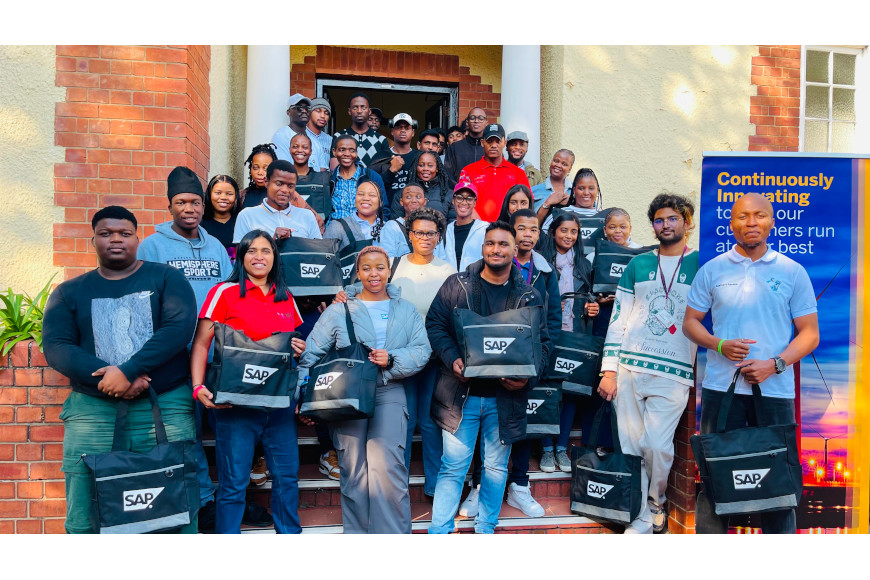
The Systems, Applications and Products in Data Processing (SAP) , a global software company, awarded bursaries worth R2.5 million to 36 deserving students. The bursaries will assist students by covering their tuition fees and accommodation.


The event was attended by SAP representatives Mrs Rochelle Blaauw (Transformation Manager), Ms Sharon Phali (Transformation Associate), and Mr Siphesihle Mngomezulu (Transformation Associate). DUT staff members Mrs Ugeshni Moodley and Mr Fanie Ndlovu, both Faculty Technicians, were also present to support the students.


In addition to the bursary awards, SAP representatives delivered a presentation on the wide range of career opportunities within the organisation. This session gave students valuable insights into the industry and encouraged them to consider their future career paths within the company and the broader tech sector.


One of the highlights of the event was the announcement that one of the bursary beneficiaries, who had been supported by SAP throughout her studies. She has started her internship with the company on 1 August 2025. Her journey is a powerful example of how industry support can open real doors for students and lead to employment opportunities.


As a gesture of support and appreciation, each bursary recipient also received a gift pack from SAP.


Pictured: DUT bursary beneficiary students with SAP representatives.


Siphokazi Dlamini/Bongumenzi Khuzwayo

https://www.dut.ac.za/sap-awards-r2-5-million-in-bursaries-to-dut-students/

FINANCIAL AID UNIT HOSTS TRANSFORMATIVE BURSARY DAY TO CONNECT STUDENTS WITH FUNDING OPPORTUNITIES AND EMPOWER THEIR ACADEMIC JOURNEYS


The Financial Aid unit at the Durban University of Technology (DUT) recently hosted a highly impactful and engaging Bursary Day event at the Fred Crookes Sports Centre, Steve Biko campus in Durban. The purpose of this initiative was to connect students with a wide range of funding partners and sponsors who are committed to supporting the academic journeys of financially disadvantaged yet deserving students enrolled at DUT.


This event reflected DUT’s proactive approach to addressing financial challenges that continue to hinder access and success in higher education. Students were offered a platform to directly engage with potential sponsors and gain insight into the various bursaries, scholarships, and funding opportunities available to them. In addition, it provided a space for DUT to demonstrate its continued alignment with its ENVISION2030 strategy, which promotes student empowerment, innovation, and community transformation.


Students came out in numbers to attend the Bursary Day event.

The event commenced with a warm welcome from the Dean of Students, Dr Clement Moreku, who expressed appreciation on behalf of the institution to everyone in attendance, including sponsors, students, university staff, and stakeholders. He commended the Financial Aid unit for its pivotal role in acting as a bridge between funders and students, and for continuously ensuring that support reaches those most in need. He emphasised that education was not just a personal pursuit but a collective investment in the future of communities and the country at large.


Financial Aid Manager, Mr Absolom Manashe extended his gratitude to all students, sponsors, and stakeholders present. In his speech, he acknowledged the hard work that went into planning the event and praised the commitment of all departments/units involved. He gave a special thanks to long-standing partners such as the Environmental Research Institute, BASF South Africa, and the Hollywood Foundation, among others, for their continued dedication to improving student success and wellbeing.


Manashe took the opportunity to announce exciting new developments in DUT’s financial support offerings. Among these is a newly approved undergraduate scholarship scheme aimed at rewarding academic excellence. He revealed that plans are underway to extend this support to postgraduate students in the near future, allowing even more students to benefit. Additionally, he introduced a Financial Business Programme designed to equip students with essential financial literacy and money management skills.


Furthermore, Manashe encouraged donors to uphold standards such as the 65% academic performance requirement, explaining that such expectations not only promote discipline and commitment but also increase the institution’s overall graduation rates. “Let us continue to work together to ensure that no student is left behind due to financial constraints,” he concluded.


Senior Financial Aid Counsellor, Keshan Govender, shared Student Testimonials and the Wall of Fame. He stated that sponsors are not merely funders but changemakers, dream enablers, and partners in transformation. He illustrated how bursaries and scholarships were not just financial lifelines, but powerful tools that restored dignity, nurtured aspirations, and created pathways to sustainable futures. Aligning his message with DUT’s ENVISION2030, Govender praised how each bursary reflected real-time action in pursuit of empowerment through education.


Representing the student voice, Student Representative Council (SRC) member, Ms Fezeka Majombozi delivered a heartfelt and emotional message of appreciation on behalf of all DUT students. She expressed deep gratitude to every sponsor, stakeholder, and staff member whose presence and contribution made the event possible. “The event was not just a celebration of support, but a recognition of the people and partnerships that make our dreams possible,” she said.


Majombozi emphasised that funding was more than just money it was a powerful declaration of faith in young people’s potential and in the transformative impact of education. She shared how many students have faced severe challenges in pursuing their academic goals, and how the generosity of sponsors has helped them persevere.


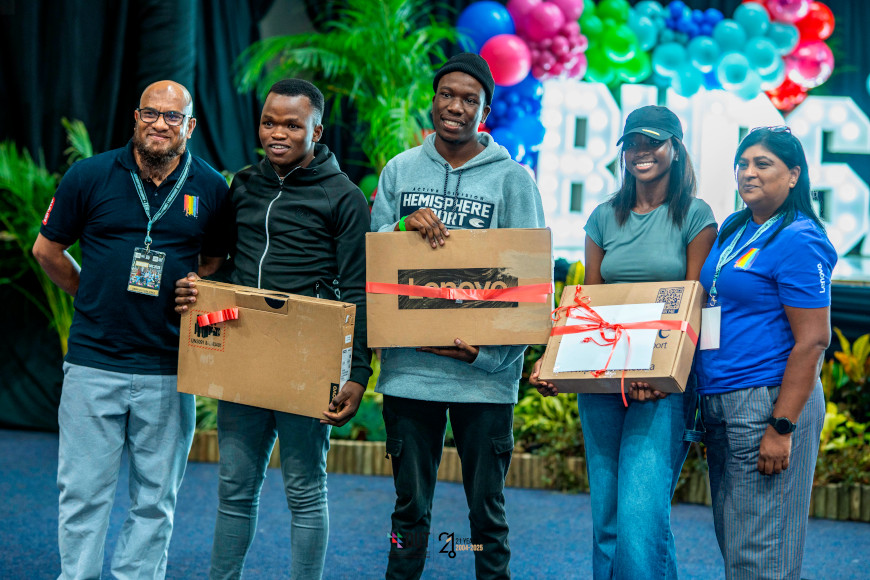
Sponsors were each given an opportunity to present their available bursaries, including detailed criteria and application procedures. This allowed students to ask questions and directly connect with representatives from organisations such as Kingdomslot, Hollywood Foundation, Lenovo, Naacam, National Disaster Management, and many others.


To add excitement and student spirit to the formal proceedings, entertainment acts were performed between speeches. These performances, delivered by DUT students, brought energy and creativity to the space, celebrating student talent while keeping attendees engaged. Sponsors also asked questions to the audience based on the information they had shared. Students who answered correctly walked away with valuable academic tools, including laptops, tablets, and other resources to support their studies.


Senior Financial Aid Counsellor, Thobeka Nzuza delivered the official vote of thanks. She extended sincere appreciation to all who contributed to the success of the Bursary Day, from the sponsors, DUT leadership to the student volunteers and organising teams.


Photographer: S’bonelo Dlamini

Sinamile Sithole

https://www.dut.ac.za/financial-aid-unit-hosts-transformative-bursary-day-to-connect-students-with-funding-opportunities-and-empower-their-academic-journeys/

FINANCIAL AID HOSTED THE 2025 NSFAS DISABILITY ROADSHOW FOR INCLUSIVE FINANCIAL SUPPORT


The Financial Aid unit at the Durban University of Technology (DUT) recently held the 2025 National Students Financial Aid Scheme (NSFAS) Disability Roadshow at the Ritson campus Hall in Durban.


The aim of the roadshow was to educate students on NSFAS eligibility criteria and conditions. Raise awareness and provide relevant information to students with disabilities about the funding opportunities from NSFAS.


Welcoming the guests, the Financial Aid unit Manager at DUT, Mr Absolom Manashe, said that the roadshow was not just an event, but an opportunity for funders to meet the students and to assist and support them throughout their academic years.


“I hope you are going to gain so much knowledge from this roadshow. This is an opportunity to engage with you and listen to your concerns. This is a chance for you to be aware of the funding opportunities and support catered for you. We are here to listen to your frustrations and assist each other,’’ he added.


NSFAS official, Ms Ielhaam Tafari briefly detailed the guidelines on funding eligibility for students. She presented all the processes that needed to be followed by students when applying for funding, including the financials, benefits, durations, terms and conditions.


“Amongst other requirements is that a student must submit a disability annexure together with a thorough medical report from a practitioner accredited with the Health Professional Council of South Africa in order to receive funding under NSFAS disability,’’ she highlighted.


Ms Ayanda Nsele from the Disability Right unit outlined the funding opportunities and assistance offered to students. She urged students to feel free and not be afraid to voice out their concerns to them.


“Our doors are always open to assist those in need. We will always go above and beyond in trying to pave the way for DUT community in excelling on aiding for students. That is what we are here for, to provide all necessary support,” she explained.


The Financial Administrative Assistant in Durban, Ms Sphumelele Dladla highlighted the academic eligibility criteria. Including a South African citizenship, a full-time registered student and academic performance.


“Students studying at DUT will be judged on their academic performance. Continuing students will have to progress to the next level to qualify for bursary. New first year students will be awarded bursaries based on successful registration for a funded qualification,’’ she said.


DUT Students Representatives Council (SRC) Financial Officer, Mr Sihle Nkosi also assured the students that as the SRC they will support them throughout their academics. He pleaded with students to take advantage of the support and opportunities offered to them.


Students were given an opportunity to voice their concerns and asked burning questions to the officials and they showed interests while engaging with guest speakers.


Financial Aid Counsellor at DUT, Mrs Zandile Ngubelanga appreciated the guests, her team and everyone who attended the event.


Photography: DUT Multimedia.


Pictured: Financial Aid Unit Manager at DUT, Mr Absolom Manashe addressing the students at the NSFAS Disability Roadshow.


Photography: DUT Multimedia.


Vukani Langa

https://www.dut.ac.za/financial-aid-hosted-the-2025-nsfas-disability-roadshow-for-inclusive-financial-support/

DUT AARU APPEALS FOR DONATIONS TO ADDRESS STUDENT FOOD INSECURITY


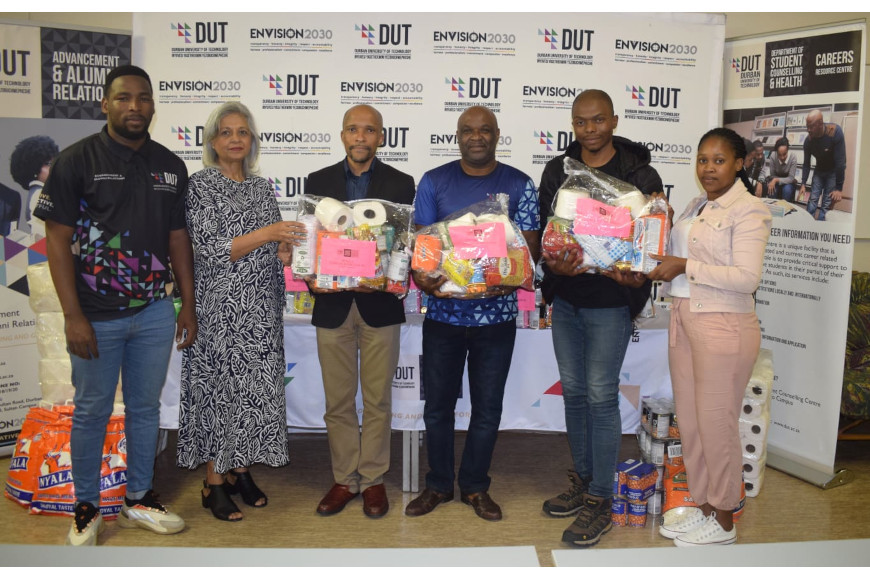
The Advancement and Alumni Relations unit (AARU) at the Durban University of Technology (DUT) is appealing to potential individuals and organisational donors for financial support and non-perishable food items on their 450 Campaign aimed to tackle food insecurity amongst DUT students.


Many students face significant financial barriers, making it difficult for them to access regular, nutritious meals. This impacts their academic performance, overall well-being, and ability to focus on their studies.


Considering the critical issue of food insecurity faced by many students within the DUT community, in 2024 AARU implemented this initiative to address this challenge head-on.


Elaborating more on this significant initiative the Advancement and Alumni Relations Coordinator, Ronelle Lyson said that this initiative is designed to provide immediate relief to those students who are facing hunger.


“The primary objective of this project is to alleviate food insecurity among students of DUT by distributing food hampers. Therefore, we are reaching out to compassionate individuals and organisations to help us make a tangible difference. With a donation of just R450, you can help feed a student for a month. At DUT we believe that every student deserves the opportunity to succeed academically and personally, but for many, the challenge of securing adequate nutrition is a barrier to their well-being and performance,’’ she elaborated.


The 450 Campaign aligns with DUT’s Phakimpilo Food Security Programme, a broader institutional effort that recognises food insecurity as a pressing social issue affecting many South African households, including those within the DUT community. Phakimpilo works with civil society partners to assist students who have not received financial aid or are awaiting funding, ensuring that no student is left without essential resources for their survival and success.


Furthermore, this campaign a MACE Award at the MACE Excellence Awards in 2024 for outstanding performance among practitioners in marketing, advancement and communication in the higher education sector.


This initiative is open to both undergraduate and postgraduate students who are facing food insecurity. While the campaign primarily supports undergraduate students, postgraduate students in need are also eligible to receive assistance. The initiative ensures that any DUT student experiencing food insecurity can access support, regardless of their academic level.


Students who wish to benefit from the 450 Campaign must meet the following requirements:


-Experiencing Food Insecurity

-Registered DUT Student

-Referral and Verification Process -Beneficiaries are identified and approved through Student Counselling, ensuring that support reaches those most in need.


All financial donations will qualify for S18A Tax Certificates. Alternatively, you may choose to donate non-perishable food items such as rice, sugar, cooking oil, canned goods, and more.


The banking details for donations:


Standard Bank Account name: DUT Donor Funding Branch Code: 051001, Acc Number:050239007, Reference: cell no. 450Campaign.


Should you have any questions or require further information on how you can contribute, contact Ms Ronelle Lyson on ronellel@dut.ac.za.

Picture: Supplied.


Vukani Langa

https://www.dut.ac.za/dut-arru-apeals-for-donations-their-address-student-food-insecurity/