RESEARCH
ADVANCEMENT

SDG2 Zero Hunger


2026

DUT PARTNERS WITH SHOPRITE CHECKERS TO STRENGTHEN STUDENT NUTRITION SUPPORT


The Durban University of Technology (DUT) Advancement and Alumni Relations Unit has partnered with Shoprite Checkers to support the Meals 4 Good Initiative, a programme aimed at addressing food insecurity among students.


Food insecurity remains a significant challenge for many university students, often affecting their academic performance, wellbeing, and overall university experience. The Meals 4 Good Initiative was established to provide consistent support by ensuring that students have access to at least one nutritious meal each day.


As part of the collaboration, Shoprite Checkers has contributed a gift card to assist with the programme. The funding will be used to purchase food supplies, enabling the preparation and distribution of meals through the DUT Hotel School, which plays a central role in delivering the initiative.


Students who benefit from the programme are identified through DUT Student Counselling and Health services, ensuring that support reaches those most in need.


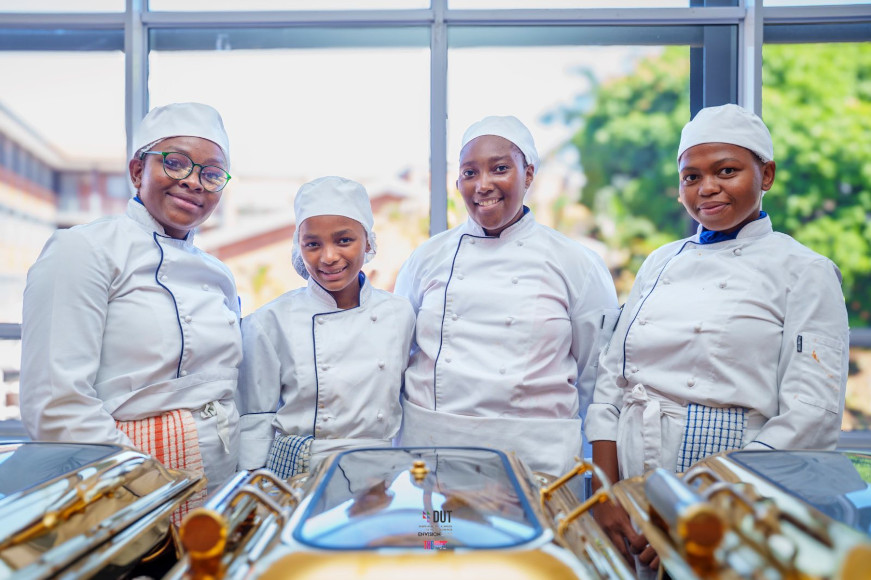
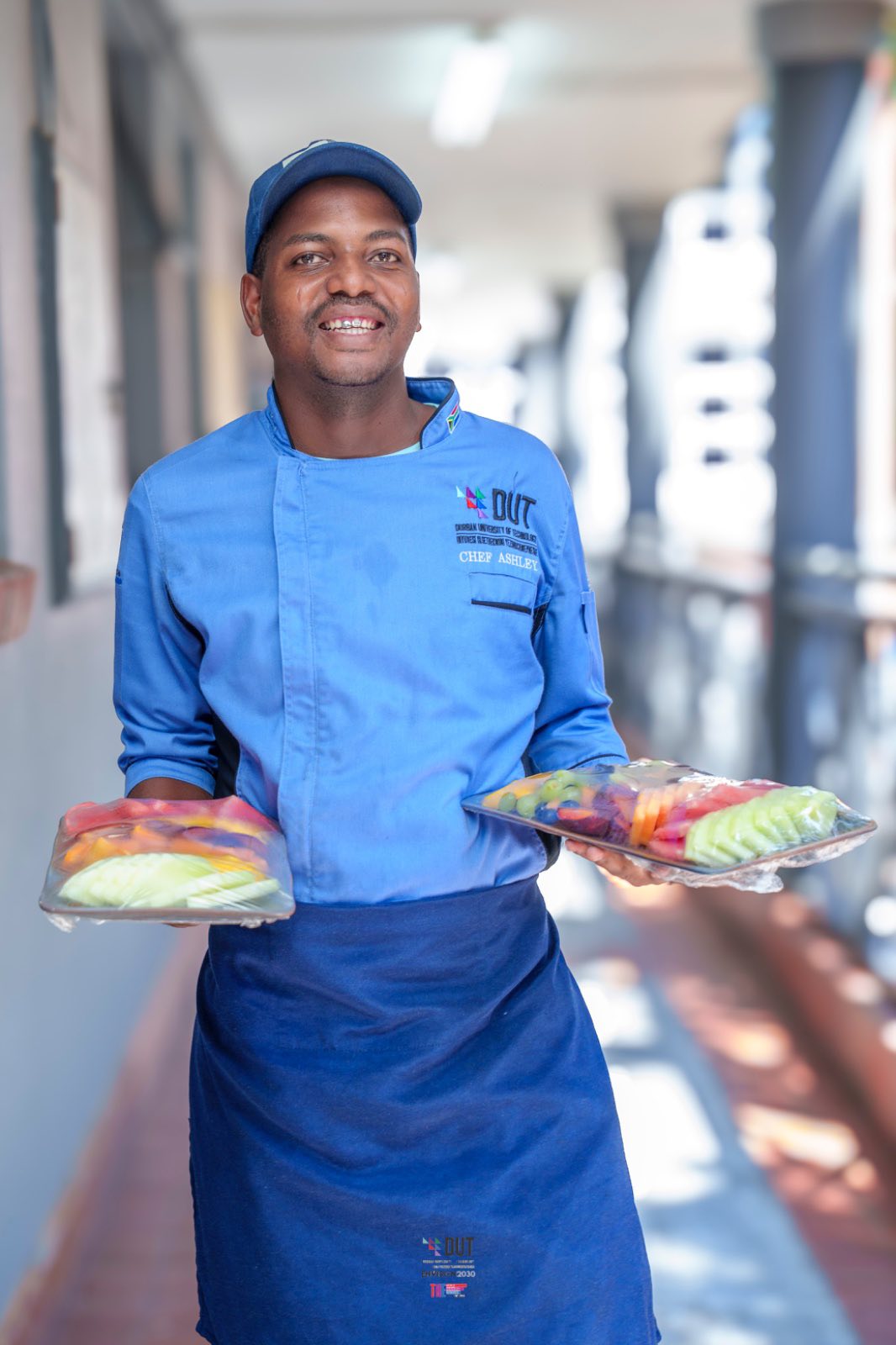
Through this initiative, the DUT Hotel School prepares nutritious meals for students, helping them to focus on their studies without the added burden of food insecurity. The partnership highlights the important role that corporate organisations can play in supporting higher education institutions and contributing to student success.


The DUT Advancement and Alumni Relations Unit continues to collaborate with partners and stakeholders to mobilise resources that enhance student wellbeing and academic achievement. This partnership with Shoprite Checkers marks a meaningful step in strengthening community collaboration for the direct benefit of students.


The university encourages other organisations and alumni to partner in initiatives that uplift and empower students. Through collective efforts, programmes such as Meals 4 Good can continue to make a lasting impact across the DUT community.


Pictured: DUT Hotel School prepares nutritious meals for students.


Swelihle Shoba

https://www.dut.ac.za/dut-partners-with-shoprite-checkers-to-strengthen-student-nutrition-support/

RESEARCH NEWS: PROF AMONSOU’S APPOINTMENT AS SARCHI CHAIR WILL ELEVATE DUT’S CONTRIBUTION TO NATIONAL AND GLOBAL FOOD INNOVATION


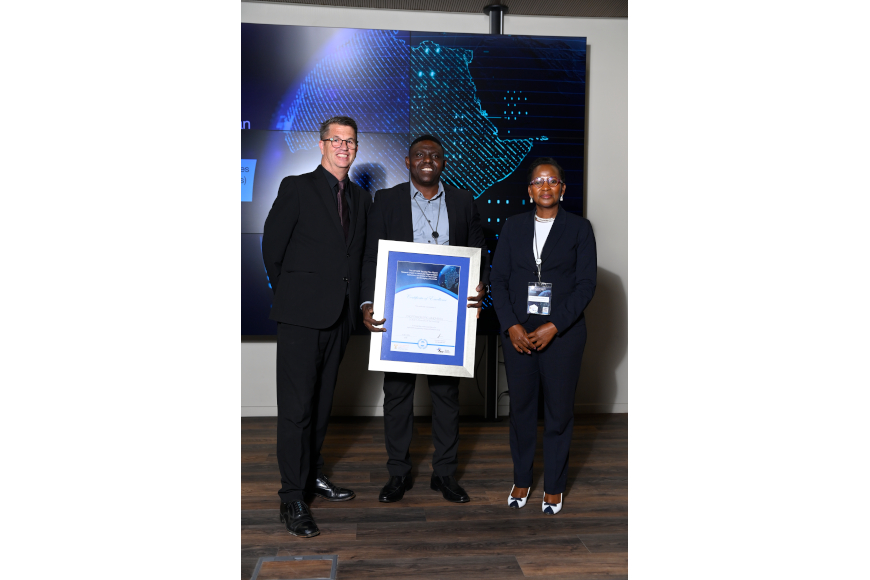
Professor Eric Oscar Amonsou, a Full Professor of Food Science at the Durban University of Technology  (DUT), is excited about his recent appointment as NRF SARChI Tier 1 Research Chair in Sustainable Protein Innovation.


This prestigious appointment was announced as part of initiative to boost research capacity at South African universities.


Prof Amonsou’s research journey began in Benin, where he had worked as a researcher at the National Institute of Agricultural Research before pursuing postgraduate studies in Food Science in Ghana and South Africa.


Since joining DUT in 2013, he focused on food chemistry, food processing, and the characterisation of proteins and polysaccharides from underutilised crops.


Over time, he became increasingly aware of the challenges facing global food systems, particularly the need for sustainable, nutritious, and affordable protein sources. This inspired his transition toward alternative proteins, including pulse grains, fungal proteins, and insect proteins, which now form the foundation of his research programme.


Being appointed as a SARChI Chair at DUT is both a tremendous honour and a significant responsibility for him. “Personally, it represents the culmination of many years of dedication to research, teaching, and mentorship. Professionally, it provides a unique opportunity to build a strong research programme that addresses critical challenges in food and nutrition security,” he shared.


Prof Amonsou also indicated that it is a recognition of the collective efforts of his students, colleagues, collaborators, and DUT, which has provided an enabling environment for research excellence.


“I see this SARChI Chair position as a platform to elevate DUT’s contribution to national and global food innovation while creating opportunities for future generations of scientists.,” he emphasised.


Sharing further on his role, Prof Amonsou highlighted that the SARChI Chair position focuses on sustainable protein innovation through four interconnected pillars such as plant proteins, mycoprotein, insect protein and advanced food design, scale-up and commercialisation.


 “These pillars are integrated through food chemistry, processing technologies, product development, and commercialisation pathways,” he expressed.


In terms of how his work responds to South Africa’s Decadal Plan for Science, Technology and Innovation; Prof Amonsou divulged that his research aligns strongly with South Africa’s Decadal Plan, particularly its focus on food security, the bioeconomy, sustainable industrialisation, and inclusive economic growth.


“The SARChI Chair position contributes by developing locally sourced protein ingredients, reducing dependence on imported proteins, supporting value addition to indigenous crops, and creating new opportunities within the agri-food sector. Through innovation, skills development, and industry partnerships, we aim to translate scientific discoveries into tangible socio-economic benefits,” he added.


Over the next decade, Prof Amonsou aims to establish South Africa as a leader in sustainable protein innovation. “Specifically, I would like to see new protein ingredients and food products entering the market. Commercialisation of locally developed technologies, increased value addition to African crops and agricultural by-products. New start-ups and spin-off companies emerging from research outputs.


“Job creation across the food innovation value chain; and  improved nutrition and food security in vulnerable communities.Ultimately, success will be measured not only by publications but by technologies adopted, businesses created, and lives improved,” shared Prof Amonsou.


His research addresses local challenges in KwaZulu-Natal and beyond. “KwaZulu-Natal faces significant challenges related to food insecurity, unemployment, malnutrition, and agricultural sustainability. “Our research addresses these challenges by developing affordable protein solutions from locally available resources such as pulse grains, food processing by-products, fungi, and insects. We also work closely with farmers, industry, government agencies, and communities to ensure that our innovations are practical, scalable, and relevant to local needs,” he explained.


 The knowledge, relayed Prof Amonsou, generated in KwaZulu-Natal can be adapted and transferred across South Africa and the broader African continent.


“Human capital development is one of the most important objectives of the SARChI Chair position. We will provide postgraduate students and postdoctoral fellows with access to state-of-the-art facilities, multidisciplinary research projects, international collaborations, industry exposure, and entrepreneurship training,” he added.


Throughout his career, he has successfully supervised 12 Master’s and 10 PhD graduates, and he looks forward to expanding this contribution through the Chair.


The strategies he aims to use to attract and retain young talent in his field are young researchers who are increasingly motivated by opportunities to  address  and solve global  challenges. “We will attract talent by providing access to cutting-edge research areas such as alternative proteins, biotechnology, food innovation, and sustainability. We will also offer mentorship, research scholarships, industry engagement, international mobility opportunities, and entrepreneurship pathways that allow students to see clear career prospects beyond graduation,” he explained.


Prof Amonsou plans to mentor the next generation of researchers, particularly from underrepresented backgrounds as he strongly believe that talent is universal, but opportunities are not always equally distributed.


His mentorship philosophy is based on inclusion, empowerment, and excellence.


“The SARChI Chair position will create an environment where students from diverse backgrounds can thrive through structured mentorship, research training, leadership development, and networking opportunities. “I want students not only to become excellent researchers but also future leaders, innovators, and entrepreneurs who contribute meaningfully to society, he said.


In relation to his research contributing to innovation, entrepreneurship, or commercialisation; he explained that these are central components of his research programme. Over the years, he has led projects that resulted in intellectual property development, technology transfer activities, and prototype products for commercialisation. Prof Amonsou also founded INOFID, a DUT-linked spin-off company focused on innovative food solutions.


“The Chair will strengthen this trajectory by supporting technology development, product prototyping, industry partnerships, and start-up creation, ensuring that research outcomes translate into economic and societal value,” he shared.


By 2030, Prof Amonsou sees DUT emerging as one of Africa’s leading universities in applied research and innovation, particularly in sustainable food systems, biotechnology, and alternative proteins.


“With strategic investments in infrastructure, research chairs, postgraduate development, and international collaborations, DUT has the potential to become a globally recognised hub for sustainable protein research and food innovation,” he relayed.


For Prof Amonsou, success would mean that his position has created a lasting legacy.


“This includes producing highly skilled graduates, establishing internationally recognised research excellence, developing commercially viable technologies, attracting significant research investment, strengthening industry partnerships, and contributing to food and nutrition security,” he shared.


Most importantly, for Prof Amonsou, success would mean that his SARChI Chair position has helped position South Africa and DUT as global leaders in sustainable protein innovation while creating meaningful benefits for communities, industry, and future generations.


Pictured: Professor Eric Oscar Amonsou


Waheeda Peters

https://www.dut.ac.za/research-news-prof-amonsous-appointment-as-sarchi-chair-will-elevate-duts-contribution-to-national-and-global-food-innovation/
WHEN LOVE BECOMES ACTION: HOW ONE EVENING HELPED OUR STUDENTS BLOSSOM


On a warm February evening, the lights dimmed and laughter filled the room as alumni, students, staff and friends of the Durban University of Technology (DUT) gathered for a movie night. It was a powerful demonstration of what a community can achieve when united behind a shared purpose.


The Valentine’s Movie Night was supported wholeheartedly by DUT students, staff, alumni and friends of the University, each person contributing to something far greater than an evening of entertainment. Through the purchase of a ticket, they raised funds for the DUT Meals for Good campaign, an initiative created through a partnership between the Advancement and Alumni Relations Unit, the DUT Hotel School and Student Counselling.


Through this campaign, students in need receive one nutritious, freshly prepared meal and a bottle of water each day. For many students, this is not simply a meal. It is relief. It is dignity. It allows them to sit in a lecture hall and focus.


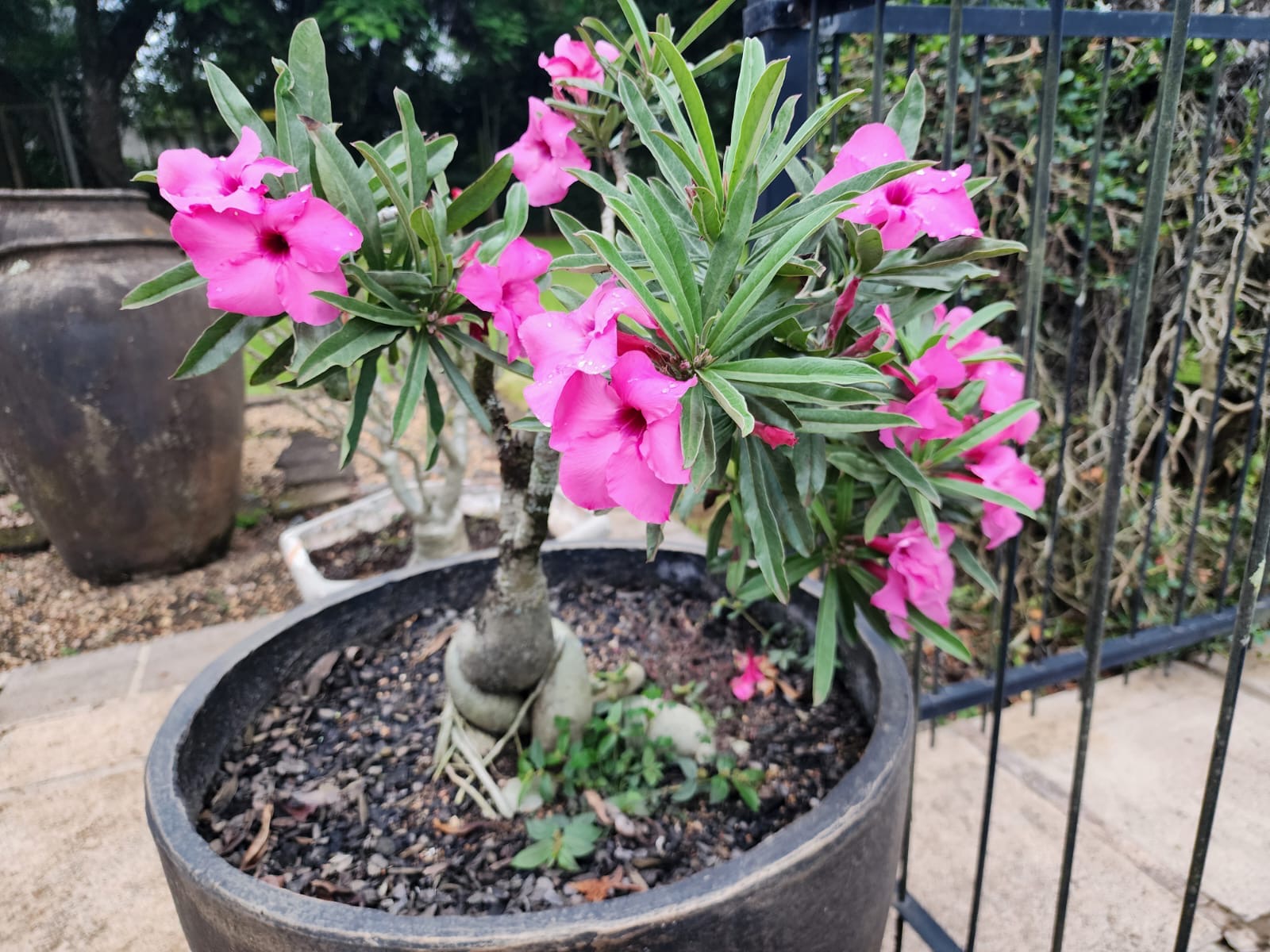
At the close of the evening, each attendee received an unblossomed desert rose plant, a small but deeply meaningful symbol of the night’s purpose.


Ms Ronelle Lyson, Alumni Relations Coordinator, reflected on its significance. She said, “The unblossomed desert rose represents our students. Just like this plant, they hold incredible potential within them. Through the DUT Meals for Good campaign, we are not simply providing a meal; we are creating the conditions for growth, dignity and success.”


Pictured: A pot plan unblossomed and blossomed which signifies the growth of DUT students.

She added that the desert rose is known for its resilience. It can survive harsh conditions yet blooms most beautifully when nurtured. “Our students are no different. They arrive at DUT with ambition, talent and dreams, but hunger should never be part of their academic journey. Today’s students walk the same path as alumni did, some carrying the invisible burden of food insecurity,” she said.


The Valentine’s Movie Night was a reminder that love for the alma mater is not merely sentimental. It is active. It is intentional.


Ms Lyson concluded, “The need remains. Every contribution, whether once-off or ongoing, directly supports a student who may otherwise struggle in silence. By supporting the DUT Meals for Good campaign, you are not simply donating towards a meal; you are investing in academic success, restoring dignity and nurturing potential. Together, we can ensure that every student has the nourishment they need to blossom, to not simply survive but to truly thrive.”


Those who wish to support this initiative may contact Ms Ronelle Lyson at ronellel@dut.ac.za.


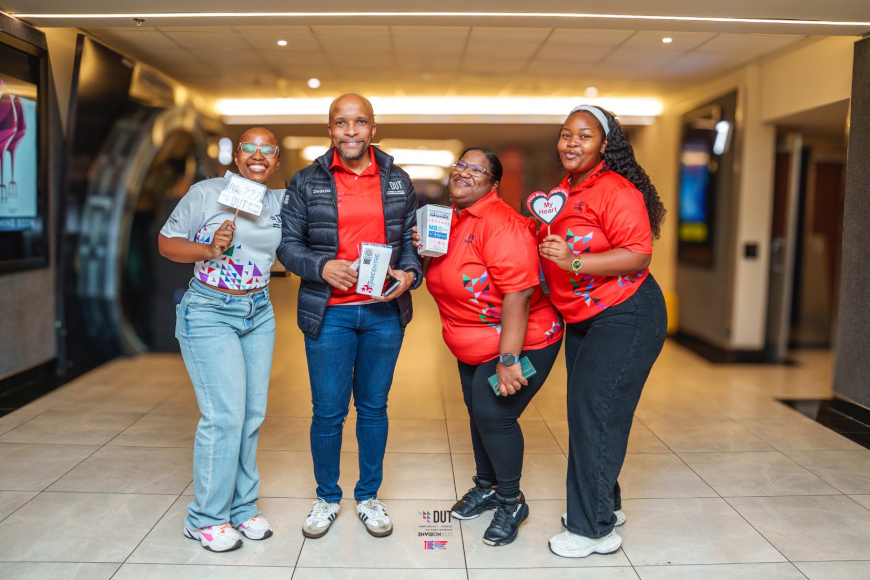
Pictured: The Advancement and Alumni Relations Unit at the Valentine’s Movie Night.


Ronelle Lyson

https://www.dut.ac.za/when-love-becomes-action-how-one-evening-helped-our-students-blossom/

WHERE LOVE MEETS IMPACT: DUT’S AWARD-WINNING VALENTINE’S MOVIE NIGHT AT SUNCOAST CINE CENTRE


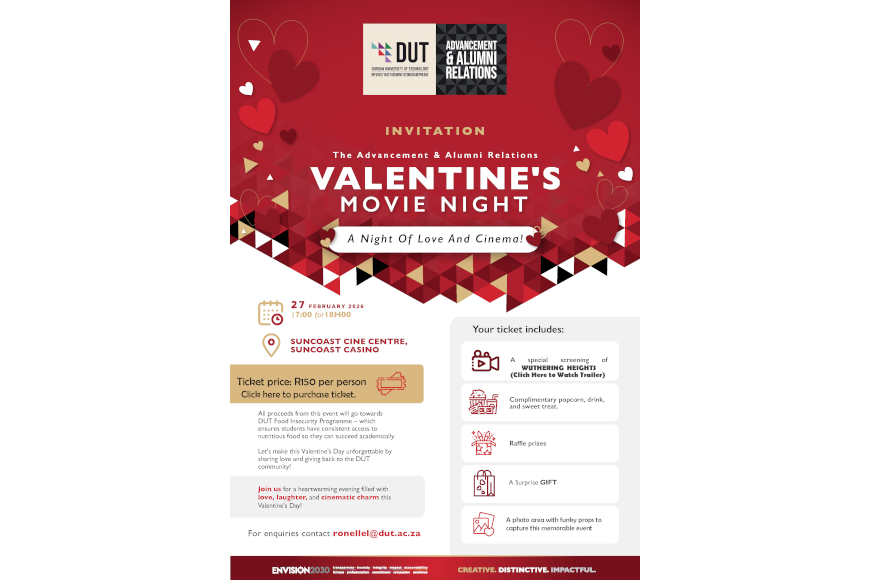
Durban is set to come alive with romance, film and philanthropy when the Durban University of Technology (DUT), through its Advancement & Alumni Relations Unit, hosts its annual Valentine’s Movie Night at Suncoast Cine Centre on 27 February 2026.


Guests during the 2025 Valentine’s Movie Night.

Now firmly established as a flagship event on the University calendar, the Valentine’s Movie Night has gained national recognition for its creativity and impact, having proudly received a Marketing, Advancement and Communication in Education (MACE) Award in 2025 for its innovativeness. The accolade underscores DUT’s commitment to imaginative alumni engagement and meaningful fundraising initiatives. The special evening promises more than just a cinematic experience. Designed as a fundraising initiative, all proceeds will be directed towards the Unit’s Meals for Good Campaign, the University’s food insecurity programme, which supports students in need.


Guests will enjoy a curated Valentine’s-themed experience in an intimate cinema setting, featuring a special screening of Wuthering Heights. The evening blends classic romance with a modern philanthropic purpose, creating a meaningful platform for alumni, staff, students and friends of the University to reconnect while contributing to an impactful cause. In addition to the film screening, attendees can look forward to complimentary popcorn, a drink and a sweet treat, exciting raffle prizes, a surprise gift, and a dedicated photo area with themed propsensuring the night is as memorable as it is meaningful.


Encouraging the DUT community and friends of the University to attend, Ms Ronelle Lyson, Alumni Relations Coordinator, said: “The Valentine’s Movie Night is more than just an evening at the cinema — it is an opportunity for the DUT community and our friends to come together in the spirit of love and giving. By attending, guests are not only sharing a memorable experience but are also directly contributing to initiatives that make a real difference in the lives of our students. We invite everyone to join us in celebrating connection, compassion and community.”


Speaking further to the spirit of the event, the Advancement & Alumni Relations Unit highlighted that the Movie Night reflects DUT’s continued commitment to innovative alumni engagement, while advancing social impact initiatives that directly benefit the University community.


The Valentine’s Movie Night will take place at Suncoast Cine Centre, Suncoast Casino, on 27 February 2026, with the programme commencing in the early evening. Tickets are priced at R150 per person, making the event accessible while maximising its fundraising reach.


By combining love, laughter and cinema with a strong philanthropic focus, DUT’s award-winning Valentine’s Movie Night serves as a powerful reminder that meaningful change can begin with a shared experience and a ticket to the movies.


Pictured: DUT’s Valentine’s Movie Night poster.


Advancement and Alumni Relations


https://www.dut.ac.za/where-love-meets-impact-duts-award-winning-valentines-movie-night-at-suncoast-cine-centre/


INDIGENOUS FOODS AND THE DECOLONISATION OF CURRICULA


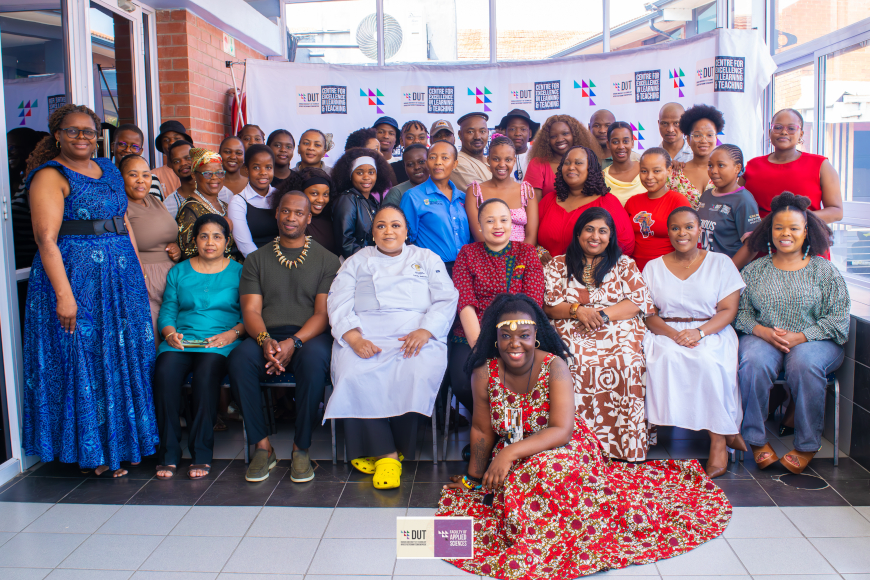
The Master the Art of Cooking Masterclass: Indigenous Foods and Sustainable Food Systems, hosted by the Centre for Excellence in Learning and Teaching (CELT) through the Epistemic Decolonisation UCDG Project 8, brought together academics, students, community partners and industry experts to explore the role of indigenous food knowledge in curriculum decolonisation, food security and sustainable food systems.


The workshop was delivered in partnership with Zandile Makhoba of Zandi The Chef International, the Department of Food and Nutrition Consumer Science, and the Department of Hospitality and Tourism. The partnership sought to demonstrate how decoloniality can be meaningfully embedded within higher education curricula through collaboration between academia and community-based partners. The participation of community practitioners, DUT students from the Department of Food and Nutrition Consumer Sciences and the Department of Hospitality and Tourism, Academic Development Practitioners from CELT, and academic staff created a space for engagement, dialogue and shared learning.


Day One focused on advancing indigenous food knowledge systems and food decolonisation. Facilitated by Zandile Makhoba, the sessions highlighted indigenous foods and community-based knowledge as important sources of learning, identity, health and sustainability. Dr Lisebo Mothepu further explored the role of food science in decolonisation, emphasising the importance of documenting indigenous food knowledge and acknowledging community practitioners as custodians of this knowledge.


On the second day, Dr Mheta from CELT welcomed participants and reflected on the goals and objectives of the Epistemic Decolonisation Project. In her address, she emphasised the importance of the collaboration between Zandi The Chef International, the Department of Food and Nutrition Consumer Science, the Department of Hospitality and Tourism, and CELT in demonstrating how decoloniality can be meaningfully integrated into the curriculum through collaborative teaching, learning and community engagement.


The day also featured presentations and panel discussions that examined the preservation of indigenous foods and the future of sustainable food systems. The panel comprised Dr Sthembile Ndwande, Mrs Seshini Gunpath, Mntwana Wiseman Zulu, Mphendulo Mbatha and Mbalentle Gwacela.


The discussions highlighted the importance of implementing Indigenous Knowledge Systems policies, preserving cultural heritage, supporting indigenous farming communities and ensuring that these communities share in the economic benefits generated from indigenous food resources. The sessions also emphasised the need to protect indigenous knowledge through appropriate documentation and language preservation.


Students from the Department of Food and Nutrition Consumer Science and the Department of Hospitality and Tourism, who had participated in the first day’s workshop, also took part in practical cooking activities. These activities demonstrated how indigenous ingredients can be incorporated into affordable, nutritious and sustainable everyday meals.


A major highlight was the presentation by Dr Lisebo Mothepu, titled Reclaiming the Kernel: Decolonial Paths in Cereal Science Pedagogy. Her presentation demonstrated how indigenous knowledge and climate-resilient African grains such as sorghum, teff, fonio and amaranth can contribute to more inclusive and transformative food science curricula. The workshop also showcased examples of curriculum innovation, including the annual African Food Festival presented by Dr Gangiah, which promotes African culinary heritage through experiential learning.


The workshop concluded with a graduation and pledge ceremony, reinforcing participants’ commitment to advancing indigenous food knowledge, sustainable food practices and curriculum transformation. Throughout the two-day event, participants were encouraged to recognise indigenous food systems as valuable sources of knowledge and innovation, while reflecting on their role in preserving African food heritage for future generations.


As emphasised by keynote speaker Zandile Makhoba, indigenous foods carry the stories, memories and identities of communities and should be documented, preserved and valued as an integral part of South Africa’s sustainable and inclusive future.


Ms Bwalya Lungu from the Centre for Excellence in Learning and Teaching (CELT) concluded the workshop by reflecting on the significance of strategic partnerships in advancing curriculum decolonisation. She emphasised that collaborations between academic institutions, communities and external stakeholders provide meaningful opportunities to integrate diverse knowledge systems into teaching and learning.


Pictured: Attendees at the event.


Sompisi Ntuli/Bwalya Nyangu Lungu/Waheeda Peters


https://www.dut.ac.za/indigenous-foods-and-the-decolonisation-of-curricula/


DUT AND CHINESE UNIVERSITY EXPLORE EXPANDED PARTNERSHIP IN SKILLS AND AGRICULTURAL TECHNOLOGY


A Durban University of Technology (DUT) delegation joined international academics in China as Fujian Agriculture and Forestry University (FAFU) marked its 90th anniversary with a conference focused on agricultural research, skills development and international cooperation.


The conference on high-quality development was held in Fuzhou on October 20, bringing together university leaders, academics, researchers, students and representatives of international partner institutions to reflect on the university’s achievements and future priorities.


The 14-member South African delegation, which included 10 DUT students studying Mandarin, attended the conference as part of the 2026 Chinese Bridge Winter Camp.


Led by DUT Confucius Institute(CI) director Frank Lin Wu, the delegation participated in a programme organised through the DUT CI and FAFU.


Wu said the delegation’s participation reflected more than a decade of cooperation between the two universities.


He described the students’ involvement in the anniversary conference and cultural performances as “not merely a ceremonial or protocol appearance”.


Wu said the partnership had developed beyond language teaching and cultural exchanges to include vocational training, agricultural technology, research and entrepreneurship.


The Confucius Institute was established through an agreement between DUT and FAFU in 2013 and formally began operating in 2014.


Over the years, its programmes have expanded to combine Mandarin language education with practical skills, including agricultural technology, e-commerce, artificial intelligence and entrepreneurship.


Wu said the anniversary celebrations provided an opportunity to strengthen the universities’ relationship and demonstrate how their cooperation could contribute to South African youth development.


“South African students can gain employable skills through joint training and ‘Chinese + skills’ programmes,” he said.


He explained that the institute had recommended students for Chinese Government Scholarships and university scholarships to pursue undergraduate and master’s degrees at FAFU and other Chinese institutions.


A joint PhD training model involving academic supervision from both universities had also been introduced.


Wu said the partnership was increasingly focused on combining Mandarin language education with skills that could improve students’ employment and business opportunities.


In KwaZulu-Natal, this included training in Juncao technology, which uses specially cultivated grasses for mushroom production, livestock feed and environmental protection.


DUT students who participated in mushroom production training during 2026 had expressed interest in using the skills to establish businesses, he said.


At the anniversary conference, FAFU president Xie Suyuan presented a report outlining the university’s contribution to agricultural education, scientific innovation and rural development over the past nine decades.


The institution traces its origins to agricultural education programmes established in 1936, while the present university was formed through the merger of Fujian Agricultural University and Fujian Forestry College in 2000.


According to the university’s anniversary report, it has trained approximately 350,000 people and developed 20 nationally leading technologies in specialised agricultural and forestry fields.


These include advances in mushroom cultivation, ratoon rice and forestry, with research aimed at improving agricultural productivity, addressing food security and supporting rural communities.


Fujian vice-governor Jiang Erxiong highlighted the university’s contribution to training agricultural specialists and advancing scientific research.


She called for greater efforts to develop highly skilled professionals, improve agricultural and forestry education and strengthen research that could address practical challenges facing farmers.


International academic cooperation was another focus of the conference.


Among the speakers was Heather Bruce, representing Canada’s Dalhousie University, who reflected on more than two decades of cooperation between the Canadian institution and FAFU.


The relationship has included joint academic programmes, research partnerships and student exchanges.


Bruce said these initiatives had “deepened the mutual understanding and friendship between faculty and students of our two universities”.


For the DUT delegation, the programme also provided an opportunity to learn about agricultural research with existing applications in KwaZulu-Natal.


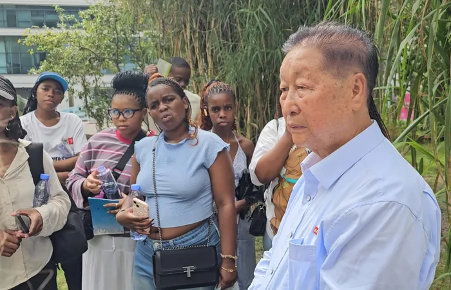
The students visited FAFU’s National Engineering Research Centre of Juncao Technology, where they met Professor Lin Zhanxi, the scientist who developed the technology.


DUT students meet Professor Lin Zhanxi, the scientist who developed Juncao technology, during the 2026 Chinese Bridge Winter Camp in China. Image: Karen Singh


Juncao technology has been introduced in KwaZulu-Natal through cooperation involving Chinese researchers and the provincial agriculture department.


In 2005, Lin and his team began working with the department on projects involving mushroom cultivation and dryland rice production.


The collaboration followed an earlier visit to the Juncao research institute by the late Zulu monarch, King Goodwill Zwelithini, in 2003.


Wu said the Confucius Institute launched a China–South Africa Juncao Demonstration Centre project in 2023, aimed at linking agricultural skills training with community development and poverty reduction.


He said the two universities could build on their existing cooperation through further research into livestock feed, mushroom processing and environmental rehabilitation.


The Confucius Institute has also proposed establishing a China–Africa joint laboratory focusing on areas such as agricultural engineering, food science and forestry.


Wu said the proposed laboratory could create opportunities for research collaboration, postgraduate training and the development of practical solutions to challenges facing KwaZulu-Natal’s agricultural sector.


Other potential areas of cooperation include vocational education, green development and entrepreneurship.


At the winter camp’s opening ceremony on 18 October 2026, Wu encouraged the visiting students to consider how their experiences in China could contribute to their studies and future careers.


“Think about what you are learning here, not only the language,” he told them.


He urged students to pay attention to the people they encountered, how they worked and what knowledge or skills they could take back to South Africa.


Wu said the next stage of the DUT–FAFU partnership had the potential to strengthen higher education cooperation while supporting skills development, research and economic opportunities in KwaZulu-Natal.


Pictured: South African culture takes centre stage as DUT students perform alongside Chinese students at FAFU’s anniversary celebrations.


Image: Supplied


Source: https://thestar.co.za/news/2026-11-10-dut-and-chinese-university-explore-expanded-partnership-in-skills-and-agricultural-technology/

https://www.dut.ac.za/dut-and-chinese-university-explore-expanded-partnership-in-skills-and-agricultural-technology/


2025

RECOGNISING DONORS FOR THEIR ROLE IN PHAKIMPILO’S FIGHT AGAINST STUDENT FOOD INSECURITY


The Durban University of Technology’s (DUT) Student Counselling and Health Unit recently hosted a recognition event to honour donors and supporters who contribute to the university’s student well-being initiatives, particularly the Phakimpilo food security programme. Held at Fred Crookes on the Steve Biko Campus, the event celebrated the partnership between the institution and its committed supporters.


Mrs Sooriagandhi Wardthen, Acting Director of Student Counselling and Health, welcomed esteemed guests, donors, and supporters, expressing her gratitude for their dedication and belief in every DUT student’s potential. She also emphasised that access to nutritious food is crucial for academic success, health, and overall well-being. Mrs Wardthen explained that Phakimpilo provides interim support to DUT students in the form of food parcels or vouchers.


“By supporting this initiative, donors have enabled the university to expand its efforts, helping more students to succeed. The vision for a future where no student goes hungry and every individual has opportunities to thrive was reiterated, the importance of collective efforts in achieving this goal,” she explained.


The Director of Advancement and Alumni Relations, Zwakele Ngubane, highlighted the national and global challenge of food insecurity among students, emphasising the importance of dignity and the role of Student Counselling and Health Services.


 He further praised the efforts of the Advancement and Alumni Relations unit in fundraising for bursaries and food access, including other initiatives and food drives. Ngubane acknowledged the ongoing struggle and expressed his gratitude for contributions, aiming for a future where all students can access food as a basic human right.


Ms Phumzile Monageng, a Careers Resource Officer shared the overview of the Phakimpilo programme, stating that phakimpilo has been instrumental in supporting students facing food insecurity. She indicated that in 2024, 784 applications were submitted, with most applicants being undergraduate students (79%), while postgraduates accounted for 20%. She further explained that applications came mainly from the Durban campuses (97%), with only 3% from Midlands.


“The programme allocated 341 vouchers in 2023, 330 in 2024, and 493 in 2025, with funding contributions from both the SRC and the Phakimpilo account. Additionally, food pantry packs were distributed through alumni donations. In terms of gender, 56% of beneficiaries were males and 42% females. Students came from diverse faculties, with the largest share from Management Sciences (32%) and Accounting and Informatics (29%),” she highlighted.


Menzi Ngubane, a student that benefited from phakimpilo shared his journey. He stated that it has helped him during tough times in his life. He further mentioned that he had started a business that will give back to the DUT community. Ngubane also praised DUT donors and supporters for continuing in supporting this programme with funds.


The event also featured certificate handovers to supporters and donors of Phakimpilo of which the recipients were DUT registrar, Dr Maditsane Nkonoane, Executive Dean of Faculty of Management Sciences, Professor Fulufhelo Netswera, Ms Ronelle Lyson, Golden Key DUT chapter, Student Representative Council (SRC), the Director of Advancement and Alumni, Zwakele Ngubane, and others.


Mr Sihle Mbanjwa expressed his heartfelt gratitude to donors for their contributions, which have significantly impacted the programme. He then explained the term “phakimpilo,”  which means to serve life, and a total of 34 individuals and groups were honoured for their contributions.


“The aim is to address food insecurity, aligning with university developmental goals,” said Dr Clement Moreku, Dean of Students. He further said: This programme cannot die and what we are starting to see now is how this initiative is growing and how the DUT community is also getting more involved. Each person is playing their part in making sure that the food insecurity gap within our institution is reached. Non-perishable food items can go a long way as well in assisting our students.”


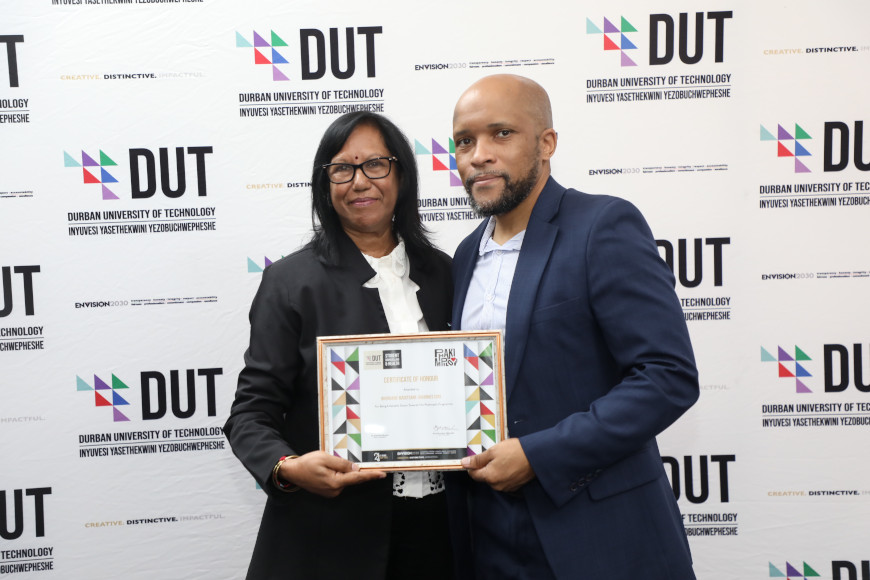
Pictured:Mrs Sooriagandhi Wardthen, Acting Director of Student Counselling and Health and the Director of Advancement and Alumni Relations, Zwakele Ngubane at the event.


Photography: Multimedia

Phiwayinkosi Sibiya

https://www.dut.ac.za/recognising-donors-for-their-role-in-phakimpilos-fight-against-student-food-insecurity/

DUT CONFUCIUS INSTITUTE CELEBRATES DUAL INTERNATIONAL SUCCESS IN INNOVATION FOR 2025

Nov 28, 2025


The Durban University of Technology (DUT) Confucius Institute has marked a year of outstanding international achievement, clinching third-place finishes in two prestigious global innovation competitions, underscoring its commitment to fostering cross-cultural collaboration and practical innovation.

July 2025 the Institute’s team triumphed at the African Regional Final of the China International College Students’ Innovation Competition (2025) in Nairobi, Kenya. This pioneering event, co-hosted by China’s Ministry of Education, saw extensive participation from 115 universities across Africa, with 185 innovative projects and 559 student entrants. After rigorous evaluations, 30 teams from 21 universities in 9 African countries advanced to the finals.

The DUT Confucius Institute team secured its third-place victory with the project “Rainbow Smart Agriculture: Promoting and Developing Juncao Technology in South Africa.” The project integrates the innovative Chinese-developed Juncao Technology, which uses specially selected grasses for mushroom cultivation, livestock feed, and ecological restoration with smart agricultural systems tailored to South Africa’s diverse environments using digital technology.


Reflecting on the experience, student representative Miss Nolwandle Duma said, “It was an eye-opening experience which made me aware of the amount of work and planning that goes into a business proposal and starting a business venture.”

Building on this continental success, the Institute then excelled at the 11th National University Medical Innovation Contest & 2025 “Belt and Road” International Finals at Shandong University in China in August. This landmark event in medical education, sponsored by leading institutions including Shandong University and Zhejiang University, reached a record scale this year. The international finals featured over 820 entries from 201 universities across 10 countries.


For this competition, the DUT Confucius Institute launched a new collaboration with Fujian University of Traditional Chinese Medicine (FJTCM). Their joint project, “Bridging Traditions Through Cross-Cultural Collaborations,” competed in the Academic Discipline: TCM Culture and Global Dissemination. The project’s focus on cross-cultural studies of TCM values aligns directly with the Institute’s core mission of innovating through practical exchange.


The team, comprising students Bongeka Thobeka Msomi (DUT Nursing), Yang Zhehan (FJTCM), and Zeng Zihanyan (FJTCM), worked tirelessly for over six months under the guidance of DUT Confucius Institute Director Lin Wu, Dr. Star Chen, and FJTCM’s Gao Hongjian, with support from DUT staff. Their brilliant performance culminated in another proud third-place victory.


Director Lin Wu emphasised the Institute’s broader mission, stating, “As a Confucius Institute, we are committed to supporting the youth and encouraging them to explore new opportunities to further themselves. These victories perfectly reflect the spirit of DUT’s ENVISION2030 Living Values Framework. Our focus on impactful youth development is a direct application of this framework, and our work is strategically aligned with the DUT plan. By focusing on this mission, we aim to create more platforms for young people to gain practical experience, develop their skills, and turn their dreams into reality.”

These back-to-back achievements in sustainable agriculture and medical innovation mark significant milestones for the DUT Confucius Institute. They highlight its successful role in promoting sustainable development, strengthening China-South Africa relations, empowering communities through innovation, and building collaborative platforms for youth exchange.

Pictured: Director Wu Lin Frank and Miss Nolwandle Duma, in Kenya.

Star Chen

https://www.dut.ac.za/dut-confucius-institute-celebrates-dual-international-success-in-innovation-for-2025/?utm_source=chatgpt.com


DUT AARU APPEALS FOR DONATIONS TO ADDRESS STUDENT FOOD INSECURITY

Feb 14, 2025


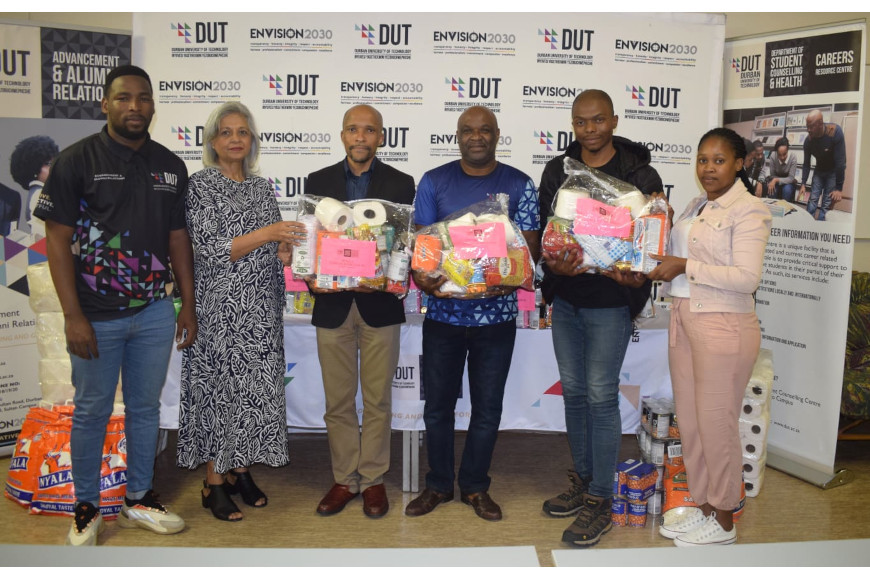
The Advancement and Alumni Relations unit (AARU) at the Durban University of Technology (DUT) is appealing to potential individuals and organisational donors for financial support and non-perishable food items on their 450 Campaign aimed to tackle food insecurity amongst DUT students.


Many students face significant financial barriers, making it difficult for them to access regular, nutritious meals. This impacts their academic performance, overall well-being, and ability to focus on their studies.


Considering the critical issue of food insecurity faced by many students within the DUT community, in 2024 AARU implemented this initiative to address this challenge head-on.


Elaborating more on this significant initiative the Advancement and Alumni Relations Coordinator, Ronelle Lyson said that this initiative is designed to provide immediate relief to those students who are facing hunger.


“The primary objective of this project is to alleviate food insecurity among students of DUT by distributing food hampers. Therefore, we are reaching out to compassionate individuals and organisations to help us make a tangible difference. With a donation of just R450, you can help feed a student for a month. At DUT we believe that every student deserves the opportunity to succeed academically and personally, but for many, the challenge of securing adequate nutrition is a barrier to their well-being and performance,’’ she elaborated.


The 450 Campaign aligns with DUT’s Phakimpilo Food Security Programme, a broader institutional effort that recognises food insecurity as a pressing social issue affecting many South African households, including those within the DUT community. Phakimpilo works with civil society partners to assist students who have not received financial aid or are awaiting funding, ensuring that no student is left without essential resources for their survival and success.


Furthermore, this campaign a MACE Award at the MACE Excellence Awards in 2024 for outstanding performance among practitioners in marketing, advancement and communication in the higher education sector.


This initiative is open to both undergraduate and postgraduate students who are facing food insecurity. While the campaign primarily supports undergraduate students, postgraduate students in need are also eligible to receive assistance. The initiative ensures that any DUT student experiencing food insecurity can access support, regardless of their academic level.


Students who wish to benefit from the 450 Campaign must meet the following requirements:

-Experiencing Food Insecurity

-Registered DUT Student

-Referral and Verification Process -Beneficiaries are identified and approved through Student Counselling, ensuring that support reaches those most in need.


All financial donations will qualify for S18A Tax Certificates. Alternatively, you may choose to donate non-perishable food items such as rice, sugar, cooking oil, canned goods, and more.


The banking details for donations:

Standard Bank Account name: DUT Donor Funding Branch Code: 051001, Acc Number:050239007, Reference: cell no. 450Campaign.


Should you have any questions or require further information on how you can contribute, contact Ms Ronelle Lyson on ronellel@dut.ac.za.

Picture: Supplied.

Vukani Langa

https://www.dut.ac.za/dut-arru-apeals-for-donations-their-address-student-food-insecurity/?utm_source=chatgpt.com