RESEARCH
ADVANCEMENT

SDG6 Clean Water and Sanitation


2026

EL NIÑO RAISES WATER SECURITY CONCERNS AS DUT EXPERT URGES ACTION


South Africa must strengthen its approach to water security as it heads into a potentially warmer and drier summer, with a Durban University of Technology (DUT) water expert urging households, communities, institutions and industry to conserve water and explore alternative sources before supplies come under greater pressure.


Professor Sheena Kumari K Pillai, Full Professor at DUT’s Institute for Water and Wastewater Technology (IWWT) and the University’s SARChI Chair in Wastewater Treatment and Reuse says South Africa cannot afford to wait for water shortages to become a crisis before taking action.


“South Africa already faces severe water scarcity, with average rainfall around half the global average. As temperatures rise and rainfall declines, our water systems come under growing pressure from higher demand, increased evaporation and reduced water supplies. This is compounded by existing infrastructure challenges, including high levels of non-revenue water,” says Prof Kumari Pillai.


Her warning comes as El Niño conditions are established in the tropical Pacific, with forecasts pointing to a greater likelihood of warmer and drier conditions across much of South Africa.


The South African Weather Service has indicated that below-normal rainfall is the most likely outcome over most of the country from October to December 2026, accompanied by above-normal temperatures. A similar outlook has been issued for November 2026 to January 2027. While El Niño does not automatically result in drought, the conditions can place additional pressure on already stressed water resources.


Prof Kumari Pillai says KwaZulu-Natal is not immune to these pressures. Reduced rainfall can affect dams, rivers, agriculture and water supplies, while higher temperatures can increase evaporation and water demand.


“We cannot wait for dams and rivers to run dry before we act,” she says.


As the University’s SARChI Chair in Wastewater Treatment and Reuse, Prof Kumari Pillai’s work focuses on developing sustainable approaches to water and wastewater management, including the treatment and reuse of wastewater as an alternative water resource.


She says South Africa needs to move beyond relying primarily on rainfall and make better use of available water resources.


“We can no longer rely on rainfall alone. To secure our water future, we must make better use of every drop,” adds Prof Kumari Pillai.


One of the key areas is wastewater reuse, which can provide alternative water for applications such as industry, agriculture and other non-potable uses. This can reduce pressure on freshwater resources while supporting communities and industries facing growing demand.


Prof Kumari Pillai says sustainable water management must also address fundamental challenges such as repairing leaks, reducing pollution and ensuring that wastewater is properly treated before being released into the environment.


“Wastewater is not waste. It is a valuable resource that can help secure our water future.”


Through the IWWT and its research programmes, DUT is contributing to research aimed at addressing South Africa’s water and wastewater challenges. The Institute’s work includes developing and evaluating technologies for wastewater treatment and reuse, water quality monitoring and exploring sustainable approaches to water resource management.


Prof Kumari Pillai says universities have an important role to play in developing practical solutions while building the skills needed to address the country’s long-term water challenges.


“Universities can turn research into practical solutions by working with municipalities, government, industry and communities,” she says.


She also encourages households and institutions to take immediate steps to reduce unnecessary water consumption by fixing leaks, using water efficiently and, where appropriate, reusing greywater and harvesting rainwater.


For institutions such as DUT, she says water efficiency should form part of broader sustainability efforts across campuses and surrounding communities.


The experience of the 2018 Day Zero crisis in Cape Town, she notes, demonstrated how quickly water security can become a national concern when resources come under extreme pressure.


As South Africa enters summer, Prof Kumari Pillai says action should begin before water restrictions become necessary.


“Every litre saved today strengthens our water security tomorrow. Save water. Reuse where possible. Protect every drop.”


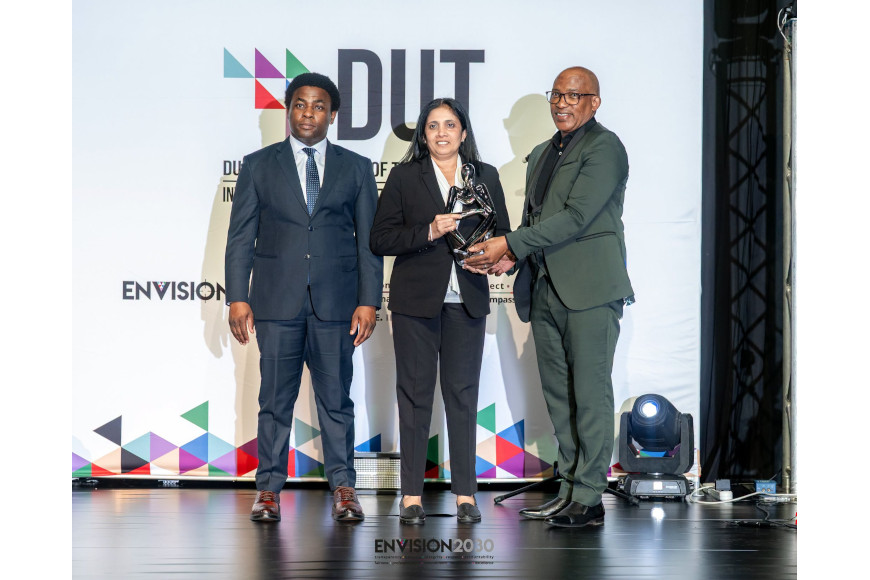
Pictured: Prof Sheena Kumari K Pillai, DUT water expert, pictured in the centre with Prof Fulufhelo Nemavhola, DVC: RIE, and Prof Thandwa Mthembu, Vice-Chancellor and Principal.


Photographer: S’bonelo Dlamini

Tiyani Mboweni.

https://www.dut.ac.za/el-nino-raises-water-security-concerns-as-dut-expert-urges-action/


RESEARCH NEWS: PROF SHEENA KUMARI PILLAI FROM IWWT SHARES HER APPOINTMENT AS SARCHI CHAIR AS A SIGNIFICANT MILESTONE


Professor Sheena Kumari Pillai is a Full Professor and the  newly appointed DSTI/NRF SARChI Chair in wastewater research at the Durban University of Technology (DUT).


Describing her sterling journey, Prof Pillai said that her journey at DUT began in 2008 when she joined the then Centre for Water and Wastewater Technology, which has since evolved into the Institute for Water and Wastewater Technology (IWWT), a leading hub for applied research in water and wastewater field.


“Over the past 18 years, I have progressed through various academic and research ranks, culminating in my promotion to Full Professor in 2023 and my recent appointment as NRF/DSTI SARChI Chair in 2026. This progression reflects a sustained commitment to both research excellence and capacity development in the water sector,” she said.


From the beginning, her research has focused on sustainable wastewater treatment, an area that directly aligns with the IWWT’s mission to deliver innovative, practical, and environmentally responsible solutions. “Our work emphasises the development and optimisation of advanced treatment technologies, resource recovery processes, and green energy integration, all aimed at addressing pressing water challenges faced by industries and communities,” added Prof Pillai.


“Being part of an institute that prioritises both international competitiveness and local relevance has enabled me to pursue research that is not only scientifically rigorous but also socially impactful,” she highlighted. Ultimately, her journey has been shaped by a commitment to translating research into real-world solutions that contribute to sustainable water management and improved quality of life.


Professionally, her appointment as SARChI Chair represents a significant milestone, reflecting sustained research excellence demonstrated through publications in leading peer-reviewed journals, a recognised NRF rating, and meaningful contributions to human capital development, including the supervision and training of more than 40 postgraduate students across different faculties (Applied Science, Engineering and Health Science) within DUT.


“Personally, this role carries a deeper sense of purpose. It provides a platform I am fully committed to leveraging; advancing world-class research and cultivating the next generation of scientists and engineers, to address one of South Africa’s most urgent challenges: the escalating water crisis,” explained Prof Pillai.


The Chair’s five-year research programme is strategically structured into integrated work packages that address the full spectrum of sustainable water and wastewater management.


The first focuses on the development of advanced detection and remediation approaches for emerging micropollutants, including microplastics, pathogens, and antibiotic-resistant genes, which pose increasing risks to water quality and public health.


The second drives the advancement of innovative, pilot-scale treatment technologies for resource recovery, with a strong emphasis on processes such as anammox, anaerobic digestion, and algal systems.


The third work package is dedicated to translating research into tangible societal impact through postgraduate training, targeted school outreach, and strategic industry partnerships. This is enabled through a Living Lab framework that serves as a dynamic interface between cutting-edge research and real-world implementation, ensuring solutions are both practical and scalable.


“My work directly responds to national priorities by reframing wastewater not as a liability, but as a strategic resource within a closed-loop circular economy. This perspective aligns closely with South Africa’s Decadal Plan for Science, Technology and Innovation, which positions science and technology as central to addressing the country’s intensifying water scarcity and advancing sustainable development,” she expressed.


Prof Pillai shared on the industry impact she aims to achieve in the next  five to 10 years.


She relayed that the Chair’s research programme is strategically positioned to deliver sustained and meaningful impact across several interconnected domains. In the area of resource recovery, the work moves beyond laboratory proof-of-concept toward pilot- and demonstration-scale implementation of sustainable technologies.


“These approaches fundamentally reconfigure conventional, energy-intensive wastewater treatment processes into low-cost, resource-efficient systems, transforming wastewater from a disposal burden into a productive source of clean water, renewable energy, and recoverable nutrients that can be reintegrated into the economy,” she added.


From a public health perspective, Prof Pillai said the programme will generate robust, evidence-based insights to inform policy and strengthen decision-making.


Prof Pillai’s  research is deeply rooted in the realities of the water crisis confronting KwaZulu-Natal and, more broadly, South Africa, and is explicitly designed to deliver solutions that are both locally relevant and scientifically robust. Through sustained collaboration with municipalities, water boards, and industrial partners, the programme is embedded within the very institutions responsible for large-scale water and wastewater management.


“This close alignment ensures that research is co-developed with end users, enabling context-specific innovation and accelerating uptake. As a result, the programme prioritises translation alongside discovery, moving beyond academic outputs to produce practical, implementable interventions that can be deployed within existing infrastructure and governance systems. This approach not only enhances the research’s real-world impact but also strengthens institutional capacity to respond to current and emerging water challenges,” she conveyed.


A central pillar of the Chair’s mandate is the deliberate cultivation of the next generation of water scientists, engineers, and research leaders. Over the course of her career, she has supervised approximately 20 doctoral and 20 master’s graduates with more than 60% of these students being female, making a sustained contribution to South Africa’s scientific human capital and strengthening the national capacity to address complex and evolving water challenges.


The SARChI Chair provides a substantially expanded platform to deepen and scale this commitment to capacity development. It enables strategic recruitment and sustained support for a larger, more diverse cohort of postgraduate students and early-career researchers, including postdoctoral fellows from across the globe.


Prof Pillai expressed her plan to mentor the next generation of researchers, particularly from underrepresented backgrounds.


“A particularly meaningful aspect of this work is seeing my postgraduate students gain recognition on international platforms. Recent achievements within my group include two NRF NGS awards, the SA Fulbright Scholarship, the L’Oréal Women in Science Award, and participation in international student Exchange (SA-Germany, SA-USA) Programme,” she shared happily.


At the postdoctoral level, Prof Pillai has mentored more than 15 fellows, guiding them through the critical and often demanding transition from doctoral graduate to independent researcher. “My approach extends beyond scientific supervision to include the development of competitive grant-writing skills, the establishment of strong publication records, strategic navigation of academic career pathways, and the cultivation of distinct research identities. Many of these fellows have progressed to secure academic appointments, lead their own research programmes, and contribute independently to the water science community; outcomes I regard as among the most meaningful indicators of success in my career,” she commented.


Prof Pillai shared that as the Chair she recognises that scientific excellence alone is insufficient if promising technologies remain confined to laboratory settings.


“Beyond advancing individual technologies, the Chair actively fosters an entrepreneurial culture among postgraduate students and researchers. The aim is to equip them with the skills and mindset to think beyond publication and consider the broader commercial and societal value of their work. Through strategic engagement with industry partners, technology transfer offices, and innovation funding mechanisms, the programme strengthens the institutional linkages required. These efforts help accelerate the transition from research discovery to market-ready solutions,” she said.


By 2030, Prof Pillai indicated that the SARChI Chair is well positioned to play a defining role in strengthening the DUT’s standing as a leading centre of excellence in water and wastewater research, both nationally and on the global stage.


“This ambition is underpinned by a strong and demonstrable research track record. To date, Prof Pillai’s research has generated over 150 peer-reviewed publications in high-impact international journals (>90% in Q1/Q2), attracting more than 8,500 citations and achieving a Google H-index of 44 and Scopus H-index of 39. She has also secured more than R15 million in research funding from a range of national and international funding agencies. These metrics collectively reflect the sustained impact, visibility, and scholarly uptake of this body of work within the global scientific community,” she added.


At the conclusion of the Chair’s five-year tenure, success will be assessed across three interconnected and mutually reinforcing dimensions: scholarly impact, research transformation, and human capital development.


“The first dimension, academic excellence, will be demonstrated through a sustained output of high-impact, peer-reviewed publications that advance the global frontiers of water and wastewater science. This will be complemented by the successful graduation of highly skilled postgraduate students and emerging researchers who have been rigorously trained, mentored, and intellectually developed within a research-intensive environment. Collectively, these outcomes will reflect both the quality and international relevance of the Chair’s scholarly contributions,” highlighted Prof Pillai.


She further said that the second, and most consequential, dimension is the tangible contribution of the Chair to transforming wastewater management in South Africa.


“This includes advancing innovative, evidence-based approaches that support the safe reuse, recovery, and reintegration of treated wastewater into the broader economy. The third dimension focuses on human capital development and sectoral transformation. A robust, diverse, and highly capable pipeline of researchers, engineers, and water sector professionals will be cultivated through the Chair’s programme. These individuals will be equipped not only with advanced technical expertise, but also with the leadership capacity, innovative mindset, and ethical grounding required to drive the next phase of South Africa’s water science and management agenda. Together, these outcomes will ensure that the Chair’s legacy extends beyond academic outputs, shaping a new generation of leaders committed to innovation, equity, resilience, and sustainability in the water sector,” she concluded.


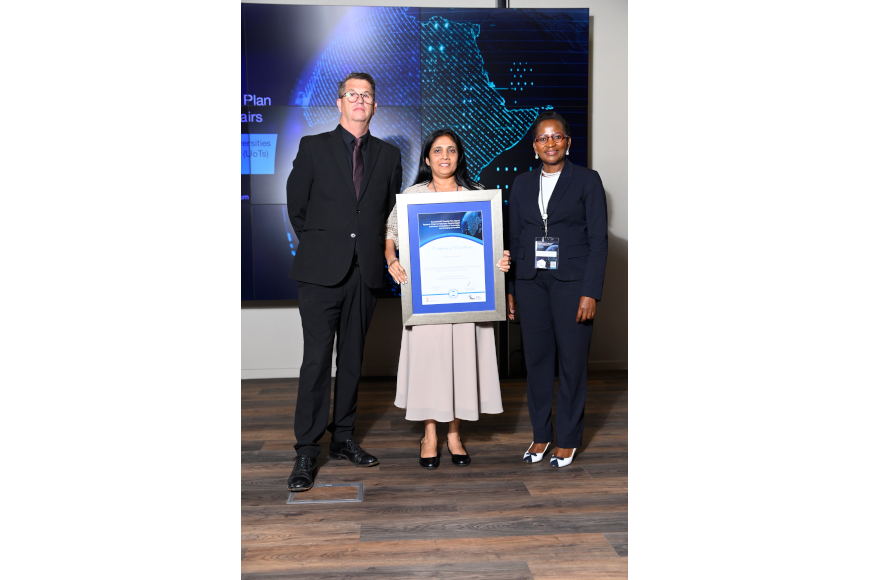
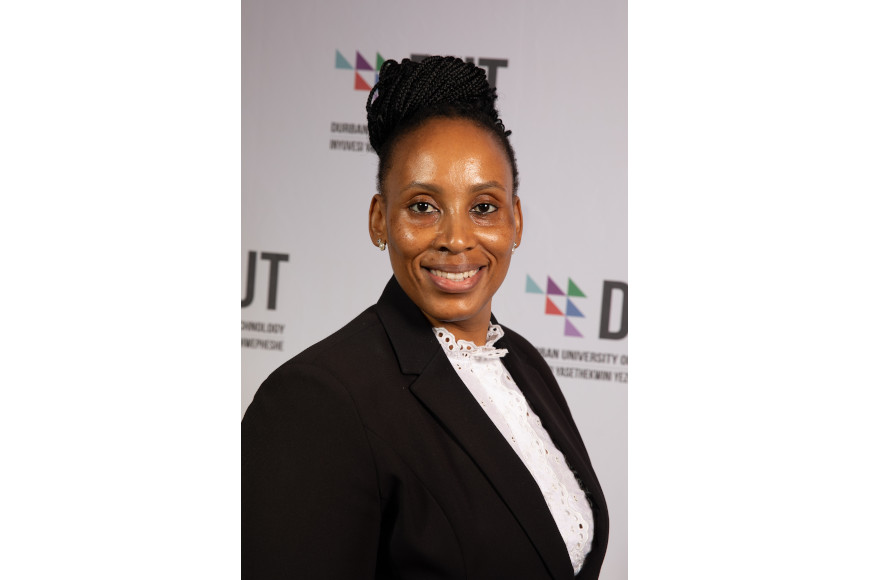
Pictured: Professor Sheena Kumari Pillai is the newly appointed DSTI/NRF SARChI Chair in wastewater treatment and reuse at DUT.

Waheeda Peters

https://www.dut.ac.za/research-news-prof-sheena-kumari-pillai-from-iwwt-shares-her-appointment-as-sarchi-chair-as-a-significant-milestone/
DUT’S DR TETTEH CHAMPIONS WATER-ENERGY NEXUS AT THENSA GREEN ENERGY COLLOQUIUM


Dr Emmanuel Kweinor Tetteh, a Research Fellow and the Principal Investigator of the Green Engineering Research Group (GERG), under the Faculty of Engineering and the Built Environment at the Durban University of Technology (DUT) represented the university at the inaugural Technological Higher Education Network South Africa (THENSA) Green Energy Colloquium in Gauteng. His participation reaffirmed the university’s commitment to the betterment of society through sustainable innovation and impactful research.


The colloquium, bringing together over 40 academics from 10 member institutions marked a significant milestone in advancing South Africa’s Just Energy Transition (JET) and building a green economy. The event focused on creating jobs, fostering innovation, and promoting collaboration in renewable energy, decarbonization, energy storage, systems integration, and emerging opportunities in green hydrogen and the circular economy.


At the event, Dr Tetteh delivered a thought-provoking presentation titled, “Empowering a Green Future: DUT’s Leadership in Water-Energy Nexus for Sustainable Energy Transition.” In the presentation, he unveiled a strategic roadmap to accelerate South Africa’s Just Energy Transition, positioning green hydrogen, renewable energy integration, and water‑to‑energy systems as key areas of green-economy research. Dr Tetteh further underscored how GERG’s pilot work on groundwater‑enabled green hydrogen production, together with DUT’s interdisciplinary research ecosystem, demonstrates practical pathways to decarbonise industry, strengthen water security, and build a skills pipeline for the green economy, which positions DUT as a leading catalyst for sustainable innovation and inclusive development across South Africa.


Dr Tetteh further underlined DUT’s pioneering role in advancing green hydrogen, renewable energy integration, and water-to-energy systems aligned with national priorities and global climate goals. He described how DUT’s dynamic research ecosystem brings specialised centres and focus groups together to drive innovation and translate science into solutions for industry and communities. These include the Renewable and Sustainable Energy Research Group (RSERG) with the Energy Technology Station (IEETR), the Institute for Water and Wastewater Technology (IWWT), the Enzyme Technology Research Group, the Space Science and Smart Grid Research Centre (SS&SG), and the Green Engineering Research Group (GERG), alongside the AQUACYCLE community engagement initiative. He shared that this integrated approach enables DUT to handle critical challenges across energy, water, and socio-economic development.


Highlighting flagship works, Dr Tetteh showcased GERG’s pilot scale project with the South African National Energy Development Institute (SANEDI) to develop cost-effective green hydrogen technologies using groundwater.


“The project demonstrates a practical pathway to reduce coal dependency and cut emissions, while building a robust knowledge base around groundwater treatment, electrolysis, and renewable energy coupling for local conditions. This effort aligns directly with South Africa’s Just Energy Transition, positioning DUT as a technical anchor at KwaZulu-Natal in the country’s shift to cleaner energy,” explained Dr Tetteh.


Dr Tetteh also noted how DUT’s innovation extends beyond research labs to real-world impact. Under RSERG, the SiyaHamba Solar Boat, represented South Africa at the 2024 Monaco Energy Boat Challenge. He shared that it is currently being upgraded into an AI driven autonomous vessel, showcasing the fusion of artificial intelligence and renewable power.


“Complementing high profile projects, the RSERG energyDRIVE outreach truck has visited more than 200 schools and engaged over 100,000 learners nationwide, building awareness of clean energy technologies and inspiring the next generation. Meanwhile, skills development remains a cornerstone of DUT’s strategy, with RSERG-accredited programmes such as PV GreenCard Training and the forthcoming Hydrogen Fuel Cell Practitioner course equipping technicians and engineers to meet emerging opportunities in the green economy,” remarked Dr Tetteh.


In addition, Dr Tetteh highlighted the AQUACYCLE project as a model for inclusive sustainability, pairing hydroponics and aquaponics with entrepreneurship training to tackle food insecurity and empower youth and women in rural communities like Umbumbulu (KwaZulu Natal). He stated that by coupling water-efficient food production with enterprise development, AQUACYCLE illustrates how technology, education, and social innovation can deliver tangible benefits for vulnerable communities.


Looking ahead, Dr Tetteh set out five strategic priorities such as innovations in the water-energy nexus to boost resource efficiency; commercialising research and deepening industry partnerships to accelerate the green economy; nurturing future scientists, entrepreneurs and innovators through training and mentorship; strengthening global collaboration via knowledge exchange and joint ventures; and enhancing societal impact by advancing food-water-energy security, job creation, and community empowerment. He stressed that these priorities align with South Africa’s transition objectives and international sustainability mandates, ensuring DUT’s work remains both impactful and globally relevant.
In conclusion, Dr Tetteh echoed the call for Africa’s clean energy revolution, affirming that DUT is committed to shaping the policies, technologies, and partnerships that will define Africa’s sustainable energy future.


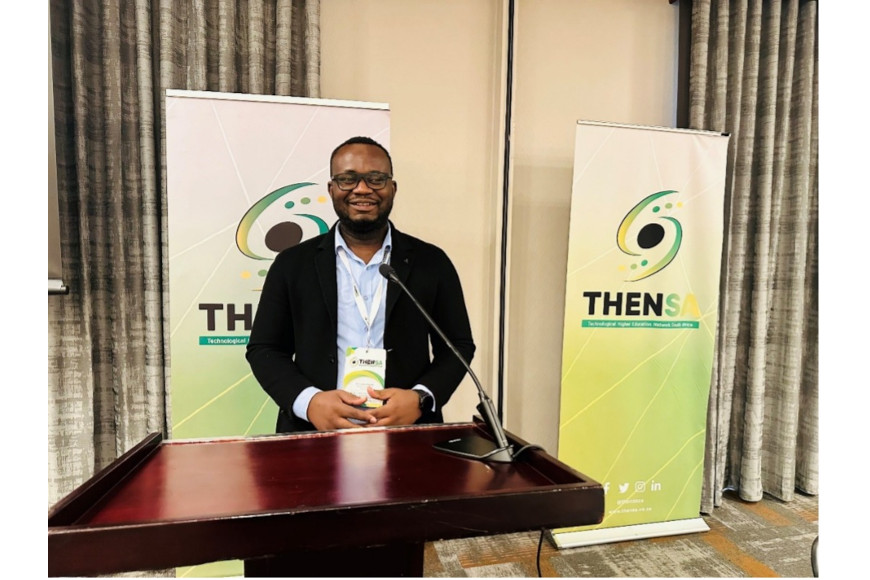
Pictured: Dr Tetteh at the THENSA Green Energy Colloquium.

Simangele Zuma

https://www.dut.ac.za/duts-dr-tetteh-champions-water-energy-nexus-at-thensa-green-energy-colloquium/


DUT IMPROVES GLOBAL STANDING FOR CLEAN WATER AND SANITATION


The Durban University of Technology (DUT) has improved its global standing for Clean Water and Sanitation, moving from the 401–600 band in 2025 to the 301–400 band in the 2026 Times Higher Education (THE) Sustainability Impact Rankings.


The result reflects DUT’s contribution to Sustainable Development Goal 6 (SDG 6), which aims to ensure the availability and sustainable management of water and sanitation for all. Through research, technology development and community engagement, the University is working to address water and wastewater challenges in South Africa and other water-stressed regions.


A key part of this work takes place at DUT’s Institute for Water and Wastewater Technology (IWWT), which has spent more than three decades building partnerships with municipalities, water utilities, industry, government and civil society.


Professor Faizal Bux, Director of IWWT, said clean water and safe sanitation underpin public health, dignity, economic development and environmental protection. South Africa’s limited water resources are under increasing pressure from population growth, urbanisation, pollution, ageing infrastructure and increasingly variable rainfall.


“Climate change compounds these risks by intensifying both droughts and floods, making reliable services harder to sustain and increasing the vulnerability of underserved communities. Progress on SDG 6 is therefore not only an environmental imperative; it is essential to social stability, food security, education and inclusive economic growth,” said Prof Bux.


DUT researchers work across the water cycle, from drinking-water quality and waterborne health risks to municipal and industrial wastewater treatment and resource recovery. Their work includes developing and optimising treatment processes, addressing challenges in full-scale treatment plants, advancing bioremediation, wastewater-based epidemiology and algal biotechnology, and investigating chemicals of emerging concern.


“The emphasis is on solutions that are affordable, resilient and suited to South African conditions,” said Prof Bux.


One of IWWT’s research priorities is finding ways to make better use of wastewater. Projects being tested at demonstration scale include producing biodiesel from microalgae grown in wastewater and evaluating microalgal systems for tertiary wastewater treatment. Both explore opportunities to improve treatment while recovering useful resources.


The Institute has also conducted pilot-scale research on partial nitritation–anammox treatment for high-ammonia wastewater in collaboration with municipal and international partners. This approach offers an alternative method of nitrogen removal that could inform wastewater-treatment solutions suited to local conditions.


Other research areas include biological nutrient removal, advanced treatment of emerging contaminants and microplastics, and resource recovery from wastewater and sludge.


Prof Bux said wastewater should be viewed as a resource that can help reduce pressure on freshwater supplies. Depending on the treatment level and intended application, treated wastewater can be reused for industrial purposes, irrigation and environmental flows. Advanced treatment and rigorous assurance systems can also enable potable reuse.


“Reuse reduces pressure on freshwater sources, limits pollution discharged into rivers and enables the recovery of energy, nutrients and other valuable products. Success depends on matching treated water quality to the intended use and building public confidence through transparent monitoring and sound governance,” he said.


IWWT’s work also contributes to public health. During the COVID-19 pandemic, the Institute co-led research using wastewater-based epidemiology to monitor the progression of the disease in communities, working closely with public health authorities. The research demonstrated how wastewater analysis can support public health surveillance.


The University also tests tap-water and beach-water quality in Durban and provides appropriate advice, linking scientific expertise to water-quality concerns affecting residents and beach users.


“The connection is immediate and practical: water research ultimately concerns people’s health, dignity, livelihoods and environment,” said Prof Bux. “A treatment process that removes pathogens more reliably, consumes less energy or makes reuse safer can improve service delivery while reducing costs.”


Collaboration between universities, municipalities and other water-sector partners is important in translating research into practical solutions. Universities can test technologies at laboratory and pilot scale, assess their costs and performance, strengthen monitoring and help municipalities identify options suited to local needs. Innovation can also support predictive maintenance, decentralised systems, real-time water-quality surveillance and lower-energy treatment.


According to Prof Bux, these partnerships also build technical capacity among students, municipal practitioners and communities, helping promising solutions progress from research to implementation.


In KwaZulu-Natal, water scarcity, unequal access to services, deteriorating infrastructure, high levels of non-revenue water, river and coastal pollution, and exposure to floods and droughts remain pressing challenges. Rapid urban growth and the expansion of informal settlements add further pressure to sanitation and stormwater systems.


Prof Bux identified catchment protection, municipal infrastructure maintenance, improved wastewater-treatment compliance and climate-resilient planning as priorities. He also highlighted the need for service models that can reach communities where conventional centralised infrastructure is difficult to provide.


The work of IWWT forms part of DUT’s broader research and innovation effort, which brings together specialised expertise, postgraduate training and external partnerships to address societal challenges. Under Professor Fulufhelo Nemavhola’s research, innovation and engagement leadership, this work contributes to the University’s wider development priorities. The SDG 6 result recognises the contribution of researchers, staff, students and partners working to advance water security and sustainable sanitation.


Looking ahead, Prof Bux said DUT could strengthen its contribution to SDG 6 by expanding pilot and demonstration projects, deepening partnerships with municipalities and water-sector institutions, and accelerating the translation of research into technologies and policy guidance.


Opportunities include digital water monitoring, climate-resilient sanitation, water reuse, circular-economy approaches and skills development.


“By integrating research, postgraduate training, innovation and community engagement, DUT can serve as a living laboratory for solutions relevant to KwaZulu-Natal, South Africa and other water-stressed regions,” he said.


DUT’s improved standing in the 2026 THE Sustainability Impact Rankings highlights the relevance of its water and wastewater research. Through IWWT and its partnerships, the University continues to develop knowledge and explore practical approaches to improving water quality, wastewater management and access to sustainable services.


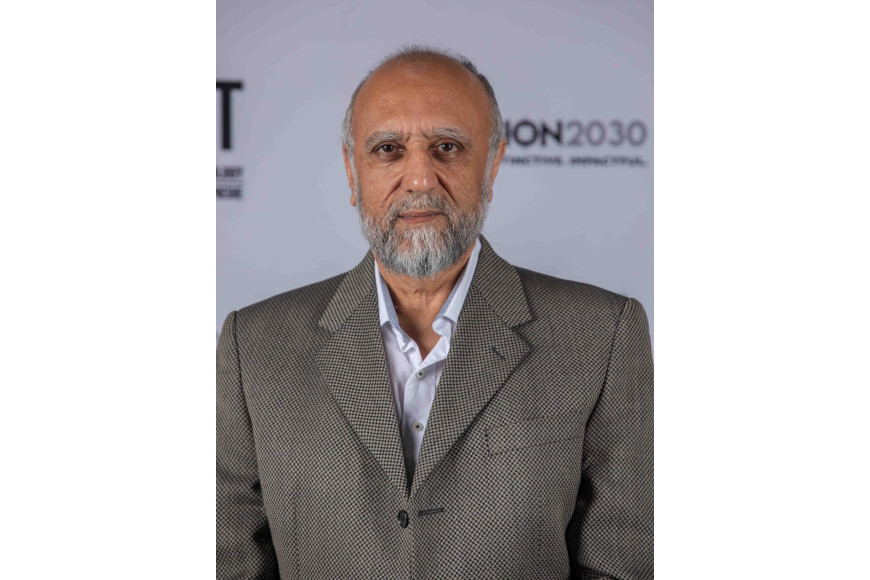
Pictured: IWWT Director, Professor Faizal Bux.

Tiyani Mboweni


https://www.dut.ac.za/dut-improves-global-standing-for-clean-water-and-sanitation/


TRANSFORMING WASTE INTO SUSTAINABLE SOLUTIONS


Celebrating award-winning scientist, Dr Emmanuel Kweinor Tetteh on World Environment Day, 5 June 2026.


Environmental sustainability increasingly depends on innovative scientific solutions addressing some of the world’s most urgent challenges, from water scarcity and pollution to energy insecurity and climate change. As the world commemorates World Environment Day on 5 June, the National Science and Technology Forum (NSTF) highlights the critical role scientists and engineers play in protecting natural resources and building sustainable communities.


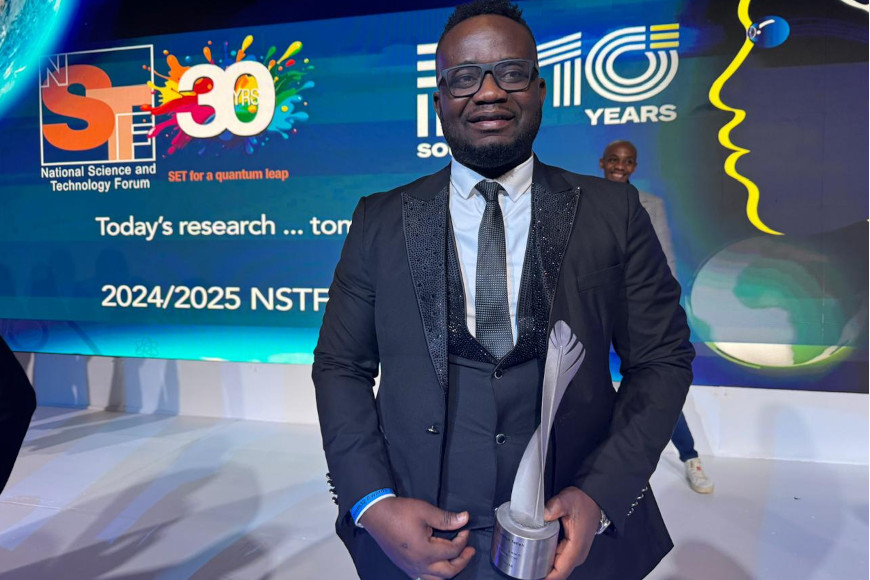
To mark this important day, the NSTF proudly honours Dr Emmanuel Kweinor Tetteh, Senior Lecturer at the Department of Chemical Engineering and lead researcher of the Research Focus Area: Green Engineering Research Group at Durban University of Technology (DUT). He is the winner of the TW Kambule-NSTF Emerging Researcher Award, crowned at the prestigious 2025 NSTF-South32 Awards, known as the ‘Science Oscars’ of South Africa (SA). Dr Tetteh received the award in recognition of his multidisciplinary research, leadership and innovation in sustainable environmental engineering.


Explaining the motivation behind the work, Dr Tetteh states: Waste in the environment was destroying communities, poisoning ecosystems, and perpetuating poverty. It was a pivotal that made me realise how engineering solutions, particularly those linking water and energy, can change lives,” he said.


Sharing further on Dr Tetteh, growing up in a mining town in Ghana, he witnessed first-hand the devastating impact of poor wastewater management on communities and ecosystems. This experience inspired his commitment to developing engineering solutions that address environmental challenges while improving livelihoods.


Today, Dr Tetteh’s work focuses on the water-energy nexus, wastewater treatment technologies, green hydrogen and renewable energy systems, and green engineering innovations to create sustainable environmental solutions. His research integrates engineering science, environmental management and technology development to convert waste into valuable resources.


One of his major innovations is the Smart Wastewater-to-Energy System (SWTES), a technology developed from his doctoral research. The system treats industrial wastewater while simultaneously generating renewable energy in the form of biogas and producing reusable water suitable for irrigation. The project reflects circular economy principles by reducing waste, lowering emissions and creating economic value from environmental challenges.


His research has been implemented in industrial pilot projects involving sugar refineries and oil-processing plants, where the technologies have contributed to waste reduction, energy generation and resource recovery. His work also extends into green hydrogen production, magnetic nanotechnology and plastic-to-energy innovations that support SA’s transition toward cleaner and more sustainable technologies.


Dr Tetteh currently leads collaborative research projects supported by institutions such as the Water Research Commission (WRC) and the South African National Energy Development Institute (SANEDI). His work aligns with SA’s environmental sustainability goals and national development priorities.


In addition to his research contributions, Dr Tetteh is committed to developing the next


generation of scientists and engineers. He has supervised several postgraduate students, mentored emerging researchers and contributed extensively to scientific literature through peer-reviewed publications and conference presentations.


“My passion lies in applying engineering science to solve real-world problems. South African municipalities, particularly in KwaZulu-Natal, face immense pressure to deliver water and sanitation services amid rising energy costs and ageing infrastructure.,” explained Dr Tetteh.


World Environment Day, led by the United Nations Environment Programme (UNEP) encourages global awareness and action for environmental protection. Since its establishment in 1973, the day has become one of the world’s largest environmental awareness platforms, engaging governments, organisations, communities, and individuals across more than 150 countries. The theme for 2026 focuses on a Global Call for Climate Action and the vital connection between urbanisation and climate.


This significant day serves as a reminder of the urgent need to address environmental issues such as pollution, biodiversity loss, climate change and unsustainable resource use. It also highlights the importance of scientific research, technological innovation and sustainable development in building resilient societies and protecting ecosystems for future generations.


Environmental engineering and green technologies are increasingly essential in helping countries transition toward sustainable economies. Researchers such as Dr Tetteh demonstrates how science and innovation can provide practical solutions that support clean water access, renewable energy generation, waste reduction and environmental restoration.


By profiling Dr Tetteh on World Environment Day, the NSTF celebrates not only scientific excellence but also the transformative impact of research that directly improves communities and contributes to environmental sustainability.


The NSTF-South32 award sends a powerful message to future scientists: their work matters, their voices count, and their efforts are essential in building a resilient and sustainable future for South Africa and the continent.
The NSTF encourages learners, researchers, policymakers, industry leaders, and communities to support environmental sustainability initiatives and invest in science, engineering, technology (SET) and innovation that address pressing environmental challenges. Collaborative action is essential to developing resilient systems capable of protecting natural resources while improving quality of life.


Young people are especially encouraged to pursue careers in science, technology, engineering and mathematics (STEM), as well as environmental research, where they can contribute to building sustainable solutions for future generations.


As the world reflects on the importance of environmental stewardship, the work of
Dr Tetteh demonstrates the power of innovation to create meaningful and lasting change. Through his commitment to sustainable engineering and resource recovery, he continues to contribute toward a cleaner, more resilient, and environmentally responsible future for SA and the African continent.


NSTF is an independent non-profit stakeholder body and network- a civil-society forum of over 150 member organisations across six membership sectors, involved in science, engineering, technology (SET) and innovation in South Africa.


The NSTF-South32 Awards is famously known as the ‘Science Oscars’ of SA that recognised excellence in SET and innovation in SA across 16 categories Look out for the announcement of the finalists competing for this year’s Awards as the winners are taking place in two cities (Cape Town and Johannesburg) on 16 July 2026.


Pictured: Dr Emmanuel Kweinor Tetteh

Story and picture supplied: National Science and Technology Forum

https://www.dut.ac.za/transforming-waste-into-sustainable-solutions/


2025

RESEARCH NEWS: DUT CHEMICAL ENGINEERING STUDENT ENOCK GOLANGEI SHINES AS PART OF WINNING TEAM AT WETSKILLS SOUTH AFRICA 2025 AND INAUGURAL AWSISA AFRICA AND GLOBAL SOUTH DIALOGUE


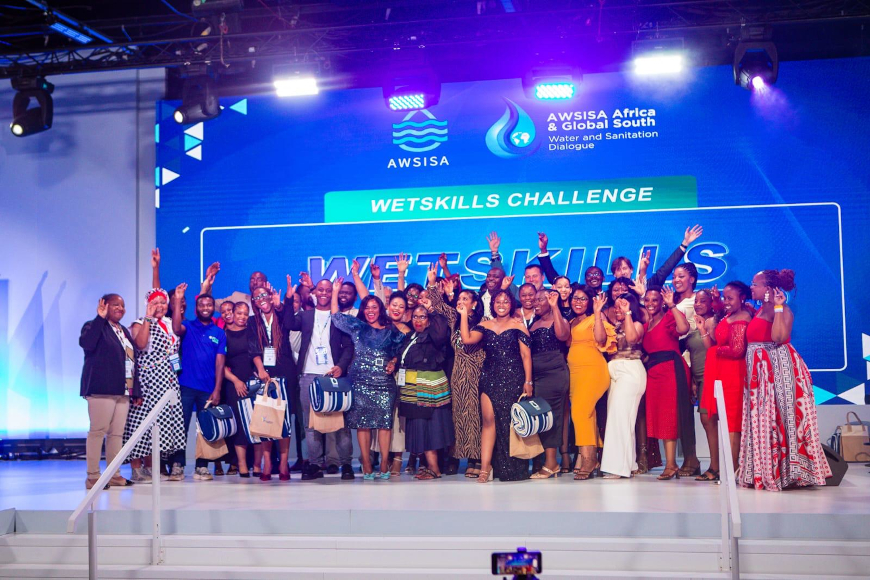
Durban University of Technology (DUT) proudly celebrates Enock Golangei, a Master of Engineering Chemical Engineering student under the supervision of Dr Innocentia Mkhize, Senior Lecturer in the Department of Chemical Engineering. He was part of a winning team at the prestigious Wetskills South Africa (Gauteng) 2025 Challenge, hosted during the inaugural AWSISA Africa and Global South Water and Sanitation Dialogue, recently held at the Emperors Palace, Johannesburg.


The Wetskills Challenge is an international water innovation programme that brings together young water professionals and students from diverse disciplines to co-create sustainable solutions for pressing water challenges. This year’s event, themed “Water and Sanitation for the Global South,” showcased exceptional creativity, collaboration, and commitment to addressing critical water and sanitation issues across Africa.


Enock and his multidisciplinary team worked on a case presented by the Department of Water and Sanitation (DWS) titled “SMART WATER, SMART FINANCE: Introducing the Droplet Market for Unlocking Non-Revenue Water (NRW) Reduction Interventions.” Their project proposed an innovative technological and financial model to address non-revenue water challenges in municipal water systems. The “Droplet Market” concept integrates digital tools, smart metering, and performance-based financing to promote efficient water management, accountability, and sustainability across all sector of economies.


During the final pitching session, held on the main stage at the Association of Water and Sanitation Institutions of South Africa (AWSISA) Dialogue, Enock and his team delivered a compelling presentation to a panel of industry experts, policymakers, and international delegates. Their pitch was praised for its clarity, creativity, and effective integration of engineering, finance, and governance principles. The judges commended the team for presenting a forward-thinking solution that aligns with South Africa’s water security goals.


Reflecting on his experience, Golangei shared: “Participating in Wetskills South Africa (Gauteng) 2025 was an incredible and eye-opening journey that broadened my perspective on water management and innovation. The experience highlighted the power of collaboration in driving change and the role that young professionals can play in shaping the future of water management. Working alongside teammates from different countries, academic backgrounds, and professional disciplines challenged me to think beyond the boundaries of engineering and embrace truly collaborative innovation. Each member brought unique insights from policy and finance to environmental management, and together, we transformed a complex water challenge into a creative and implementable solution.”


He added that the Wetskills Challenge was more than a competition, it was a platform for learning, networking, and inspiration. “It underscored the importance of creativity, adaptability, and perseverance in addressing global water challenges. The process taught me the value of design thinking, teamwork under pressure, and the art of pitching complex ideas in simple, impactful ways. Presenting our innovation to global experts was both humbling and empowering. The connections made and lessons learned will undoubtedly have a lasting impact on my approach to problem solving and professional development in the water sector. I am deeply grateful to my teammates for their dedication and creativity, to Wetskills for providing this inspiring platform, and to DUT and my supervisor, Dr Innocentia Mkhize, Prof Rutto (Wits), and Dr Benton Otieno (UKZN), for continuously supporting and exposing me to opportunities that enhance my growth as an engineer and innovator,” he highlighted.


Supervisor Dr Mkhize expressed pride in his success: “I was proud to witness Golangei and his team’s outstanding presentation during the pitching session. Their professionalism, creativity, and confidence reflected the innovative spirit and excellence we strive to cultivate at DUT. This achievement demonstrates how our postgraduate students are contributing meaningfully to national and global water sustainability dialogues.”


This recognition at the inaugural AWSISA Dialogue, added Dr Mkhize, reinforces DUT’s growing footprint in advancing research, innovation, and collaborative problem-solving in the water sector. She indicated that it also highlights the Department of Chemical Engineering’s commitment to equipping students with the skills and mindset needed to address complex environmental challenges through sustainable engineering solutions. “Congratulations once again to Golangei and his team for this outstanding achievement. Your success continues to inspire excellence and innovation within the DUT community,” she said jubilantly.


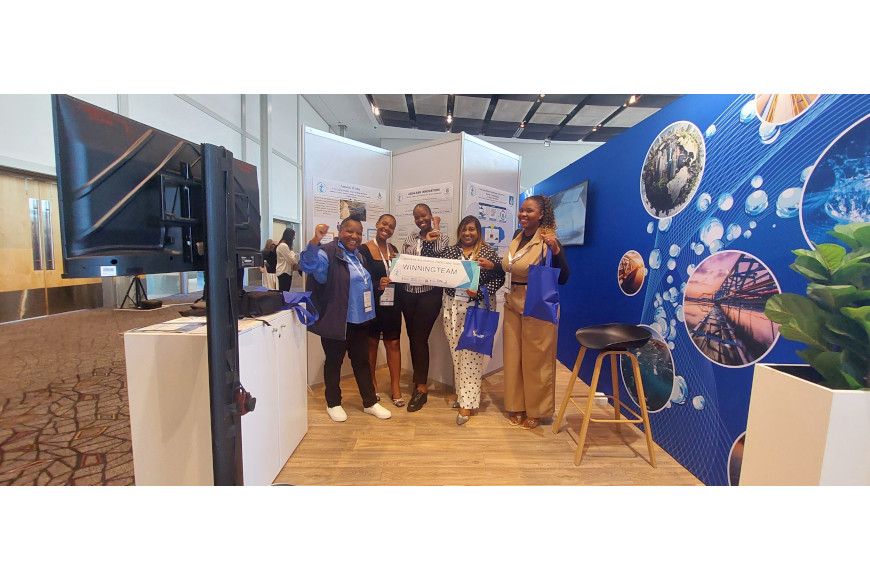
Pictured: Enock Golangei and his team celebrating their win at the Wetskills South Africa (Gauteng) 2025 Challenge during the inaugural AWSISA Africa and Global South Water and Sanitation Dialogue, held at Emperors Palace, Johannesburg


https://www.dut.ac.za/dut-chemical-engineering-student-enock-golangei-shines-as-part-of-winning-team-at-wetskills-south-africa-2025-and-inaugural-awsisa-africa-and-global-south-dialogue/


DUT RESEARCH DIRECTOR TO LEAD STREAM AT PRESTIGIOUS WATER AND SANITATION DIALOGUE


The Durban University of Technology (DUT) is proud to announce that Dr Nomcebo Mthombeni, Interim Director: Research and Postgraduate Support, has been nominated as a Stream Lead for the prestigious AWSISA Africa & Global South Water and Sanitation Dialogue, scheduled to take place in Johannesburg from 09 to 12 November 2025. More than 1500 delegates are expected to attend the three day symposium.


This high-level Association of Water and Sanitation Institutions of South Africa (AWSISA) event will convene thought leaders, policymakers, researchers and practitioners from across Africa and the Global South to engage in strategic dialogue, share ground-breaking innovations and accelerate collaborative solutions in the water and sanitation sector.


Dr Mthombeni’s nomination as a Stream Lead recognises her expertise, leadership and significant contributions to the field. In this role, she will be instrumental in helping to shape the dialogue’s agenda and steering critical conversations within her designated thematic stream.


Dr Asif Alli from AWSISA said, “Dr Mthombeni’s leadership is not just beneficial, it is essential. I believe that the Durban University of Technology will bring valuable insight and professionalism to the role of convenor in the dialogue, Women in Water. By aligning with us, DUT will amplify its leadership in the water sector and gain unparalleled visibility among an audience of industry influencers and decision-makers.”


Chairperson of the AWSISA Board, Mr Ramateu Monyokolo said, “This Dialogue is not just another event, it’s a space where ideas meet action.” He added, “Through our pan-African and Global South approach, AWSISA convenes a powerful coalition of voices, expertise and experience. By working together, we can tackle complex challenges with collective ingenuity and accountability, driving meaningful impact that transforms lives and communities.”


For more information on the Dialogue, please visit https://www.awsisa-watersan-dialougue.org.

Pictured: Dr Nomcebo Mthombeni, Interim Director: Research and Postgraduate Support.

Alan Khan

https://www.dut.ac.za/dut-research-director-to-lead-stream-at-prestigious-water-and-sanitation-dialogue/


DUT DOCTORAL GRADUATE PIONEERS CLEAN WATER SOLUTIONS THROUGH SCIENCE AND SUSTAINABILITY

 
Dr Riona Indhur was conferred with a Doctor of Philosophy in Biotechnology during the Durban University of Technology (DUT) 2025 Autumn Graduation Ceremony, held at the Olive Convention Centre in Durban on Monday, 19 May 2025.
A dedicated scientist based at DUT’s highly acclaimed Institute for Water and Wastewater Technology (IWWT), Dr Indhur’s research is at the forefront of innovative approaches to address water pollution and sustainability. Her doctoral thesis, titled “Synthesis, Assessment, and Application of Two-Dimensional Ferromagnetic Nanocomposites for Removal of Microplastics from Drinking Water and Wastewater Effluent,” explores the development of advanced nanomaterials to remove harmful microplastics from water sources.
 
 
Her work contributes meaningfully to the global pursuit of clean water solutions, combining cutting-edge science with a commitment to environmental sustainability.
 
 
Her research under the supervision of Professor S Kumari and co-supervised by Prof A Kumari and Prof F Bux yielded two peer-reviewed publications and 1 conference presentation. In addition, three other peer-reviewed papers have been published in this research field, and two book chapters have been accepted for publication.
 
 
In 2024 she was recognised as the Top Published Doctoral Student at the IWWT. Earlier this year (2025), she was awarded the prestigious NRF Scarce Skills Postdoctoral Fellowship. Her work has led to multiple publications in high-impact journals, such as Science of the Total Environment and Environmental Chemical Engineering, with several papers focusing on microplastics remediation and environmental nanotechnology. Presenting at international conferences, including the 14th IWA Water Reuse and Reclamation International Conference, has further solidified her position as a leading researcher in her field.
 
 
Her academic path is marked by a relentless pursuit of knowledge and impactful research. A pivotal moment in her career was aligning her research with the United Nations Sustainable Development Goals (SDGs), focusing on water sustainability. Her groundbreaking work on microplastics removal from wastewater using magnetic nanocomposites (MNCs) has provided innovative solutions to a pressing environmental problem, contributing to SDG 6 (Clean Water and Sanitation) and SDG 14 (Life Below Water).
 
 
She has always had a deep fascination with science. Receiving her first microscope at the age of six sparked an early interest in exploring the unseen world around her.
 
 
After completing her undergraduate studies, Indhur pursued an Honours in Microbiology and a Master’s in Pharmaceutical Chemistry. Her passion for sustainable science led her to focus on environmental issues, specifically water security and pollution mitigation.
 
 
However, the journey was not without challenges. As the first researcher at her institution to work with nanomaterials, Indhur had to develop new research methodologies from scratch. Resource limitations and balancing multiple responsibilities tested her resilience. Despite these obstacles, her perseverance and adaptability led to significant advancements in water purification technology.
 
 
For Dr Indhur, DUT was instrumental in her growth as a researcher. DUT’s commitment to innovation and sustainability resonated with her, enhancing her passion for addressing environmental challenges. The university’s support not only helped her develop technical expertise but also empowered her to engage in science communication, presenting her findings at international platforms and engaging with the community to raise awareness about water quality and sanitation.
 
 
“The university provided access to cutting-edge laboratories and resources. The mentorship and guidance from faculty members, especially after the addition of a nanomaterial’s expert to the institution, were invaluable. DUT’s strong research culture and collaborative environment helped her refine her techniques and approach,” she explained.
 
 
Her long-term goal is to contribute to global science policy, particularly in open science and sustainability, bridging the gap between innovative research and real-world applications. She aspires to influence global water treatment strategies and environmental policy by leveraging her research in microplastic pollution and nanotechnology.
 
 
“My long-term vision is to bridge the gap between cutting-edge research and practical implementation, ensuring that scientific advancements contribute meaningfully to environmental and societal challenges,” she said.
 
 
She also dreams of working with the United Nations as a research scientist or policy advocate, making a broader impact on global environmental challenges, particularly those related to water security.
 
 
As DUT celebrates her success, Dr Indhur stands as a beacon of excellence and innovation, embodying the Faculty of Applied Sciences’ commitment to educate, innovate and engage.
 
 
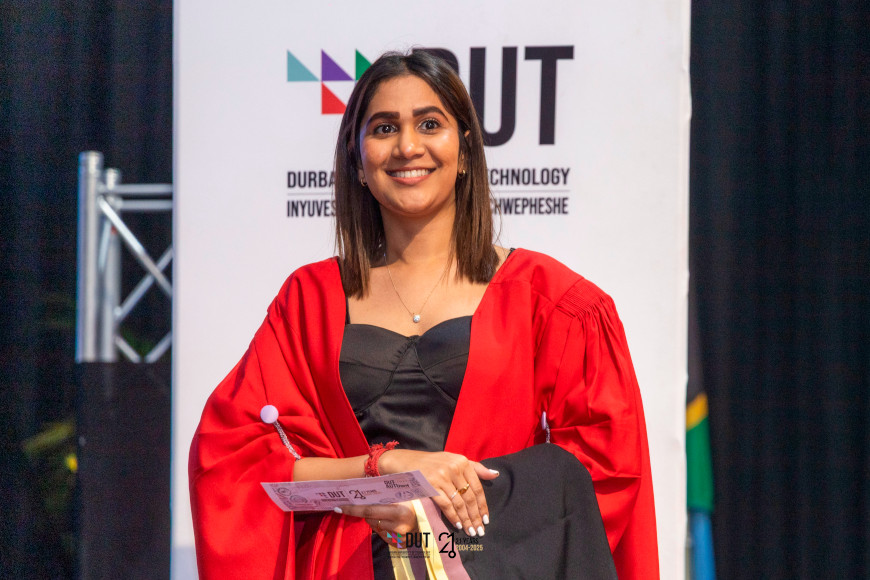
Pictured: Dr Riona Indhur gracing the DUT graduation stage.
Silindile Buthelezi/Simangele Zuma

https://www.dut.ac.za/dut-doctoral-graduate-pioneers-clean-water-solutions-through-science-and-sustainability/


WATER QUALITY TESTING REVEALS DURBAN BEACH CONDITIONS


The Institute for Water and Wastewater Technology (IWWT) at the Durban University of Technology (DUT)  has released the latest water quality results for some of Durban’s most popular beaches. The findings, released in the public interest, are aimed at equipping the public with reliable information to make informed decisions about beach safety.


Professor Faizal Bux, Director of the IWWT, confirmed that water samples were collected and analysed on 17 April 2025, from various swimming and non-swimming beaches across Durban. “According to the microbiological analysis, four beaches namely, Umhlanga Lighthouse, North Beach, Golden Mile and uShaka Beach had showed acceptable levels of E.coli and are considered safe for recreational and swimming activities,” said Professor Bux.


However, the report had also indicated that six beaches recorded “poor” water quality, with elevated E. coli levels, rendering them unsuitable for public swimming. The IWWT strongly advised against any recreational use of these beaches until further testing confirms improved conditions.


Of particular concern was the water quality at the mouth of the Umgeni River, which continues to reflect critically high levels of E. coli. This area has historically been a hotspot for contamination and surrounding beaches remain unsuitable for swimming due to the ongoing pollution risks.


Professor Bux emphasised the importance of routine water quality monitoring, “Our team at the IWWT conducts these tests regularly, especially ahead of busy holiday periods, to help protect public health. As an Institute grounded in scientific integrity and public service, we are committed to providing transparent, research-based data that informs both the public and relevant authorities.”


The IWWT at DUT is recognised nationally and internationally for its advanced research and innovation in water and wastewater treatment. These ongoing beach water quality assessments reflected the Institute’s role in supporting environmental sustainability and public health in the eThekwini region and beyond.


A detailed map outlining the microbiological water quality results for each beach have been made available to assist beachgoers in choosing safe recreational spots during the school holidays and long weekends.


Pictured: A detailed map outlining the latest water quality results.

Alan Khan

https://www.dut.ac.za/water-quality-testing-reveals-durban-beach-conditions/


DUT TEAM WINS AT THE INTERNATIONAL WETSKILLS 2025 CHALLENGE


Looking at solving water challenges through innovative ideas to develop practical solutions was the highlight of the International Wetskills 2025 Challenge which took place in Cape Town from 7 March 2025 to 20 March 2025.


The International Wetskills 2025 Challenge is an exhilarating two-week pressure ‘Think-Tank’ designed for students and young water professionals, offering a unique platform for authentic learning and international networking.


Representing the Durban University of Technology (DUT)  along with her team was the dynamic Doctor of Philosophy student, Nikita Singh. She was also the only participant from KwaZulu-Natal (KZN), representing her region in this global platform.


She is a student in the field of Chemical Engineering in the Green Engineering Research Group (GERG) at DUT, supervised by Professor Manimagalay Chetty and Prof Sudesh Rathilal. Her research focuses on wastewater treatment and biofuel production.


The academic lecturer, mentor advisor, and former Writing Centre tutor, is extremely passionate about research, teaching, and student development. She has presented at local and international conferences and published multiple high-impact journal articles.  She is among South Africa’s GradStar Top 100 university students in 2022 (Master’s in Engineering) and 2019 (Bachelor of Technology), excelling in leadership, academics, and personal influence. Beyond work, she thoroughly enjoys time with her family, friends, Saint Bernard Major, and her Koi fish.


Singh shared that just a day before departing for the International Wetskills 2025 Challenge, she had to say a difficult goodbye to her grandmother, who lost her battle with cancer. Leaving home under such circumstances was not easy, but the opportunity to participate in the challenge was one she deeply valued.


“Winning first place at the International Wetskills 2025 Challenge was an incredible achievement and a testament to the hard work, dedication, and innovative thinking of my team. Being selected as a participant was initially overwhelming, given the prestige and scale of the competition. However, collaborating with a diverse group of professionals to tackle real-world water challenges was an enriching experience that strengthened both our engineering expertise and problem-solving skills,” she said.


Singh further elaborated that this victory fills her with pride and a deep sense of accomplishment, as it validates her ability to develop realistic, impactful solutions for the water sector.


“It also reinforces the importance of out-of-the-box thinking and shared vision, which were key to our success. Beyond the competition, this recognition will open new doors for future opportunities and drive our passion to create meaningful change in Southern Africa and beyond. Personally, this experience has boosted my confidence, broadened my career horizons, and deepened my commitment to sustainable development,” added Singh.


“Winning this title has further motivated me to push the boundaries of research and innovation, ensuring that my work continues to have a lasting impact in the field of water and environmental engineering,” she said ecstatically.


Amongst the many congratulatory remarks on Singh’s win was Dr Innocentia Mkhize, Deputy HOD of Chemical Engineering, “Congratulations on this incredible achievement! I am so proud of you and your team for winning your case at the International Wetskills 2025 Challenge. The focus on affordable water and dignified sanitation for rural communities-especially through the water-energy-food nexus is both timely and impactful. This is an inspiring accomplishment.”


Singh indicated that the topic for the International Wetskills 2025 focused on developing affordable access to water and dignified sanitation for rural communities across Southern Africa.


“While this topic was not directly aligned with my PhD research, the core principles of waste valorisation, wastewater treatment, resource recovery, and sustainable system design were highly applicable. I particularly enjoyed this challenge as it allowed me to apply my knowledge of waste-to-energy principles in a new and impactful way,” she shared.


Singh explained that for her teammates, although the project aligned with some of their backgrounds or professions in resource management, environmental sciences, and engineering technology – the challenge still pushed everyone out of their comfort zones to better heights.


“Our interdisciplinary approach was a key strength, as it enabled us to tackle the problem from multiple perspectives, ensuring that our solution was not only technically sound but also socially and culturally viable. This collaboration reinforced the value of integrating diverse expertise to develop holistic, sustainable solutions for pressing water challenges,” she said.


For Singh, she elaborated that the International Wetskills 2025 Challenge was an incredible milestone, marking the 75th Wetskills event globally and the 10th hosted in South Africa.


“This prestigious competition brought together 20 talented participants from the Netherlands, Ghana, and South Africa, all from diverse academic backgrounds and professional fields. Being surrounded by such a diverse and highly skilled group of young professionals pushed me to think beyond my expertise and embrace a holistic approach to problem-solving,” she added.


Relaying further on the International Wetskills 2025 Challenge, Singh emphasised that the International Wetskills 2025 Challenge was an intense and immersive experience designed to foster interdisciplinary collaboration and creative problem-solving, pairing participants into teams to develop innovative and practical solutions to real-world water challenges.


“The programme included ice-breaking exercises, team building, brainstorming sessions (brain hurricanes), field trips, training workshops, mentoring sessions, and final presentations, culminating in an awards ceremony, conferences, and a gala dinner,” she said.


Singh conveyed that the competition concluded with a high-pressure two-minute pitch of their innovative solution, supported by a poster and a research paper, which they had presented to a panel of industry experts, policymakers, and fellow participants.


“Our winning pitch focused on a collaborative strategy to engage government and NGOs in the installation of Urine-Diverting Dry Toilets (UDDTs) for rural communities. We proposed to partner companies to utilise the community waste resources for methane and fertiliser production, in exchange for borehole water, solar-powered kiosks, fertilizer, seeds, and agricultural training,” echoed Singh.


She commented that their solution was carefully designed to be cost-effective, viable, and sustainable, effectively balancing the water-energy-food nexus. “This experience highlighted the power of collaboration and creative problem-solving, making our victory even more rewarding,” she beamed.


In terms of the prize, Singh explained that the initial prize for her before even setting foot at the International Wetskills 2025 Challenge, was being selected as a fully funded participant.


“The prize of winning for me was the connections made, the global recognition, networking offers and job opportunities that we received after winning. However, we received many goodie bags with fancy items from the various sponsors. Furthermore, the biggest prize is the doors that this win opens for us in the future, with companies willing to fund and implement our idea throughout Southern Africa and beyond,” added Singh.


The key highlights of this conference for her team and herself were the remarkable effort, supervision and dedication that Wetskills invested in ensuring a transformative experience for all participants.


“A standout moment was the unparalleled opportunity to engage directly with internationally renowned experts, government ministers, deputy director-generals (DDGs), and industry leaders; all of whom were eager to network, mentor, and support our professional growth. Being in a room filled with such influential and visionary minds was an inspiring and empowering experience, creating an atmosphere of endless possibilities,” she emphasised.


Going forward, Singh is eager to build on the momentum of the International Wetskills 2025  Challenge achievement by collaborating with her team and case owner in the WetsNext programme, where their proposed solution will be implemented at a pilot scale before broader expansion. “This initiative presents an invaluable opportunity to translate our innovative concept into a practical, real-world application, reinforcing the impact of our work.  I also aim to broaden my career horizons by pursuing postdoctoral research opportunities, industry collaborations, and leadership roles within the environmental engineering sector,” highlighted Singh.


She expressed that her ultimate goal is to contribute to groundbreaking advancements in sustainable engineering, ensuring that her research drives meaningful, long-term solutions with both local and global impact.


Her sound advice to students is to step out of their comfort zones and seize opportunities such as challenges, workshops, and conferences that foster both personal and professional growth.


“Take the initiative, embrace new challenges, and actively seek opportunities that set you apart. Invest in yourself, make your mark, and strive to be unique, because true growth begins when we dare to try,” concluded Singh.


Pictured: DUT’s Nikita Singh and her winning team at the International Wetskills 2025 Challenge.

Waheeda Peters

https://www.dut.ac.za/dut-team-helmed-by-singh-wins-at-the-international-wetskills-2025-challenge/