RESEARCH
ADVANCEMENT

SDG 17 Partnership for the goals


2026

RESEARCH NEWS: PROF PFANO MASHAU APPOINTED TO SUSTAINABLE DEVELOPMENT GOALS INITIATIVE PANEL OF EXPERTS


Professor Pfano Mashau, Director of the Durban University of Technology’s (DUT) Business School, has been appointed to the newly constituted Sustainable Development Goals Initiative (SDGi) Panel of Experts, convened by the Albert Luthuli Leadership Institute (ALLI) at the University of Pretoria.


The Panel brings together academic and non-academic specialists who will provide expert contributions and opinion pieces to inform policy products across various thematic areas. The initiative forms part of a partnership in which ALLI serves as Principal Investigator, in collaboration with the Presidency of the Republic of South Africa’s Policy and Research Services Branch and the Deutsche Gesellschaft für Internationale Zusammenarbeit (GIZ). The partnership seeks to strengthen evidence-informed policymaking in South Africa.


For Prof Mashau, the appointment provides an opportunity to contribute his expertise in youth employability, entrepreneurship, innovation, skills development and the changing world of work, with a particular focus on Sustainable Development Goal 8 (SDG 8), which promotes sustained, inclusive and sustainable economic growth, productive employment and decent work for all.


“This is an important opportunity to convert research into impactful action. Universities generate significant knowledge on unemployment, entrepreneurship, skills development and innovation, but the real value of that knowledge is realised when evidence informs decisions, programmes and policies that improve people’s lives and livelihoods,” said Prof Mashau.


Through the SDGi Panel, Prof Mashau will contribute to policy briefs and expert opinion pieces that translate research evidence into accessible policy insights. His contribution will draw on his research in areas including youth unemployment, entrepreneurship education, innovation, informal business development and enterprise competitiveness.


His research includes a 2015 study with Houghton on youth unemployment and informal business development in eThekwini Municipality, which examined the role of informal business activity in supporting local economic participation. The study highlighted the contribution of the informal economy to economic growth and job creation, while recognising that informal business development alone cannot resolve unemployment.


More recent research has examined the role of entrepreneurship education and innovation in higher education. Mtshali, Mashau and Gamede (2024) explored how entrepreneurship education can strengthen innovation among students at two KwaZulu-Natal universities, highlighting the importance of developing entrepreneurial mindsets and innovation capabilities. In related research, Mtshali and Mashau (2024) examined students’ attitudes towards innovation and entrepreneurship education and the role of universities in preparing graduates for changing labour markets and emerging economic opportunities.


Prof Mashau’s research also extends to innovation and enterprise competitiveness. Gonyora, Migiro, Mashau and Ngwenya (2022) examined open innovation challenges among South African automotive component manufacturers, while Gonyora and Mashau (2022) explored open innovation strategies and prospects for new product and process development. This body of research highlights the links between innovation capability, enterprise development, productivity and economic participation.


The relevance of these areas is underscored by South Africa’s current labour market and economic conditions. According to Statistics South Africa’s Quarterly Labour Force Survey for the second quarter of 2026, the official unemployment rate increased to 33.6%, from 32.7% in the first quarter. The number of unemployed people increased by 345 000 to 8.5 million, while employment decreased by 16 000 to 16.7 million. Among young people aged 15–34, the number of unemployed people increased to 5.0 million, with the youth unemployment rate rising to 47.4%.


South Africa’s economic growth environment also remains challenging. Real GDP contracted by 0.2% in the second quarter of 2026, following growth of 0.4% in the first quarter. Against this backdrop, productive employment, entrepreneurship, innovation, skills development and inclusive economic participation remain important to the country’s development agenda.


For DUT, Prof Mashau’s appointment highlights how expertise and research generated within the University can contribute to broader national conversations on employment, entrepreneurship, economic development and policy.


The appointment also aligns with DUT’s ENVISION2030 strategic intent, particularly its emphasis on innovation, entrepreneurship and research that creates meaningful societal impact. It demonstrates how academic scholarship can extend beyond publication to contribute to evidence-informed discussions and practical responses to real-world challenges.


“DUT is committed to producing knowledge that responds to the challenges facing society and contributes to meaningful change,” said Prof Mashau. “Participation in initiatives such as the SDGi Panel creates an opportunity for our research and expertise to engage directly with national policy conversations and contribute to solutions that support inclusive economic participation.”


Through the SDGi Panel, Prof Mashau will bring his experience in entrepreneurship, youth employability, innovation, small-business development, local economic development and inclusive economic participation to discussions linked to South Africa’s development priorities and the Sustainable Development Goals.


His appointment provides an opportunity for the DUT Business School and the broader University community to demonstrate the value of research that is connected to real-world challenges and contributes to evidence-informed policy and societal impact.


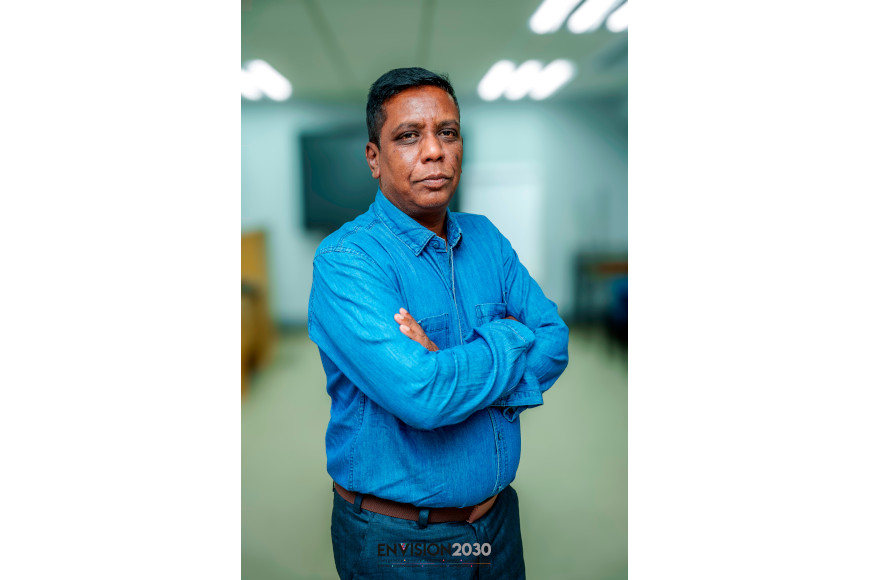
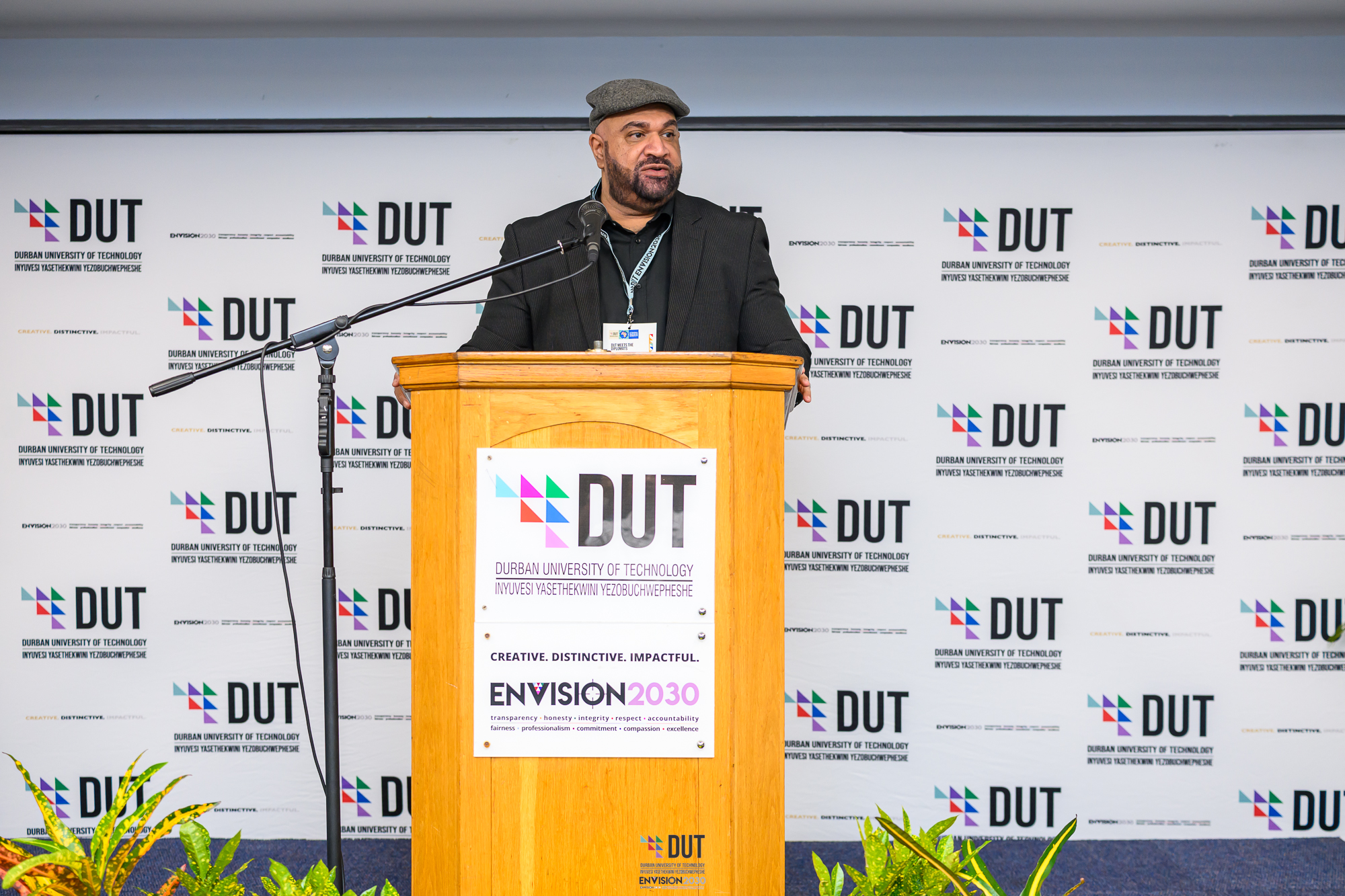
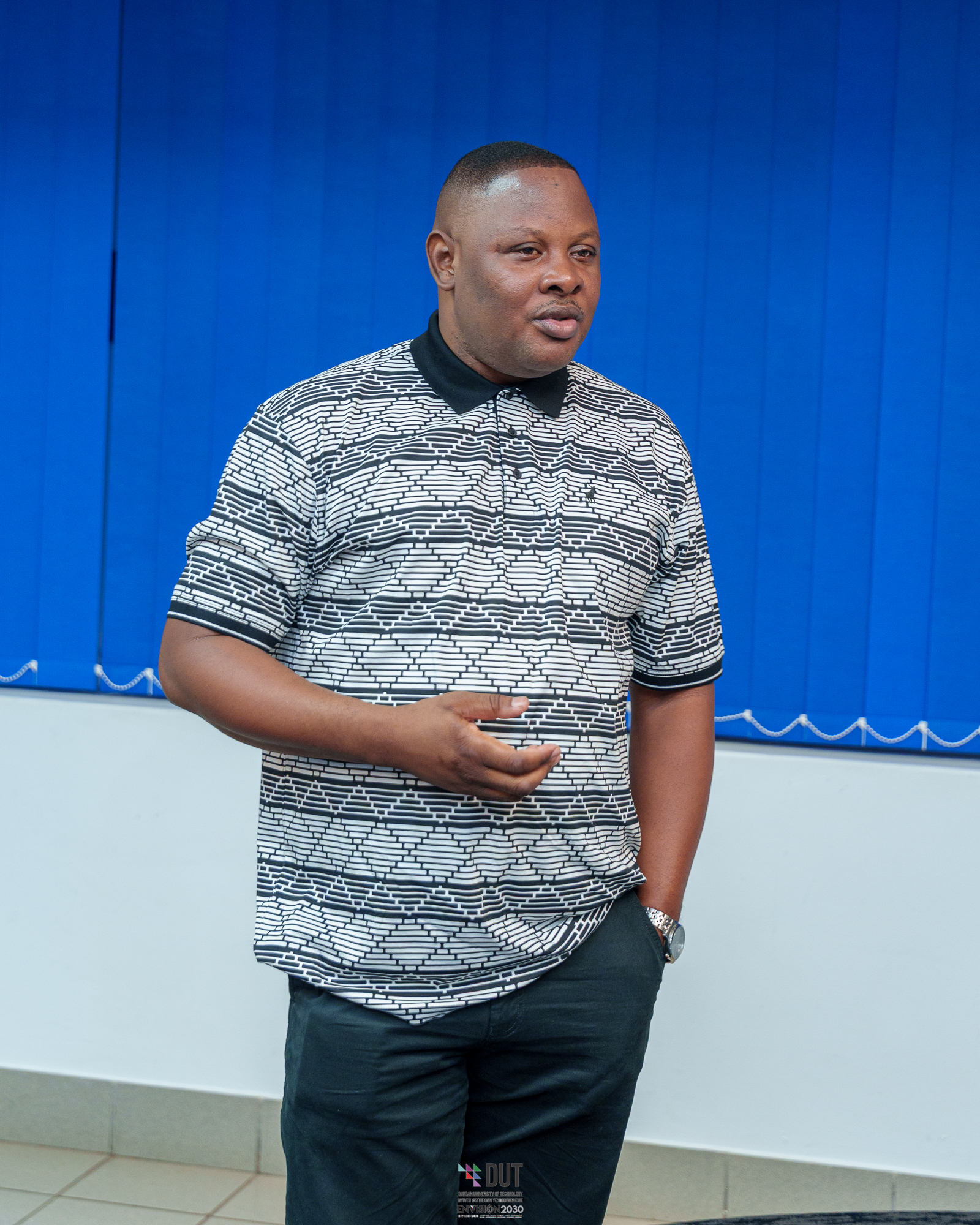
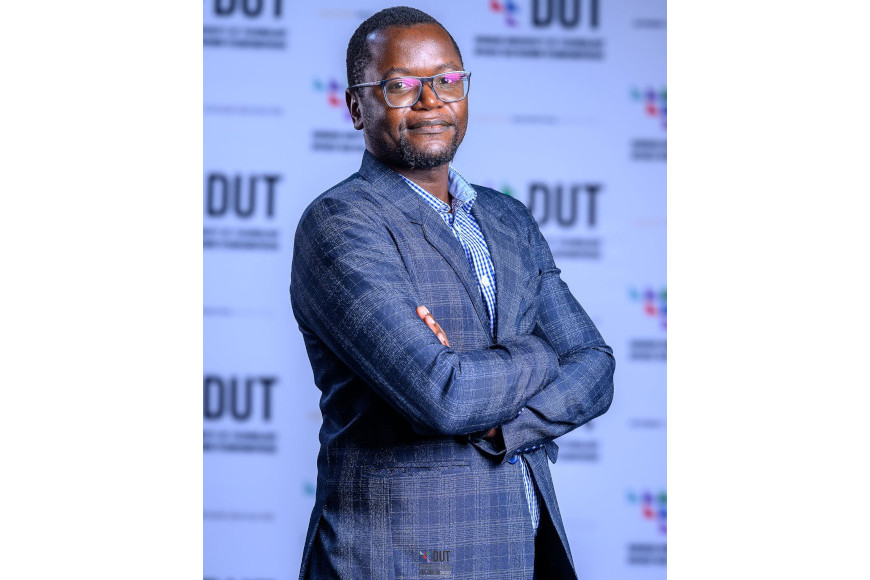
Pictured: DUT Business School Director, Professor Pfano Mashau.

Zinhle Rashee
https://www.dut.ac.za/research-news-prof-pfano-mashau-appointed-to-sustainable-development-goals-initiative-panel-of-experts/


DUT SRC STRENGTHENS CONTINENTAL PARTNERSHIPS THROUGH LEADERSHIP EXCHANGE IN TANZANIA


The Durban University of Technology (DUT) Student Representative Council (SRC) is participating in an international benchmarking and leadership exchange programme at the University of Dar es Salaam (UDSM) in Tanzania, strengthening continental partnerships while advancing DUT’s commitment to developing globally minded student leaders.


The visit, which forms part of DUT’s internationalisation agenda, is providing an opportunity for student leaders to benchmark best practices, exchange ideas and explore innovative approaches to governance, leadership development and student support. Through a series of engagements, delegates from both institutions are sharing experiences and identifying strategies to enhance the overall student experience at their respective universities.


The programme is featuring presentations on institutional governance, student affairs, clubs and societies, parliamentary structures, leadership development and student representation. Delegates are also participating in interactive discussions aimed at strengthening collaboration, promoting knowledge exchange and identifying opportunities for future cooperation between the two institutions.


The benchmarking visit builds on the partnerships established during the Continental Student Leadership Summit recently hosted by DUT, transforming dialogue into practical collaboration between African universities. It also reflects the University’s ENVISION2030 strategy by fostering leadership development, collaboration and partnerships that contribute to the advancement of higher education across the continent.


DUT SRC President, Mr Sihle Nkosi, said the visit is providing valuable insights into student leadership and governance while strengthening relationships with fellow African student leaders.


“This exchange is giving us an opportunity to engage with student leaders who share many of the same aspirations and challenges that we do. By learning from one another, we are identifying innovative ideas and best practices that can strengthen student governance at DUT while also building lasting relationships across the continent. As the programme continues, we are gaining valuable insights that we look forward to implementing at DUT to enhance the student experience and contribute to the continued growth of our institution.”


Manager: Student Governance and Development, Mr Masiza Ngculu, said international benchmarking remains an important platform for developing future-ready student leaders.


“Leadership development extends beyond the classroom. Exposing our student leaders to different institutional environments enables them to broaden their perspectives, appreciate diverse approaches to governance and return with practical insights that can enrich leadership at DUT. This exchange also strengthens the bonds between African universities and reinforces our shared commitment to advancing higher education on the continent.”


Beyond the formal programme, the visit is fostering cultural exchange, professional networking and meaningful relationships, enabling delegates to gain a deeper appreciation of the diverse higher education environments across Africa. These engagements are expected to strengthen collaboration between DUT and the University of Dar es Salaam, creating opportunities for future initiatives that will benefit students at both institutions.


As the programme continues, the DUT delegation remains committed to sharing institutional best practices, learning from its counterparts and identifying practical solutions to strengthen student leadership and governance. The knowledge and insights being gained through the exchange will support DUT’s vision of producing socially responsible graduates and leaders who are equipped to make a meaningful impact in their communities, across South Africa and throughout the African continent.


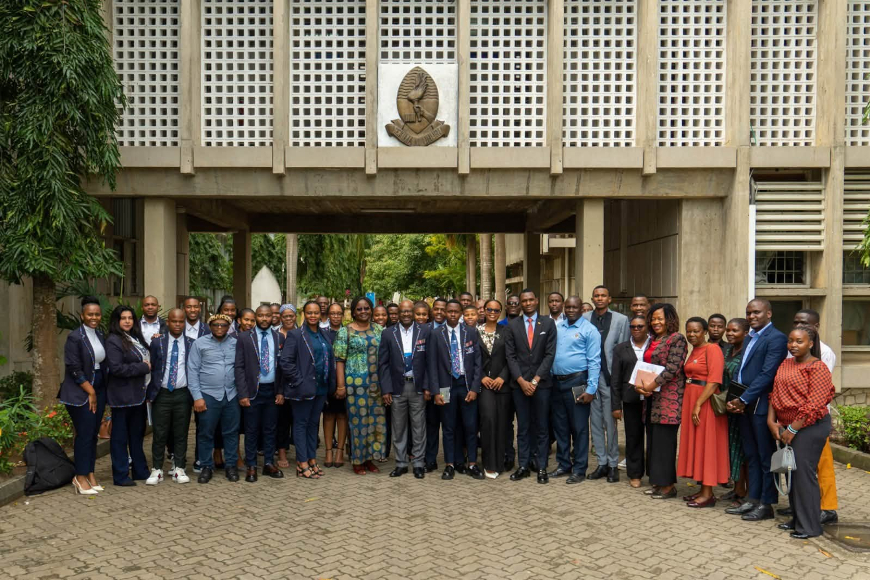
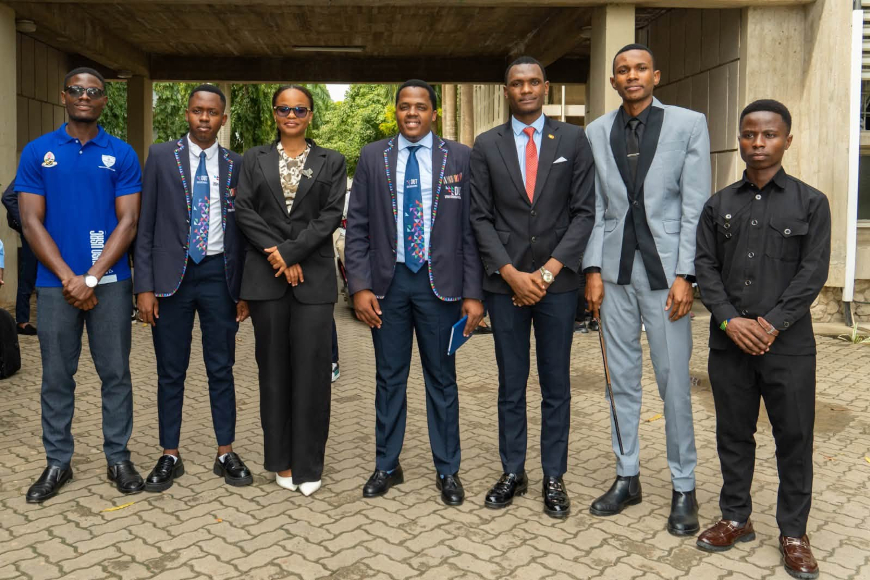
Pictured: SRC leaders at an international benchmarking and leadership exchange programme at the University of Dar es Salaam (UDSM) in Tanzania.

Tiyani Mboweni

https://www.dut.ac.za/dut-src-strengthens-continental-partnerships-through-leadership-exchange-in-tanzania/

RESEARCH NEWS: DUT’S DR SURESH BABU NAIDU KRISHNA RECOGNISED FOR INTERNATIONAL ACADEMIC CONTRIBUTION AT PARUL UNIVERSITY


Dr Suresh Babu Naidu Krishna, a Research Fellow at the Durban University of Technology (DUT), has received international recognition following his participation in the International Visiting Professor Program 2026 hosted by Parul University in Vadodara, India.


During the programme, Dr Krishna delivered several academic engagements and was awarded a Certificate of Professional Competence in Sustainability in recognition of his expert contribution to the International Faculty Development Program (IFDP) 2026, held from 2 to 19 February 2026. The programme, themed Embedding Sustainability through International Engagement (ESTIE), brought together 15 distinguished international professors from 14 countries and more than 100 multidisciplinary faculty members at Parul University.


As an international speaker, Dr Krishna presented an expert session focused on sustainability-driven approaches in higher education and research collaboration. His presentation encouraged meaningful academic dialogue and highlighted the importance of embedding sustainability in teaching, research and institutional partnerships.


In addition to this recognition, Dr Krishna also received a Certificate of Appreciation for serving as a resource person in an international webinar titled Innovating Healthcare through Market Analysis: Lessons for Nursing Leadership, organised by the Faculty of Nursing at Parul University.


Reflecting on the experience, Dr Krishna said the programme created a valuable platform for international academic exchange and collaboration.


“It was a privilege to participate in the International Visiting Professor Program at Parul University and engage with scholars and faculty members from across the world. Such platforms are important for sharing knowledge, exploring innovative research ideas and strengthening international collaboration that contributes to sustainable development and impactful education,” he said.


Dr Krishna specialises in nanotechnology, biotechnology, sustainable development and health sciences, and has built a strong research portfolio through peer-reviewed publications and international academic collaborations. His work also places strong emphasis on mentoring postgraduate students and emerging researchers, guiding them in research design, data analysis and academic publishing.


His international engagement aligns with the strategic goals of the Durban University of Technology under the ENVISION2030 strategy, which emphasises strengthening global partnerships, advancing impactful research and enhancing the university’s international visibility.


DUT congratulates Dr Krishna on this achievement and acknowledges his continued efforts to promote global academic collaboration and contribute to knowledge exchange across borders.


Photographer: S’bonelo Dlamini

Tiyani Mboweni

https://www.dut.ac.za/research-news-duts-dr-suresh-babu-naidu-krishna-recognised-for-international-academic-contribution-at-parul-university/

DUT SIGNS MOU WITH KZNA TO INTEGRATE CHIROPRACTIC INTO ATHLETICS


The Department of Chiropractic at the Durban University of Technology (DUT) and KwaZulu-Natal Athletics (KZNA) have joined forces through a new three-year Memorandum of Understanding, marking a major step in using science to boost athlete performance in the province.


The agreement was signed on 9 March 2026 at the Chiropractic Clinic, Ritson Campus. The partnership aims to create opportunities for students, promote collaborative research, and contribute to the continued development of athletics in KwaZulu-Natal.


Through this agreement, students will gain hands-on experience working with athletes in areas such as injury prevention, rehabilitation, and performance enhancement. The initiative will also strengthen research focused on athlete health, fitness, and overall well-being, ensuring that academic knowledge translates into real-world impact in the sporting environment.


Head of the Department of Chiropractic, Dr Desiree Varatharajullu, described the partnership as an important starting point that could lead to many future projects and a mutually beneficial relationship between the institutions.


“We are looking forward to this collaboration as it will provide students with valuable practical experience, allowing them to work directly with athletes and observe a wide range of conditions and injuries that may affect athletes across the province, closely aligning with their academic studies,” she said.


Dr Varatharajullu also credited Dr Grant Matkovich and the entire Chiropractic team for their dedication and efforts in making this exciting collaboration possible.


President of KZN Athletics, Mr Steve Mkasi, explained that the collaboration introduces a stronger scientific foundation within athletics to enhance the competitiveness of athletes in KwaZulu-Natal and that DUT is well positioned to contribute this expertise.


“This partnership integrates a scientific dimension into athletics, enhancing athletes’ health, performance, fitness, and recovery from injuries. It also provides a platform for athletes to pursue academic advancement alongside their sporting careers. In addition, our coaches will benefit from a deeper understanding of the scientific principles underpinning sport, enabling them to refine and elevate their training methodologies,” he said.


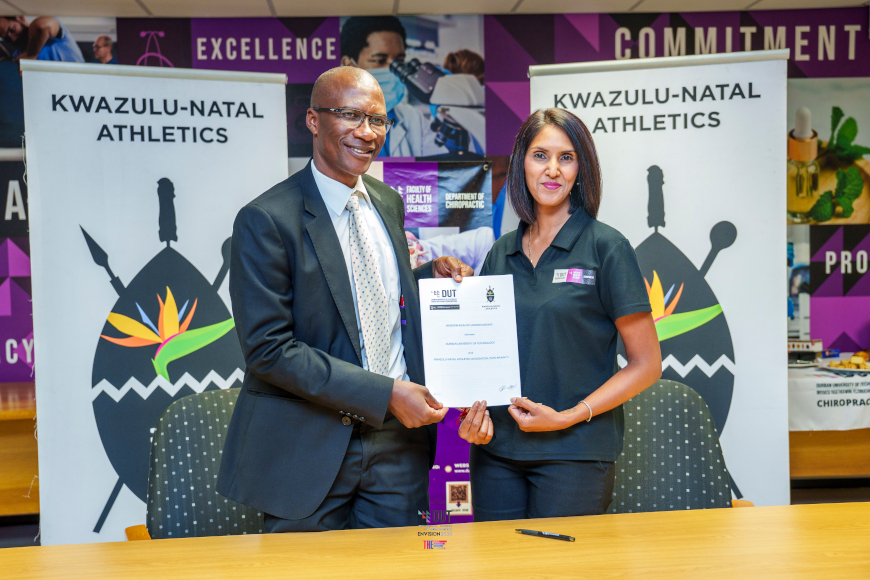
Pictured: President of the KZN Athletics, Mr, Steve Mkasi and DUT Head of the Department of Chiropractic, Dr Desiree Varatharajullu signing the MoU.


Photographer: Sbonelo Dlamini.

Vukani Langa

https://www.dut.ac.za/dut-signs-mou-with-kzna-to-integrate-chiropractic-into-athletics/


DUT CONVENES KZN DIPLOMATIC CORPS TO BUILD ROADMAP FOR INTERNATIONAL ENGAGEMENT


On Wednesday, 4 March 2026, the Durban University of Technology (DUT) welcomed representatives from 11 nations and the KwaZulu-Natal Diplomatic Corps to the DUT Hotel School for a landmark engagement, co-developing a practical roadmap for international collaboration aligned with DUT’s ENVISION2030 strategy.


Building Partnerships Across Borders


Prof Pfano Mashau, Director of the DUT Business School, welcomed delegates, emphasising that internationalisation is central to DUT’s mission. “Knowledge, innovation, and talent must move across borders to address shared developmental priorities,” he said. “This engagement is more than networking; it is a platform to deepen dialogue and contribute to sustainable development, skills advancement, and innovation-driven growth.”


Prof Mashau highlighted DUT’s Quad Helix approach, linking academia, industry, government, and civil society to develop connected solutions. He noted that DUT’s growing international footprint demonstrates the value of mutually beneficial, development-focused partnerships.


KZN’s Diplomatic Community: Eleven Consulates, One Agenda


The event was coordinated in partnership with Alain Pierre Gringoire, Dean of the KwaZulu-Natal Diplomatic Corps and Honorary Consul of Belgium, who helped convene diplomatic representation across the province. “KwaZulu-Natal is not only a hub for trade, tourism, and strategic ports; it is also a centre of knowledge, innovation and global engagement,” he said. “It connects the province to the world, and brings the world to KwaZulu-Natal.”


Of the 34 consulates based in KwaZulu-Natal, 11 sent representatives from Africa, Europe, and Asia, including the Consul-Generals of India and China, and representatives from Chile, Ethiopia, Mozambique, Finland, Switzerland, Italy, France, and Germany. Each outlined their role in facilitating collaboration between local institutions and international partners.


DUT’s Internationalisation Strategy: From Curriculum to the World


Dr Lavern Samuels, Director of International Education and Partnerships (IEP), presented DUT’s internationalisation strategy, highlighting five priorities: curriculum transformation and internationalisation at home; the Quad Helix partnership model; removing mobility barriers via funding and visa facilitation; investing in scholarships and diplomatic partnerships; and strengthening formal communication with international counterparts.


A key initiative is Collaborative Online International Learning (COIL), introduced at DUT over a decade ago. COIL enables global engagement without the financial and logistical barriers of travel. Today, more than 200 active COIL projects connect DUT students with peers worldwide, making international learning accessible to all.


“Beyond academic partnerships, COIL projects provide collaborative, project-based learning with international peers,” said Dr Samuels. DUT has also advised the Association of Commonwealth Universities (ACU) in developing a virtual exchange toolkit now used across its 600 member universities. In 2021, DUT received the AIEA Award for Excellence and Innovation in Internationalisation in recognition of this work.


From Dialogue to Commitment: The Roadmap Session


A moderated dialogue led by Eric Apelgren of Mkhongi Circle focused on translating goodwill into formal commitments, emphasising the importance of Memoranda of Understanding (MoUs) between DUT and diplomatic missions.


Networking discussions explored student and staff exchanges, investment in the province, bilateral scholarship opportunities, and expansion of existing initiatives, such as the Confucius Institute at DUT, which offers Mandarin language and vocational programmes. The session concluded with a commitment to review all active MoUs with High Commissions in Durban, establishing a clear picture of existing partnerships and future pathways for collaboration.


Next Steps


Closing the event, Dr Samuels expressed optimism about the relationships formed and outlined plans for diplomatic campus visits and continued engagement through DUT’s International Week, Africa Food Festival, and Diversity Day.


“We need to drive the evolution of education in socioeconomic development, change the world, and make a lasting impact,” he said.


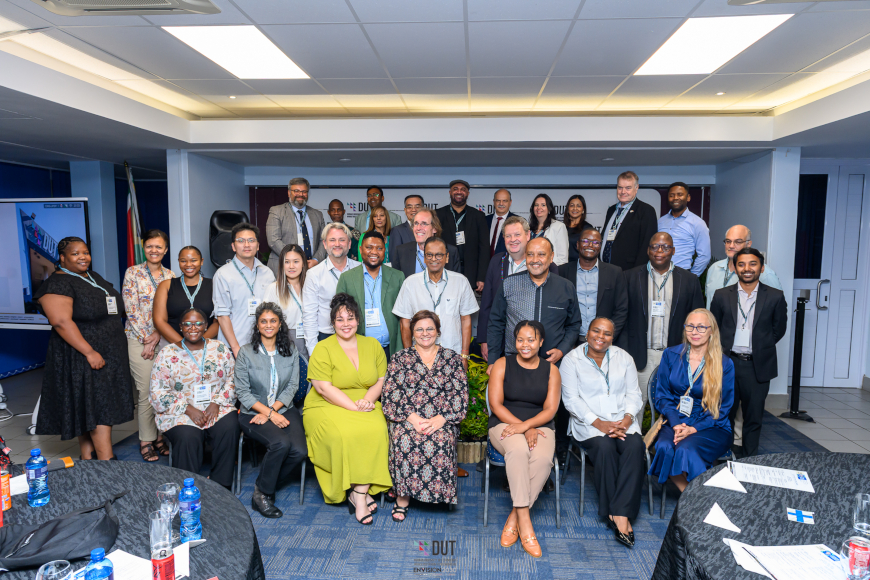
Pictured: Representatives of 11 nations, IEP staff, and the KwaZulu-Natal Diplomatic Corps at DUT Hotel School.


Waheeda Peters

https://www.dut.ac.za/dut-convenes-kzn-diplomatic-corps-to-build-roadmap-for-international-engagement/


DUT PLACED IN TOP 6% OF GLOBAL UNIVERSITIES IN 2026 WEBOMETRICS RANKING


Durban University of Technology (DUT) has further strengthened its global profile after being ranked among the top 6% of higher education institutions worldwide, in the 2026 Webometrics Ranking of World Universities.


The latest ranking assessed more than 32000 higher education institutions (HEIs) across the globe, positioning DUT within a select group of universities recognised for their digital visibility, research excellence and commitment to open access knowledge. In South Africa, the ranking included 124 institutions, among them all 26 public universities, reflecting a highly competitive national higher education environment.


DUT was ranked as South Africa’s leading University of Technology, underscoring its sustained academic and digital performance. In the 2025 Webometrics Rankings, DUT was also placed among the top 6% of universities worldwide.


The Webometrics Ranking of World Universities has been published since 2004 by the Consejo Superior de Investigaciones Científicas (CSIC), the largest public research organisation in Spain. Unlike many global rankings that primarily focus on long-established, globally recognised universities, Webometrics evaluates a broad spectrum of institutions, including those in the Global South that are often overlooked.


The ranking aims to promote open access to knowledge produced by universities and places emphasis on the quantity and quality of higher education web content. According to Webometrics, rankings play a critical role in shaping academic behaviour and institutional direction, noting that they are “one of the most powerful tools for initiating and consolidating change in academia, increasing scholars’ engagement, and establishing long-term strategies.”


Commenting on the achievement, Professor Fulufhelo Nemavhola, Deputy Vice-Chancellor: Research, Innovation and Engagement at DUT said, “The result reflects the university’s sustained focus on impactful and accessible scholarship. This recognition affirms DUT’s commitment to producing high-quality, socially responsive, impactful research that is visible, accessible and relevant beyond our institutional boundaries.”


He added that the Webometrics 2026 ranking highlights the collective efforts of the university’s academic community. “Being placed in the top 6% globally, out of more than 32000 institutions, is a significant milestone. In line with our ENVISION2030 strategy, it speaks to our growing research excellence, our digital maturity and our determination to contribute knowledge that makes a meaningful difference to society,” he said.


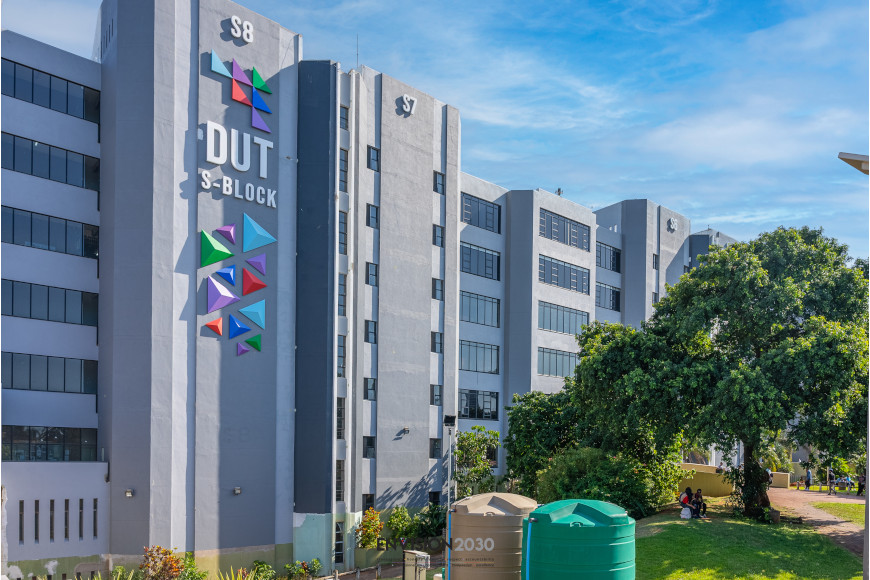
Pictured: DUT’s Steve Biko campus in Durban.


Photographer: Khulasande Tshayile

Alan Khan

https://www.dut.ac.za/dut-placed-in-top-6-of-global-universities-in-2026-webometrics-ranking/


DUT MAKES HISTORIC LEAP IN THE 2026 TIMES HIGHER EDUCATION IMPACT RANKINGS


The Durban University of Technology (DUT) has achieved a significant milestone in the 2026 Times Higher Education Sustainability Impact Rankings, improving its global standing from the 1001–1500+ band in 2025 to the 401–600 band. The 2026 rankings evaluated 1646 universities from 116 countries and territories around the world.


The results were announced on Wednesday, 24 June 2026 at the Global Sustainable Development Congress held in Jakarta, Indonesia, a key international gathering of higher education leaders and partners focused on advancing the United Nations Sustainable Development Goals (SDGs).


This notable improvement reflected DUT’s sustained commitment to its ENVISION2030 strategic framework and its ongoing efforts to position the University as a creative, distinctive and impactful institution under the visionary leadership of Vice-Chancellor and Principal, Professor Thandwa Mthembu.


DUT was represented at the announcement by Professor Fulufhelo Nemavhola, Deputy Vice-Chancellor: Research, Innovation and Engagement and Dr Nomcebo Mthombeni, Interim Director: Research and Postgraduate Support. Their participation underscored the University’s active engagement in global academic platforms and its commitment to strengthening research impact and international collaboration.


The improved ranking affirms DUT’s growing global recognition as a university whose core functions of teaching, research, innovation, engagement and partnerships are making meaningful contributions to sustainable development and societal transformation.


Commenting on the achievement, Professor Nemavhola said: “This achievement is more than a ranking; it is a powerful affirmation that DUT is an Impact-Visible University, an institution whose knowledge is not only produced and published, but seen in improved lives, stronger communities and sustainable development. Through ENVISION2030, we are deliberately building a university whose research, innovation and engagement reach beyond campus into communities, industries and the world. This recognition belongs to the entire DUT community, whose collective work continues to make the University creative, distinctive and impactful.”


This achievement is a collective milestone for the entire DUT community, reflecting the dedication and collaboration of academic and professional staff, students, alumni, and partners who continue to advance the University’s mission of delivering impactful, solutions-driven education and research that responds to real societal needs.


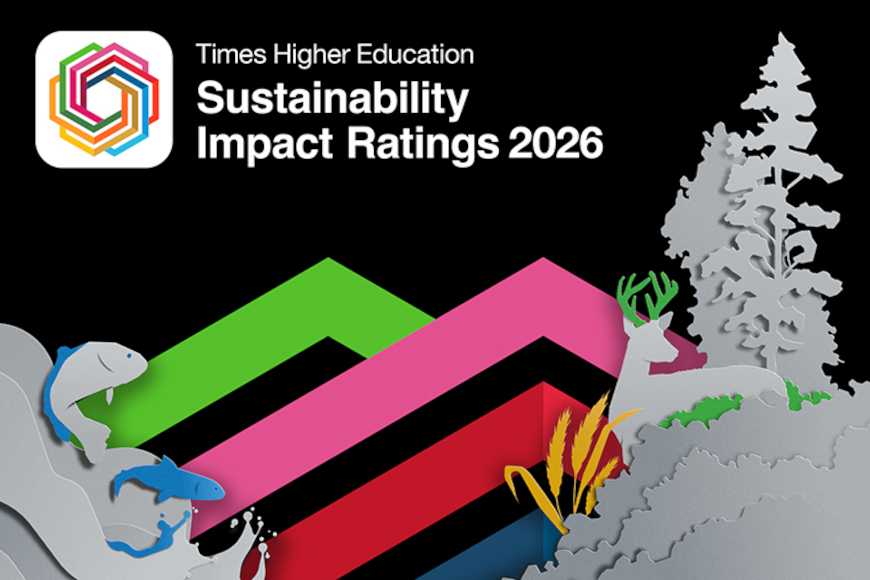
Pictured: DUT has improved its global standing to the 401–600 band in the 2026 Times Higher Education Sustainability Impact Rankings.


Tiyani Mboweni

https://www.dut.ac.za/dut-makes-historic-leap-in-the-2026-times-higher-education-impact-rankings/


DUT STRENGTHENS FACULTY COLLABORATION THROUGH COMMUNICATIONS WORKSHOP


The Communications Unit at the Durban University of Technology (DUT) hosted a workshop at the DUT Hotel School on Wednesday, 25 March 2026, bringing together Faculty Media Officers and departmental representatives to strengthen collaboration and enhance strategic communication across the institution.


The session focused on improving content creation, ensuring consistency in messaging, and aligning communication efforts with DUT’s ENVISION2030 Strategy. As the custodian of the university’s brand, the Communications Unit continues to play a key role in promoting a unified institutional voice and strengthening DUT’s public image.


Opening the workshop, Communications Manager Mr Tiyani Mboweni emphasised the importance of a coordinated approach to communication, urging departments to align their messaging with the Communications Office. He highlighted the need for clear, audience-focused content, effective use of digital platforms, and the sharing of impactful stories that showcase student and staff achievements.


Mboweni further emphasised the importance of profiling stories of innovation and entrepreneurship, particularly those emanating from Innobiz DUT Centre for Entrepreneurship and Innovation and the Centre for Social Entrepreneurship (CSE). He noted that such stories not only drive transformation but also reinforce DUT’s identity as a leading entrepreneurial university. He encouraged both units to actively share and communicate their stories with the Communications Unit to ensure they are effectively amplified across institutional platforms.


Pictured: Communications Manager Mr Tiyani Mboweni emphasises the importance of a coordinated approach to communication.


“There are times when strong stories are shared on limited platforms, missing the opportunity to reach wider audiences. We need to ensure that such content is channelled through our institutional platforms to maximise visibility and impact,” said Mboweni.


The workshop provided a platform for participants to discuss strategies for strengthening communication within their faculties. Asanda Dzelwa from the Faculty of Engineering and the Built Environment highlighted that their communication efforts are guided by operational plans and key performance indicators, requiring consistent and independent content production. Meanwhile, Sinelisiwe Hlongwane from the Centre for Social Entrepreneurship (CSE) noted the need to balance communication requirements between DUT and its partner, the Small Enterprise Development Agency (SEDA), particularly for community-based initiatives.


Samkelo Mayeza from the Faculty of Health Sciences described the workshop as productive, noting, “The session provided valuable insights and practical strategies for improving communication across our faculties. It has strengthened our collaboration and will help us tell the DUT story more effectively.”


Mboweni also stressed the importance of professionalism when using both personal and official social media platforms. He noted that all content must be approved, accurate, and aligned with university policies. He further outlined best practices, including the use of high-quality visuals, strategic posting, and active audience engagement, to maintain the university’s reputation and enhance visibility.


In his closing remarks, Mboweni thanked participants for their active engagement and commitment to promoting the university’s excellence, encouraging continued collaboration in showcasing DUT’s impact, innovation, and achievements.


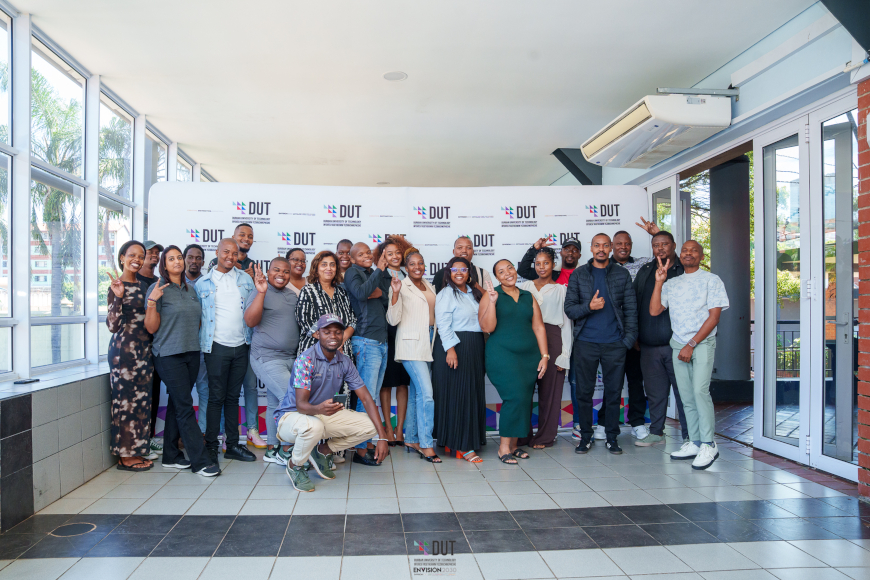
Pictured: After a successful communications workshop, the team came together to celebrate learning, growth, and collaboration.

Photographer: Khulasande Tshayile/ S’bonelo Dlamini
Phiwayinkosi Sibiya

https://www.dut.ac.za/dut-strengthens-faculty-collaboration-through-communications-workshop/


DUT BUSINESS SCHOOL ADVANCES 2026 CLIMATE CHANGE CONFERENCE PARTNERSHIPS WITH UNIVERSITIES IN GHANA AND MALAWI


To address the global challenge of climate change, the Durban University of Technology (DUT) Business School recently visited the University for Development Studies (UDS) and the University of Cape Coast in Ghana, as well as Mzuzu University and the University of Livingstonia in Malawi. The visit aimed to build mutually beneficial partnerships with these institutions, focusing on climate change research and solutions.


Leading the visit was Professor Simphiwe Nojiyeza of the DUT Business School. He believes that, together, the institutions can develop practical interventions to combat climate change.


At the University of Cape Coast, a community engagement workshop was held, co-hosted by the DUT Business School, the Department of Environment, Governance and Sustainable Development of the University of Cape Coast, and the Cape Coast Metropolitan Assembly.


“The Cape Coast Metropolitan Assembly, including its Environmental Health and Social Welfare departments, the National Disaster Management Organisation, Environmental Protection Authority, and Ghana Water Limited, provided input on their climate change adaptation plans. I presented a keynote address, officially opening the workshop together with Prof Emmanuel Tenkorang, the Dean of the School of Sustainable Development Studies,” shared Prof Nojiyeza.


DUT’s Professor Innocent Nojiyeza with the UDS delegation in Ghana.

At UDS, Prof Nojiyeza met with the Vice-Chancellor, Prof Seidu Al-Hassan, and the Dean of the Faculty of Sustainable Development Studies, Prof Adams Sulemana Achanso. He was accompanied by DUT doctoral candidate Ms Masego Tabane, who presented her research proposal to the faculty.


“Prof Al-Hassan highlighted that UDS’s participation in a climate change adaptation project will promote climate action, smart adaptation initiatives, and smart agriculture. He noted that the anticipated project outcomes will be linked to the curriculum. Established during the presidency of Jerry Rawlings, UDS was created to bridge the gap between northern and southern Ghana in access to quality education, now reaching 27 000 students with 2 000 staff. The outcomes of this research project will benefit society and bridge the gap between theory and practice,” said Prof Nojiyeza.


He commended Ms Tabane for presenting her PhD research to international panellists, emphasising that including PhD candidates and postdoctoral fellows in such projects fosters an interdisciplinary research culture across Africa and the Global South.


During the Malawi visit, Prof Nojiyeza shared that Mzuzu University actively supported DUT in organising the February 2025 Climate Change Conference. He was accompanied by Dr Mandla Abednico Mubecua.


“Mzuzu University, together with the University of Livingstonia and Lilongwe University of Natural Resources, will support the 2026 Climate Change Conference. In preparation, the universities are collaborating with DUT on a project titled Strengthening the Adaptive Capacity of Local African States – the Case of Ghana, Malawi, South Africa and Zimbabwe. This initiative supports joint publications, confirms conference themes and speakers, and helps organise scientific and conference committees,” explained Prof Nojiyeza.


Two PhD candidates under his supervision will conduct research in Ghana, Malawi or Zimbabwe, in addition to South African case studies.


The DUT delegation also met with Prof Wapulumuka Mulwafu, Deputy Vice-Chancellor of Mzuzu University, who confirmed that an MOU is being prepared for signature. The collaboration will include joint fundraising initiatives on climate change, water governance, sustainable development, co-supervision of postgraduate students, co-authorship of research papers, and engagement with state institutions and NGOs.


At the University of Livingstonia, the delegation engaged with Vice-Chancellor Prof Timothy Nyasulu, Deputy Vice-Chancellor Prof Bernard Kamanga, and Director of Research Mary Kumwanje. UNILIA hosts a Master of Sanitation programme in partnership with Makerere University of Uganda and the University of Dar es Salaam in Tanzania. UNILIA will assist Mzuzu University in co-hosting the 2026 Climate Change Conference. An MOU between DUT and UNILIA was recently signed to facilitate co-supervision of postgraduate students across faculties.


Prof Nojiyeza described both visits to Ghana and Malawi as a success, noting that the universities pledged their full commitment to collaborative efforts in combating climate change.


Pictured: Vice-Chancellor of the University for Development Studies (UDS), Prof Seidu Al-Hassan, and Dean of the Faculty of Sustainable Development Studies, Prof Adams Sulemana Achanso, welcoming the Head of Research and Innovation at the DUT Business School, Professor Simphiwe Nojiyeza.


Simangele Zuma

https://www.dut.ac.za/dut-business-school-advances-2026-climate-change-conference-partnerships-with-universities-in-ghana-and-malawi/


DUT AND FINLAND’S JAMK UNIVERSITY STRENGTHEN ENTREPRENEURSHIP AND INNOVATION PARTNERSHIP


In a bid to strengthen international collaboration, the JAMK University of Applied Sciences from Finland and the innobiz DUT Centre for Entrepreneurship and Innovation on Tuesday, 02 June 2026 hosted a delegation from JAMK during an entrepreneurship and innovation information-sharing session held at the DUT Indumiso Campus.


The engagement focused on strengthening cooperation between the two institutions and exploring opportunities for collaboration across key areas including entrepreneurship development, student and staff mobility, innovation ecosystems, research collaboration and broader international cooperation.


The session brought together academic and innovation stakeholders from both institutions, reinforcing a shared commitment to advancing entrepreneurship and innovation-led development within higher education.


Ms Lorna McCullough, DUT Ecotourism Senior Lecturer, welcomed the delegation and highlighted the importance of entrepreneurship and innovation within DUT’s ENVISION2030 strategy, noting that these priorities remain central to the university’s institutional vision and development agenda.


The Finnish delegation, led by Dr Sunday Adewale Olayele, emphasised the importance of multidisciplinary approaches in addressing global challenges, stating that entrepreneurship and innovation are now essential across all fields of study.


He commended DUT’s work in entrepreneurship development within the South African context and encouraged a stronger focus on social entrepreneurship, innovation-driven learning and increased opportunities for students to access funding and industry networks.


Ms Nontokozo Ngcobo, innobiz DUT Centre Manager, said the visit was important in strengthening the existing partnership with JAMK while opening new opportunities for collaboration, including student exchange programmes and joint academic initiatives.


She highlighted the complementary strengths of the two institutions, noting that DUT provides a large and dynamic student population, while JAMK offers strong infrastructure and international exposure opportunities for students and staff.


Mr Ouli Pekka, a specialist in artificial intelligence and digital innovation at JAMK, shared insights on how Finland uses technology-driven solutions to address societal and economic needs, noting that innovation must always be shaped by local context and national realities.


He encouraged students to use their academic environment as a platform to test, develop and refine ideas that respond to real-world challenges.


Mr Jarkko Immonen, Senior Lecturer at JAMK School of Business, said his focus is on supporting students to establish their own companies, noting that several student-led ventures have already been successfully launched through the programme.


One of the beneficiaries of the partnership, Mr Luyanda Majozi, founder of streetwear brand Enigmatic Cotton, shared his experience as an exchange student in Finland. He said entrepreneurship is deeply embedded in Finnish education and that working with international peers broadened his perspective and strengthened his entrepreneurial approach.


He added that the experience challenged him personally and professionally and enabled him to apply global insights to his business in South Africa.


Dr Xolani Mhlongo from the DUT Department of Nursing said the department is actively exploring ways to integrate entrepreneurship into its curriculum in response to graduate unemployment challenges. He noted that students are being encouraged to develop innovative ideas that can be transformed into viable business opportunities.


The visit reaffirmed the growing partnership between DUT and JAMK University of Applied Sciences, with both institutions committed to expanding collaboration in entrepreneurship, innovation and global academic exchange.


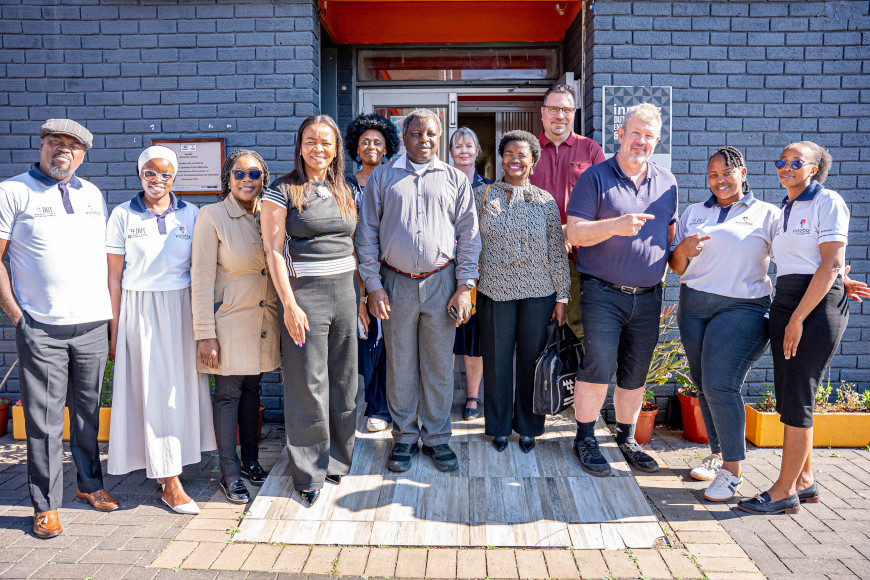
Pictured: The innobiz DUT staff, led by Ms Nontokozo Ngcobo, alongside the visiting delegation from JAMK, Finland. 


Photographer: Khonzinkosi Magcaba.

Samkelo Mtshali

https://www.dut.ac.za/dut-and-finlands-jamk-university-strengthen-entrepreneurship-and-innovation-partnership/


DUT STRENGTHENS GLOBAL INNOVATION AGENDA THROUGH STRATEGIC THENSA VISIT TO IISC BANGALORE


Durban University of Technology (DUT) is converting international engagement into institutional momentum as it deepens its research, innovation, entrepreneurship and technology transfer agenda.


DUT’s pursuit of becoming a creative, distinctive and impactful university received renewed impetus through its participation in the Technology Higher Education Network South Africa (THENSA) delegation visit to the Indian Institute of Science (IISc) in Bangalore, India.


The visit, which took place from 29 June to 3 July 2026, brought together senior leaders, researchers and innovation practitioners from South African universities of technology and partner institutions. DUT was represented by Professor Fulufhelo Nemavhola, Deputy Vice-Chancellor: Research, Innovation and Engagement and Professor Rendani Wilson Maladzhi, Head of Department and Associate Professor.


For DUT, the visit was far more than a ceremonial international engagement. It was a deliberate strategic learning mission aimed at examining how a globally respected science and technology institution integrates research excellence, postgraduate development, advanced infrastructure, entrepreneurship, industry partnerships, technology transfer and societal impact into a coherent, high-performing institutional ecosystem.


The engagement took place at a critical moment in DUT’s own institutional journey, as the University continues to advance ENVISION2030 and consolidate its identity as an engaged university of technology. It also came at a time when universities are increasingly expected to transcend conventional academic outputs and contribute more directly to economic development, social transformation, digital readiness, sustainability and the preparation of future-fit graduates.


Over the course of the week-long programme, the THENSA delegation engaged with a wide range of IISc platforms and research structures spanning international relations, advanced microscopy and microanalysis, energy research, design and manufacturing, sustainable technology, artificial intelligence, robotics, innovation and entrepreneurship, nanofabrication, supercomputing, cybersecurity, computational data sciences and water research.


These engagements offered DUT valuable insight into how a research-intensive science and technology institution builds purposeful bridges between knowledge creation and practical application.


IISc’s model demonstrated the value of shared research infrastructure, coordinated innovation systems, structured entrepreneurship support, strong postgraduate pipelines, industry-facing platforms and carefully cultivated institutional partnerships.


A central lesson for DUT was that research, innovation and entrepreneurship should not be treated as isolated institutional functions. For a university of technology, they must operate as an integrated value chain. Research must ignite innovation. Innovation must enable enterprise development. Enterprise development must contribute meaningfully to industry, communities and society. In this way, universities become engines of knowledge, creativity, inclusive development and measurable impact.


The engagements with the IISc Innovation Council and the Foundation for Science, Innovation and Development were particularly relevant to DUT’s expanding innovation and entrepreneurship agenda. They illustrated how universities can establish structured pathways through which ideas move from classrooms and laboratories into prototypes, intellectual property, startups, industry partnerships and market-ready solutions.


Professor Maladzhi’s participation was especially significant in this regard. As DUT advances entrepreneurship education, graduate enterprise development and innovation-led curricula, the visit offered practical lessons on how entrepreneurship can be embedded across institutional culture, academic programmes, incubation support, innovation infrastructure and student development. It also reinforced the importance of supporting students and academics not only as producers of knowledge, but as creators of technologies, enterprises, products and services.


The programme further exposed the delegation to cutting-edge work in artificial intelligence, robotics, computational data sciences, cybersecurity, supercomputing and AI-driven transformation in higher education. These fields are central to the future of universities, industries and societies. For DUT, they present significant opportunities to accelerate digital transformation, design future-oriented academic programmes, strengthen data-driven research and explore how artificial intelligence can enhance teaching, learning, research, administration and innovation.


The visit to ARTPARK at IISc and the engagement with the AI for Research and Engineering eXcellence research group were particularly instructive in demonstrating how artificial intelligence, robotics and advanced computational tools can be mobilised to address complex problems.


These insights align strongly with DUT’s ambitions in digital transformation, smart systems, applied research, technology-enabled innovation and the future of work.


Sustainability emerged as another defining theme of the visit. Engagements with the Centre for Sustainable Technology, the Interdisciplinary Centre for Energy Research and the Interdisciplinary Centre for Water Research highlighted the growing importance of energy, water resilience, climate-related research, sustainable infrastructure and community-responsive technologies. These areas resonate strongly with DUT’s ENVISION2030 perspectives of Stewardship, Systems and Processes, Sustainability and Society.


For DUT, as a university rooted in KwaZulu-Natal and deeply connected to the realities of South Africa and the African continent, these lessons are especially pertinent. The University has a timely opportunity to strengthen research and innovation in water security, wastewater treatment, renewable energy, sustainable manufacturing, climate adaptation, smart infrastructure, community-based technologies and inclusive innovation.


The visit also underscored the strategic importance of advanced research infrastructure. Facilities related to microscopy, microanalysis, nanofabrication, micro-nano characterisation and supercomputing demonstrated how shared high-end platforms can strengthen postgraduate training, interdisciplinary research, industry collaboration and technology development. This has direct implications for how DUT conceptualises future research infrastructure, shared laboratories, specialised equipment and institutional platforms that can serve multiple faculties and research domains.


Reflecting on the significance of the visit, Professor Nemavhola emphasised that international engagements must yield tangible institutional value.


“This visit provided important lessons for DUT on how research, innovation, entrepreneurship, technology transfer and international partnerships can be integrated more deliberately. As DUT, we must ensure that international engagements are not ceremonial. They must create opportunities for our academics, postgraduate students, innovators, entrepreneurs and communities. The real value of such visits lies in what we do afterwards,” said Professor Nemavhola.


He further noted that DUT must learn from globally leading institutions while remaining anchored in its own mandate and context as a South African university of technology.


“We are not seeking to copy the Indian Institute of Science. We are seeking to learn from its systems, discipline, infrastructure, partnerships and innovation culture so that DUT can strengthen its own model. Our responsibility is to build a university that responds to South Africa, the African continent and the Global South while remaining globally competitive,” he said.


Following the visit, DUT will explore the development of a focused post-visit institutional action plan to translate the lessons from IISc into practical outcomes. This may include mapping potential areas of collaboration to relevant DUT faculties, research units, innovation structures and postgraduate programmes. Priority areas may include water research, sustainable technology, energy, smart manufacturing, artificial intelligence, robotics, computational data sciences, cybersecurity, technology transfer, innovation policy and entrepreneurship ecosystem development.


DUT will also consider how the insights gained from the Indian Institute of Science can inform institutional policy development, research collaboration, postgraduate support, innovation infrastructure, entrepreneurship programming and industry engagement. These lessons are expected to support ongoing efforts to strengthen DUT’s innovation pipeline, improve coordination between research and commercialisation structures and enhance the University’s contribution to industry, communities and society.


The THENSA platform remains a valuable mechanism for enabling universities of technology to collaborate, learn from one another and engage leading international institutions. Through THENSA, DUT is able to participate in strategic engagements that strengthen the national university of technology sector and position South African institutions within broader international knowledge and innovation networks.


As DUT advances ENVISION2030, the IISc visit serves as a timely reminder that the future of higher education belongs to institutions that can connect research with innovation, innovation with enterprise, and enterprise with societal impact. For DUT, this visit represented an important step in strengthening its journey towards becoming a globally connected, locally responsive and future-focused university of technology.


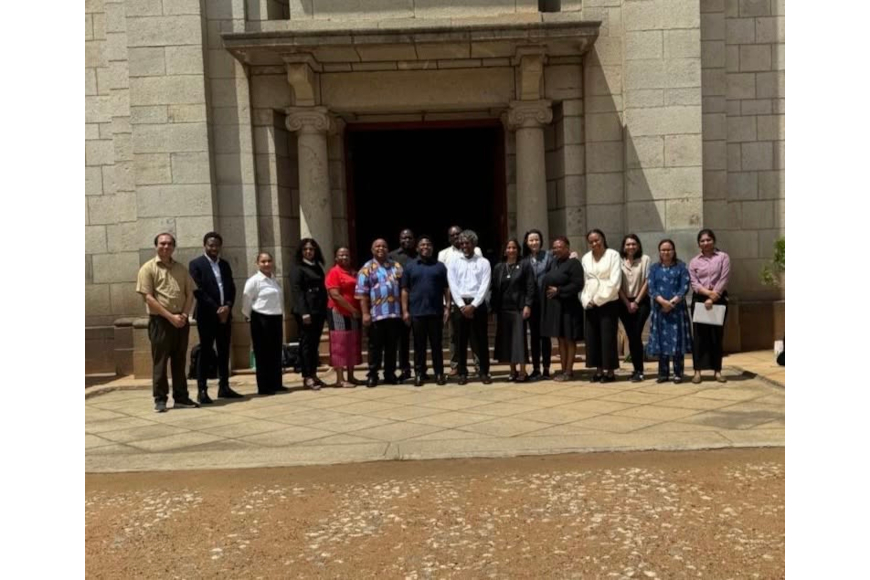
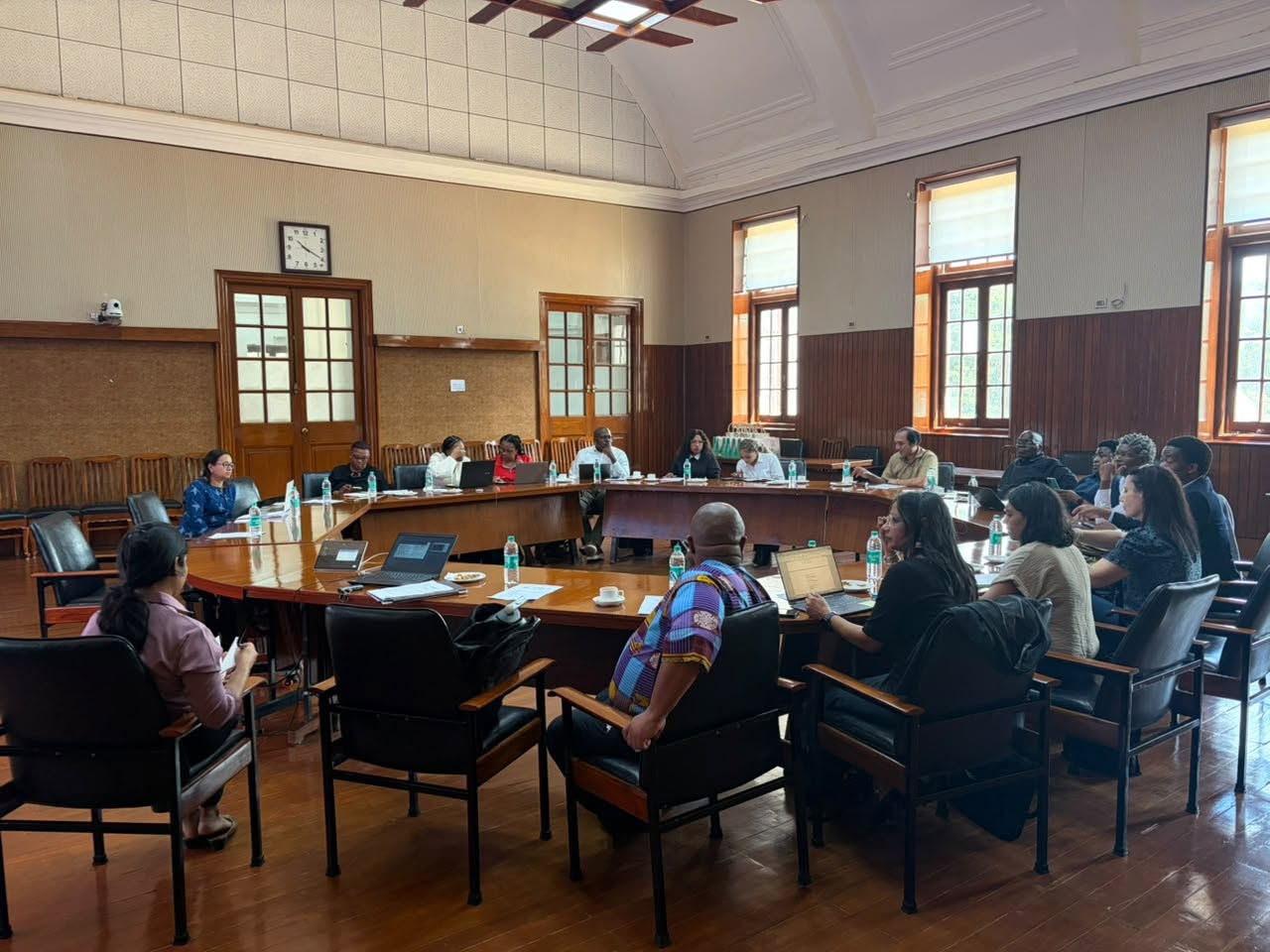
Pictured: The THENSA delegation visit to the Indian Institute of Science (IISc) in Bangalore, India.


Alan Khan

https://www.dut.ac.za/dut-strengthens-global-innovation-agenda-through-strategic-thensa-visit-to-iisc-bangalore/


DUT BRINGS RESEARCHERS TOGETHER FOR IORAG ACADEMIC GROUP ROADSHOW TO STRENGTHEN RESEARCH AND INNOVATION COLLABORATION


The Durban University of Technology’s Technology Transfer and Innovation and Research and Postgraduate Support units, in partnership with the National Research Foundation and the Department of Science, Technology, and Innovation, hosted the third KZN South Africa Indian Ocean Rim Association Academic Group Roadshow. The event was held at Steve Biko Campus, Rendezvous Restaurant, on Monday, 09 March 2026. Its aim was to raise the visibility of IORA across South African universities and highlight the benefits of engagement with the organisation.


The roadshow provided a major platform for innovation and research collaboration. It brought together students, researchers, and industry experts to explore advanced technologies and foster partnerships within IORA.


Dr Nomcebo Mthombeni, Interim Director of the Research and Postgraduate Support Unit, introduced IORA and encouraged researchers and experts to engage with the organisation, given South Africa’s proximity to the Indian Ocean. She emphasised the importance of identifying areas of growth that could strengthen the history, values, and culture of IORA. She highlighted the role of Artificial Intelligence in driving innovation and achieving significant impact.


Dr Nokuthula Mchunu, Manager of International Collaborative Research Grants at the National Research Foundation, provided an overview of the foundation’s priorities. She stated that the NRF’s mandate is to support, promote, and advance research, human capacity, and research infrastructure. She explained that partnerships aim to leverage additional resources to drive the system, extend mutual benefits, and are not limited to financial investment alone.


The Chair of SA IORAG, KGame Malope, discussed the role of the network in strengthening collaboration and research within the region. He explained that the network connects academics, researchers, and institutions to promote knowledge sharing and collaborative research on issues relevant to the region. He highlighted the importance of providing a platform where academics can contribute research that informs government policies and supports evidence-based decision-making.


Malope explained that IORAG fosters an open exchange of ideas among member states, disseminates knowledge related to the Indian Ocean Rim, and supports IORA’s institutional research work. This includes initiatives involving the Young Future Leaders of IORA, the Council of Women, the Academic and Technical Body, as well as financial and technical programmes that support IORA groups. The network also provides evaluation and advisory services on science activities within IORA and coordinates research produced by member states.


Nicole du Plessis from the SA IORAG Secretariat provided an overview of South Africa’s role in supporting academic engagement within the region. She highlighted IORA’s focus areas, including disaster risk management, water security, sanitation, desalination, climate change, marine science, and traditional medicinal products. She noted South Africa’s significant investment in maintaining strong participation in IORA, influenced by the country’s historical connection and Nelson Mandela’s role as a founding figure.


Du Plessis explained that South Africa strengthens collaboration between government, universities, and research institutions through platforms such as the SA IORAG academic network. This network coordinates academic participation, supports policy development through evidence-based research, and encourages regional cooperation. The platform consists of a steering committee, stakeholder groups, and thematic research groups aligned with IORA priority areas, including climate change. She also highlighted initiatives that expand academic engagement, such as workshops, national meetings, early-career professional networks, research collaborations, and funding opportunities through the IORA Special Fund. These initiatives support research projects, mobility opportunities, and knowledge sharing across member states. She concluded by encouraging academics, students, and stakeholders to participate in IORA activities, join the network, and contribute to research and policy development that supports sustainable development in the Indian Ocean region.


Guest speakers included Melissa Philander from the SA IORAG Secretariat, who discussed the Ocean20 overview and continuity, and Dr Veshal Surban from the University of KwaZulu-Natal, who presented on Anchoring Maritime Governance: Teaching the Law of the Sea and Maritime Law.


KGame Malope concluded the roadshow by thanking participants for their active engagement and continued support. He highlighted the importance of strengthening research networks and promoting multidisciplinary collaboration among students, academics, and professionals. He encouraged participants to remain involved in expanding research agendas and contributing ideas to the research community, and he expressed appreciation for everyone’s participation while encouraging continued engagement in future initiatives.


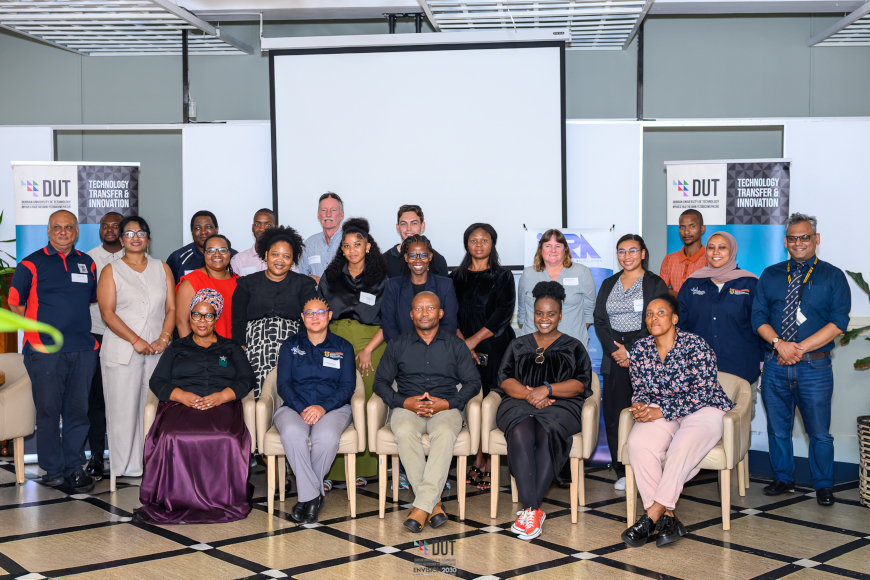
Pictured: Distinguished guests at the third KZN South Africa Indian Ocean Rim Association Academic Group Roadshow


Photographer: Khulasande Tshayile.

Sifundo Thwala and Phiwayinkosi Sibiya

https://www.dut.ac.za/dut-brings-researchers-together-for-iorag-academic-group-roadshow-to-strengthen-research-and-innovation-collaboration/


DUT PHD CANDIDATE WINS TOP HONOURS AT BRICS POSTGRADUATE FORUM IN BRAZIL


Durban University of Technology (DUT) proudly celebrates the international achievement of PhD candidate and staff member, Mr Thembinkosi Peter Kalanga, who presented at the 5th BRICS Postgraduate Forum held at the University of Campinas (UNICAMP), Brazil, from 9 to 11 June 2026.


The prestigious forum, convened under the theme BRICS and Sustainable Development in a Multipolar World: Governance, Innovation, and Market Transformation, brought together postgraduate researchers, academics and policy experts from BRICS+ countries and across the Global South. The event provided a dynamic platform for critical dialogue on governance, sustainability, innovation and inclusive economic development.


Mr Kalanga demonstrated exceptional scholarly excellence by successfully submitting three research papers, including one that was selected for presentation at the forum. His work contributed meaningfully to ongoing academic and policy discussions on sustainable development and entrepreneurship within emerging economies.


Among his submissions was a paper titled, “Municipalities as Strategic Enablers of Waste Entrepreneurship in BRICS Economies: A Qualitative Desktop Study.”


The research highlights the critical role municipalities can play in fostering waste entrepreneurship, driving environmental sustainability and promoting inclusive economic growth across BRICS nations.


In recognition of his outstanding contribution, Mr Kalanga received the Best Paper in Session award in the PhD category. He was also awarded a Certificate of Achievement as the Second Runner-Up in the PhD category.


These accolades underscore the quality and global relevance of DUT’s postgraduate research and reflect the university’s commitment to producing impactful, policy-oriented scholarship that addresses real-world challenges.


Reflecting on his achievement, Mr Kalanga expressed sincere gratitude for the support he received.


“I am deeply appreciative of the Durban University of Technology, the Faculty of Management Sciences, my PhD supervisor, Prof Pfano Mashau, the BRICS Research Institute and the conference organisers. Their encouragement and support have been instrumental in enabling me to participate in international scholarly platforms and contribute to global conversations,” he said.


His supervisor, Prof Pfano Mashau, Director of the DUT Business School, was equally delighted by Mr Kalanga’s success and said the achievement demonstrated the calibre of postgraduate research being produced at the university.


“Congratulations to Mr Kalanga on this outstanding achievement. His success is a testament to the quality of research emerging from DUT and serves as an inspiration to other postgraduate students to pursue excellence and take advantage of opportunities to showcase their work on international platforms,” said Prof Mashau.


The BRICS Postgraduate Forum continues to serve as a flagship initiative dedicated to strengthening postgraduate research capacity, fostering interdisciplinary collaboration and advancing knowledge production across the Global South.


Mr Kalanga’s success not only elevates DUT’s international academic profile but also inspires emerging scholars to pursue excellence and actively engage in global research communities.


Pictured: Mr Thembinkosi Peter Kalanga at the 5th BRICS Postgraduate Forum in Brazil.


Zinhle Zungu-Rashee

https://www.dut.ac.za/dut-phd-candidate-wins-top-honours-at-brics-postgraduate-forum-in-brazil/


PROFESSOR SUREN SINGH WINS TIANJIN’S HIGHEST HONOUR FOR ADVANCING CHINA-SA SCIENCE COLLABORATION


Professor Suren Singh, Executive Dean of the Faculty of Applied Sciences at the Durban University of Technology (DUT), has been awarded the Tianjin Haihe Friendship Award, the highest honour conferred by the Tianjin Municipal Government on foreign experts since 2006, in recognition of his long-standing contribution to scientific collaboration between South Africa and China.


The award was presented during the Tianjin Conference on High Quality Development of Talents, held in Tianjin, China, on 28 May 2026 and Prof Singh was one of ten recipients to receive the award. The event brought together government officials, researchers, and industry representatives to explore approaches to talent development and international cooperation in science and innovation.


Professor Singh’s recognition is closely tied to his nearly 20-year collaboration with Prof Zhenxiang Wang at Tianjin University of Science and Technology (TUST). Working with Professor Wang Zhengxiang and colleagues, he has helped build sustained research cooperation in areas such as biocatalysis, enzyme technology, and biomass utilisation.


Over the years, the partnership between DUT and TUST has supported several jointly funded research projects (NRF – MOST and BRICS) and enabled regular exchange of researchers and postgraduate students, more than 30 in total since 2008. It has also contributed to joint supervision arrangements that continue to strengthen academic links between the two institutions which have led to 36 joint publications in high IF journals. “This achievement makes our collaboration one of the most successful biotechnology partnerships ever established between our two countries”, said Prof Singh.


During his visit, Professor Singh took part in meetings with representatives from TUST and the Tianjin Association for Science and Technology, where discussions focused on strengthening existing areas of collaboration and identifying new opportunities for joint research and training.


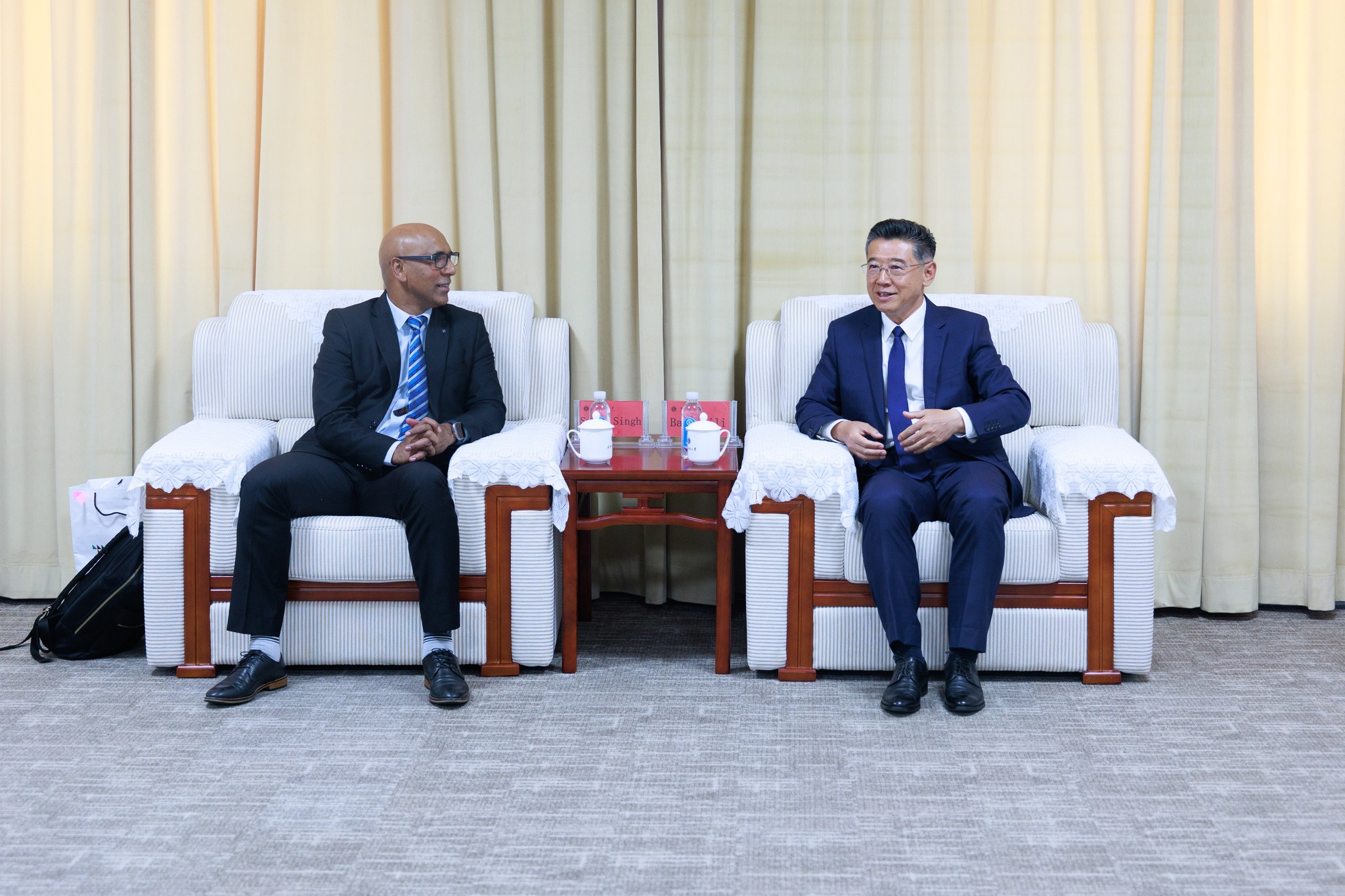
Prof Bai Haili, Party Secretary and Chairman of the University Council of TUST, warmly met with Professor Suren Singh and expressed the university’s highest respect for his long-term efforts in advancing cooperation between the two universities and supporting Tianjin’s development.He praised Professor Singh for facilitating major Ministry of Science and Technology projects, aligning research with South African industry needs, and establishing a regular cooperation platform involving TUST, the South African Association for Agricultural Development, and DUT.


Bai Haili expressed hope that Professor Singh’s Haihe Friendship Award would serve as a new starting point to deepen cooperation in biocatalysis and biomass resource utilisation.


He emphasised the desire to build a benchmark model for China-South Africa science and education collaboration while contributing to Tianjin’s opening-up and the China-South Africa community with a shared future.


TUST President Professor Lu Fuping congratulated Professor Singh during a special meeting held in his honour and acknowledged his contribution to the university’s international cooperation efforts.


“Your receipt of this award is not only a recognition of your personal contribution, but also of the strong partnership built over many years between our institutions,” said Professor Lu.


In the same visit, Professor Singh was formally appointed as a Visiting Professor at Tianjin University of Science and Technology, further strengthening the institutional relationship between DUT and TUST.


Accepting the award, Professor Singh thanked the Tianjin Municipal People’s Government and TUST as well as DUT, the NRF, NSF and MOST for their continued support.


“Working with Tianjin University of Science and Technology has been one of the most rewarding parts of my academic career, I am fully committed to working hand-in-hand with President Lu, Professor Wang, and the entire TUST team to elevate our partnership to new heights, not only for the benefit of our two universities, but for the greater advancement of science and technology between China and South Africa”, he said


He noted that the collaboration had grown steadily over many years and expressed his intention to continue strengthening academic links between the two institutions.


As part of his programme in Tianjin, Professor Singh delivered a lecture to students and staff at TUST, where he shared recent developments in biotechnology research and highlighted areas for possible future collaboration. He also engaged with industry representatives on opportunities for applied research and technology development.


The visit concluded with discussions with postgraduate students involved in joint supervision arrangements between DUT and TUST.


Professor Singh is a B3 NRF-rated researcher and this recognition highlights DUT’s growing international research presence and reflects the value of long-term institutional partnerships in advancing scientific work internationally.


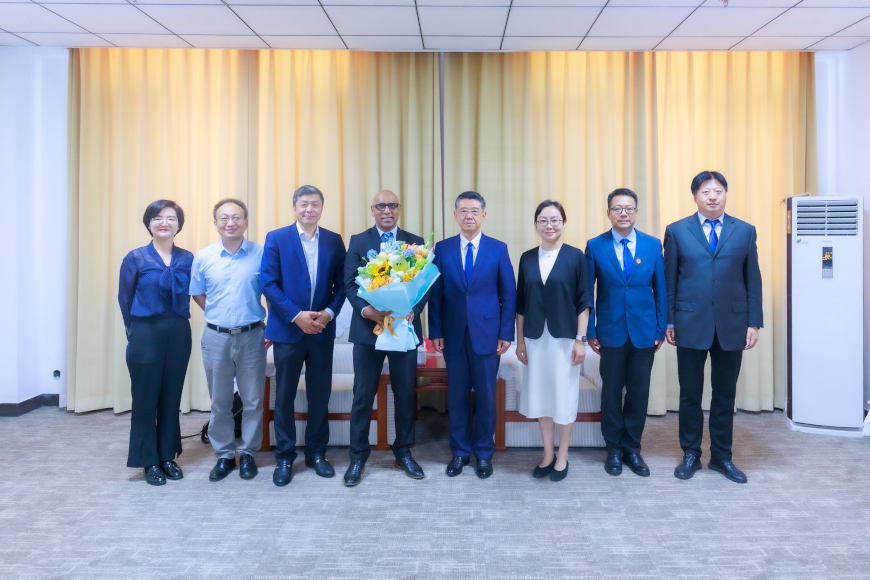
Pictured: Executive Dean of the Faculty of Applied Sciences: Professor Suren Singh, and the Tianjin Municipal People’s Government and TUST delegation.


Tiyani Mboweni

https://www.dut.ac.za/professor-suren-singh-wins-tianjins-highest-honour-for-advancing-china-sa-science-collaboration/


DUT CONFUCIUS INSTITUTE STUDENTS MAKE HISTORY AT 25TH “CHINESE BRIDGE” CHINESE PROFICIENCY COMPETITION, SOUTH AFRICAN REGIONAL FINAL


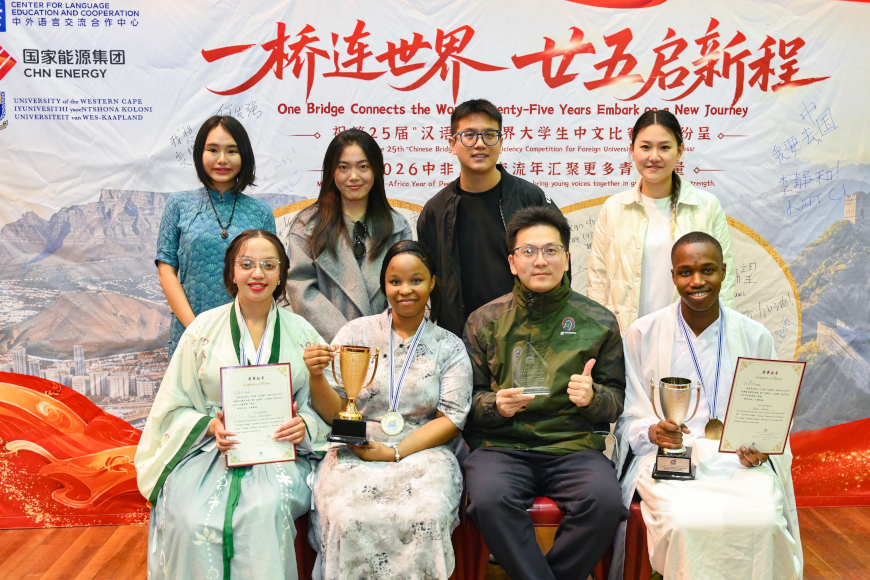
Durban University of Technology (DUT) has once again solidified its position as a leader in international engagements. Students from the DUT Confucius Institute (CI) achieved a historic milestone by clinching both the first and second prizes at the 25th “Chinese Bridge” Chinese Proficiency Competition for Foreign College Students, South African Regional Final, held at the University of the Western Cape (UWC) on 14 May 2026.


The competition’s theme, “One World, One Family,” was brought to life through the personal journeys of the DUT participants:


  • Sixolise Tshobonga (李静和, Li Jinghe) – First Prize (Overall Winner):Sixolise captivated the judges with her speech, 《舞蹈连结的汉语梦》 (Dancing Towards a Chinese Dream). She recounted how a performance by students from the Beijing Dance Academy during a Mid-Autumn festival event sparked her passion for Mandarin. This connection blossomed into a cross-border friendship and a deep commitment to language learning. As the grand prize winner, she will represent South Africa in the upcoming global finals in China.
  • Aphile Ngcobo (孔荣生, Kong Rongsheng) – Second Prize:Aphile shared an inspiring narrative centered on social impact and sustainable development. Having traveled to Fujian Agriculture and Forestry University to study “Juncao Technology”, he has since begun cultivating mushrooms by Juncao locally. His goal is to use this Chinese innovation to alleviate poverty and empower communities in South Africa. This year’s competition was particularly significant, marking the 25th anniversary of the “Chinese Bridge” Competition and a decade since Mandarin was integrated into South Africa’s national curriculum. The event saw a record-breaking turnout, with over 50 applicants nationwide, eventually narrowed down to 22 elite finalists from South Africa’s seven Confucius Institutes.

In a video address, His Excellency Wu Peng, the Chinese Ambassador to South Africa, praised the competition as a vital “Triple Bridge”-a bridge of language, a bridge of culture, and a bridge of friendship. He encouraged the youth to become custodians of the China-South Africa partnership. The event was attended by high-ranking officials, including Ren Faqiang, Chinese Consul General in Cape Town and Fan Ding, Education Counselor of the Chinese Embassy in South Africa, alongside over 500 spectators.


In his address, Professor Robert Balfour, Rector and Vice-Chancellor of UWC, highlighted that learning Mandarin effectively transforms China from “a distant country” into “a very close neighbor.” Emphasising the deeper meaning of the competition, Professor Balfour remarked: “Language- when we talk about the ‘bridge’ in this programme -is really meant to be a bridge into insight, a bridge into inclusion, a bridge into understanding.”


The success of the DUT CI at this prestigious event aligns with the university’s ENVISION2030 strategy, emphasizing internationalisation and people-to-people exchanges. By fostering such talent, DUT continues to bridge the gap between cultures, preparing students to be globally conscious citizens who contribute to the China-Africa shared future.


Pictured: DUT winners at the 25th “Chinese Bridge” Chinese Proficiency Competition for Foreign College Students.


Ruiya Ma/DUT Confucius Institute

https://www.dut.ac.za/dut-confucius-institute-students-make-history-at-25th-chinese-bridge-chinese-proficiency-competition-south-african-regional-final/


2025


DUT AT THE GLOBAL SUSTAINABLE DEVELOPMENT CONGRESS


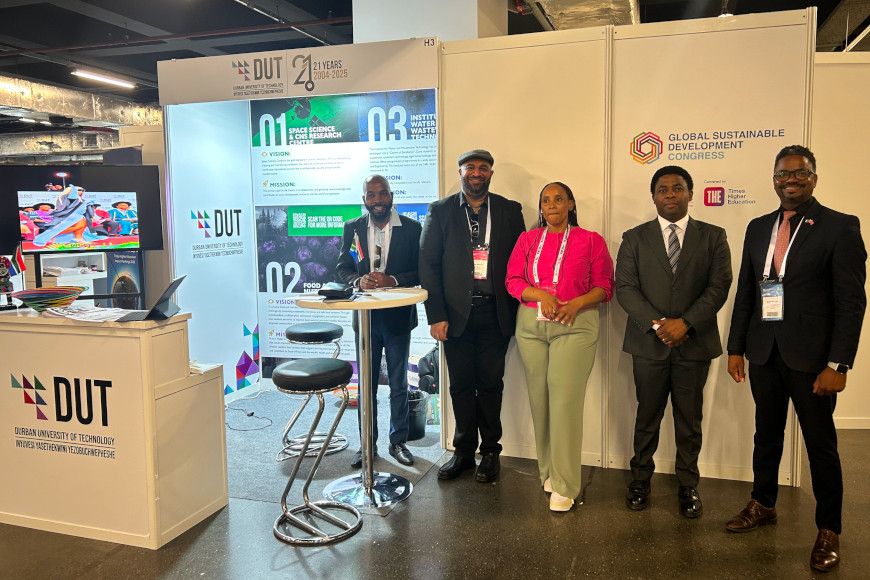
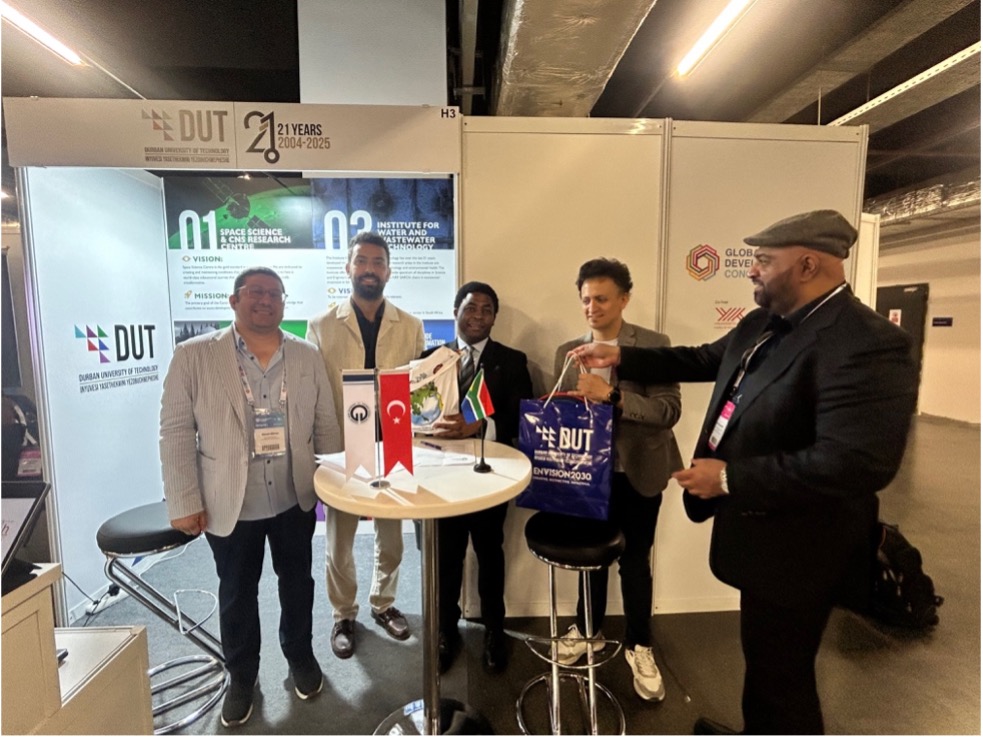
Durban University of Technology (DUT) has once again demonstrated its international leadership and commitment to sustainable development by participating as a partner and exhibitor in the Times Higher Education 2025 Global Sustainable Development Congress (GSDC), held in Istanbul, Turkey, from 16 to 19 June 2025. The congress served as a global platform for universities to forge partnerships, exchange knowledge, and advance the United Nations Sustainable Development Goals (SDGs). DUT’s delegation, led by Deputy Vice-Chancellor: Research, Innovation and Engagement, Professor Fulufhelo Nemavhola, included Acting Director: Research and Post Graduate Support, Dr Nomcebo Mthombeni; Director: Data Analytics: IT Support Services, Alex Mngenge; International Education and Partnerships Director, Dr Lavern Samuels; and International Education and Partnerships Manager, Dr Divinia Jithoo.


The GSDC provided DUT with a unique opportunity to strengthen collaborations with universities in Turkey and to expand south-south cooperation by networking with institutions from the Philippines, Morocco, China, Australia, India, Central Asia and the Middle East. These engagements are central to DUT’s ENVISION2030 strategy, which emphasises international engagement, research and curricular excellence through innovation, sustainable development and green ecosystems.


A significant outcome of DUT’s participation was the formalisation of new partnerships through the signing of Memoranda of Understanding (MOUs) with five leading universities:


  • Ibn Tofail University, Morocco
  • Universidad Tecnológica Empresarial de Guayaquil, Ecuador
  • Karadeniz Technical University, Turkey
  • Gedik Universitesi, Turkey
  • Gebze Teknik Universitesi, Turkey

These agreements will enable academic and research cooperation and will include staff and student mobility programmes, collaborative online international learning (COIL), research seminars, lecture series, and the internationalisation of DUT’s programme advisory boards. The MOUs also open the door for postgraduate joint degrees, further enhancing DUT’s global academic influence.


DUT signs and MOU with Karadeniz Teknik University: From left: Professor Hasan Olmez, DrUlas Kutsi Cezik, Professor Fulufhelo Nemavhola, Professor Yucel Bulut and Dr Lavern Samuels.


In addition to the agreements signed in Istanbul, DUT has initiated partnership engagements with 42 other universities. Notably, MOUs with institutions such as Kayseri University and Ondokuz Mayis University (Turkey), Visayas State University, Cavite State University, Central Philippine University and Marioano Marcos State University (Philippines), as well as Binus University (Indonesia), which will be formalised through online forums in the coming months. Specifically, DUT will foster cooperation with at least five universities in the Philippines.


During the congress, the DUT delegation also conducted strategic visits to KOC University, Gedik Universitesi, and Gebze Teknik Universitesi, all located in Istanbul. These on-site engagements provided an invaluable opportunity to move beyond initial discussions and begin activating tangible collaborations between DUT and its Turkish counterparts. The face-to-face meetings allowed for deeper exploration of mutual interests, the identification of specific areas for joint research, and the planning of staff and student mobility initiatives. By visiting these leading Istanbul-based universities, DUT has laid a strong foundation for ongoing academic exchange, collaborative projects, and the implementation of the newly signed MOUs, ensuring that partnerships move swiftly from agreement to action.


While DUT’s international footprint continues to expand, the university remains deeply committed to advancing intra-African academic collaboration. During the conference, DUT and the Namibia University of Science and Technology (NUST) had discussions to advance an already strong partnership, while identifying new specific areas of collaboration.


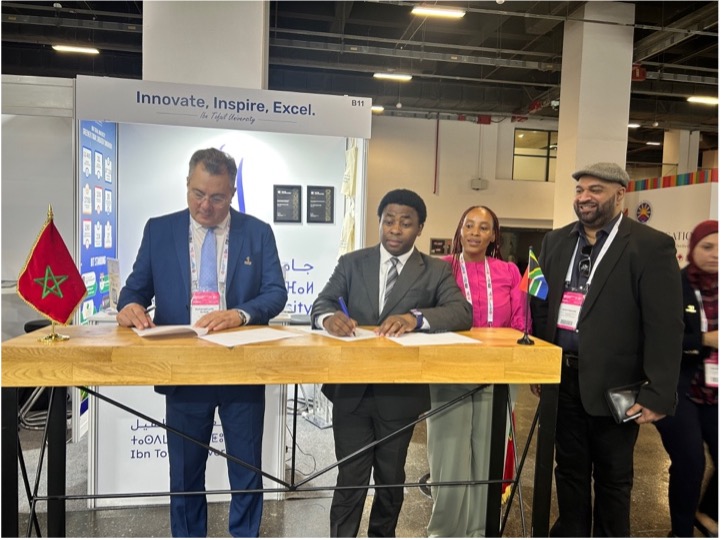
DUT signs an MOU with IBN Tofail University: From left: Prof. Mohamed Kerkeb. Professor Fulufhelo Nemavhola, Dr Nomcebo Mthombeni and Dr Lavern Samuels.


Building on this momentum, DUT and NUST have planned a series of upcoming visits. DUT will send a delegation to NUST for the opening of their Luderitz campus and NUST will reciprocate with a visit to DUT in July 2025, for the DUT International Week. These exchanges are set to further strengthen the strategic partnership. This intra-African cooperation is a key pillar of DUT’s internationalisation strategy, which prioritises African-led collaboration, innovation and research excellence.


At the GSDC, DUT also took the opportunity to promote the African Partnership Universities Alliance (APUA), a collaborative initiative that brings together leading African universities to advance Africa-centred internationalisation and strengthen research and innovation networks. APUA, which is led by DUT, is driving the development of sustainable, mutually beneficial partnerships that prioritise African knowledge systes and address local, continental and global challenges.


DUT’s participation in the Times Higher Education 2025 Global Sustainable Development Congress has yielded significant results with numerous opportunities for DUT faculties to engage in activities that help advance ENVISION2030. DUT is well-positioned to advance its core business through innovative curricular and research and contribute meaningfully to the achievement of the SDGs and future global sustainability.


Pictured: DUT at the Global Sustainability Development Congress in Istanbul Turkey. Left to Right: Mr Alex Mngenge, Dr Lavern Samuels, Dr Nomcebo Mthombeni, Professor Fulufhelo Nemavhola (Deputy Vice-Chancellor: Research, Innovation and Engagement) and Professor Colin Stanley (NUST).


By Lavern Samuels and Divinia Jithoo

https://www.dut.ac.za/dut-at-the-global-sustainable-development-congress/